It was a very chilly winter morning in the Indian state of Haryana in January 2023, when we visited a catfish aquaculture pond for the first time. A bit rattled as our car swayed to one side, the narrow kaccha dirt road was barely wide enough for a single vehicle. The driver of our car pulled to the side to let a bike pass, which was leaving from the pond.
Though it was already nearing noon, the cold cut through us to the bone as we alighted from the taxi and made our way to the farmer who had been expecting us. He greeted us warmly and offered us chairs with the characteristic hospitality of the region. One of the species of fish he was farming in his multiple ponds, he shared candidly, was a catfish species that had been banned from cultivation.
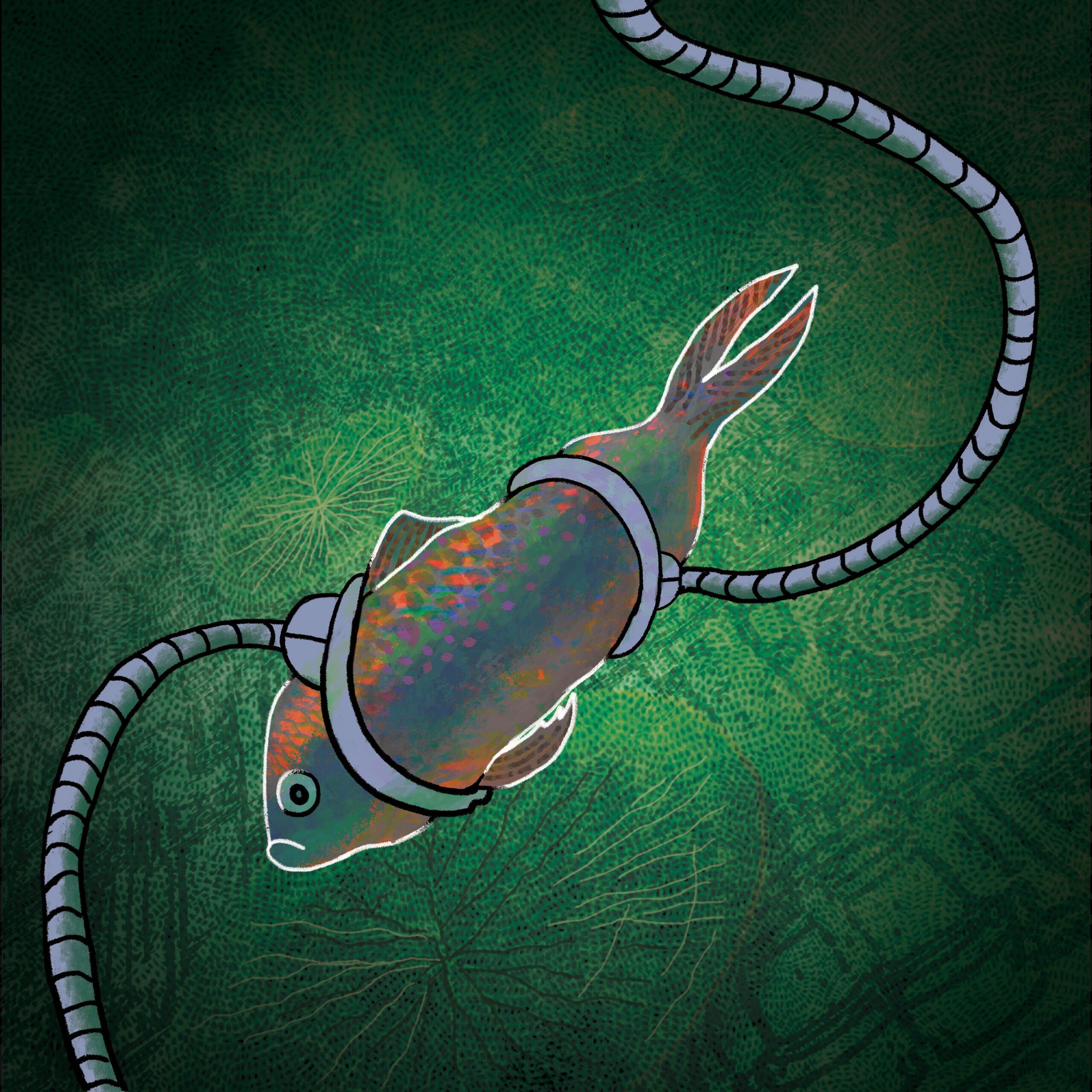
The pond appeared calm on the surface—a deceptive serenity that made us wonder about the fish crowded in heavy densities below. As the farmer spoke, he painted a grim picture of the challenges they faced: low dissolved oxygen levels, frequent outbreaks of disease, and the routine application of antibiotics to keep the fish from dying.
Fish from the genus Pangasius—a group of freshwater catfish native to South and Southeast Asia—are resilient, surviving even in conditions with low oxygen, tolerating high stocking densities, and exhibiting greater resistance to diseases compared to other farmed aquatic species. These traits made Pangasius farming more profitable, even under lower welfare conditions, compared to species needing a more careful consideration of animal welfare for promoting their wellbeing to prevent suffocation, disease, and death.
Our visit to the aquaculture pond was a detour from our original itinerary, which involved conducting fieldwork at poultry units to understand the environmental footprint of the egg industry. A startling statement from the egg production facility owners, about how they disposed of “chicken waste” caught our attention during our interviews.
Awful reality
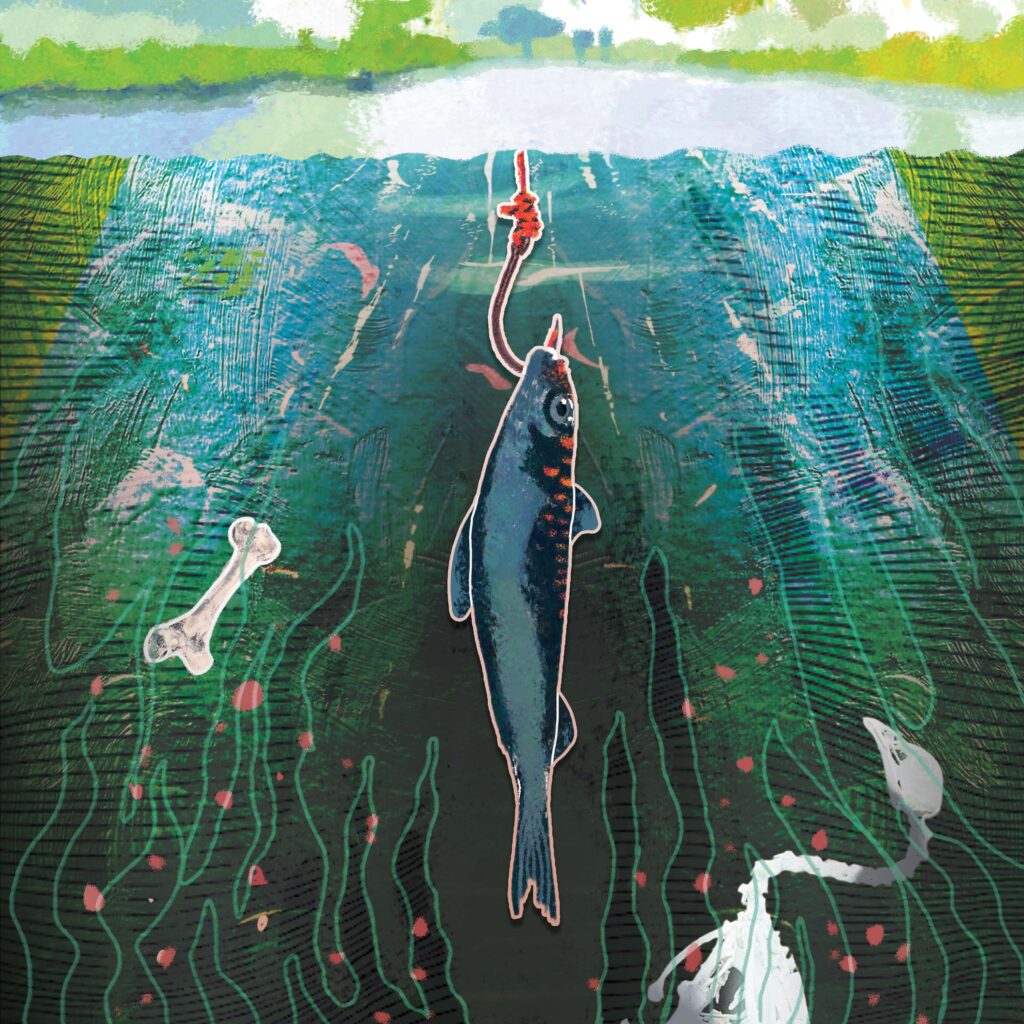
What they called ‘chicken waste’ is termed ‘chicken offal’, and refers to the internal organs of slaughtered birds and meat from birds deemed unfit for human consumption and discarded by the poultry industry. Poultry offal and other slaughterhouse wastes are routinely sold to the aquaculture industry as animal feed for omnivorous fish such as Pangasius and Roopchand (Chinese pomfret and Indian butterfish). This kind of untreated feed is found to contain unsafe levels of heavy metals such as mercury, arsenic, lead, and cadmium, as well as E. coli bacterial contamination.
The unsettling implications of this practice on public and environmental health lingered in our minds as we continued our fieldwork at poultry farms. With India as the world’s second largest aquaculture producer after China, the practices here carry far-reaching impacts—not just for food safety but also for broader global issues such as climate change and antimicrobial resistance. This visit reinforced the need to do scoping and speak to more aquaculture farmers, heeding the urgent call to understand these challenges with a legal or policy solution approach.
As we made our way back to the pond, we saw a farm worker return with a bag of hot samosas (a fried snack) on a bike, recognising him as the rider we had seen leaving just as we arrived. The duality we observed at the pond, tranquil on the surface and contaminated and choking under the surface, reflected how we felt—peaceful in our beautiful surroundings and the company of our friendly hosts, yet shaken and concerned for the environment and the farmers.
Our colleagues at the Fish Welfare Initiative observed a surprising trend during their work with farmers in Andhra Pradesh. While engaging with farmers rearing Indian major carp species such as Rohu and Catla (which are the dominantly farmed species), they discovered that in the last five years, a lot of farmers transitioned to farming catfish, particularly Pangasius (commonly known as Pangas or Basa).
Economic and other practical reasons drove this shift. One such farmer expressed concerns that Pangasius aquaculture might soon be banned by the government, owing to the illegal feeding practices that the farmers were following. Their fears stemmed from some other non-native species of catfish that had already been banned from being farmed in India. Yet, the farmers are constrained in means and are left with little choice but to cut corners, if they want to cut their losses. This dichotomy highlights the tension between the biological strengths of the Pangasius species and the economic vulnerabilities faced by the farmers.
Worrying trends
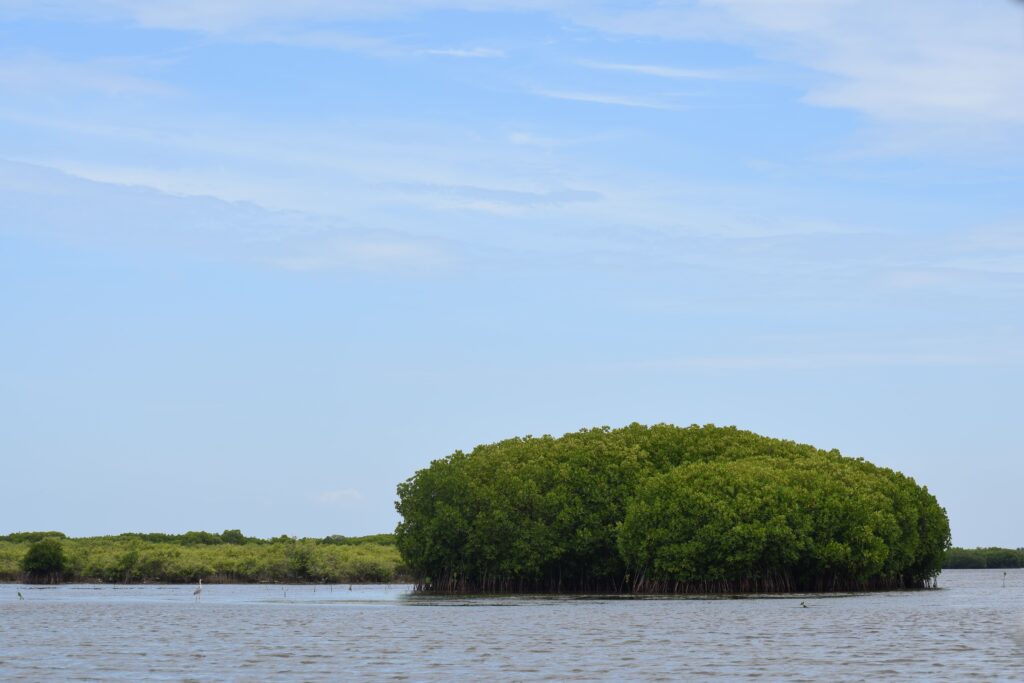
Our next visit to a catfish aquaculture pond took place in the sweltering heat of April, as we made our way to Kolleru Lake in Andhra Pradesh. The Animal Law Centre from NALSAR University of Law was carrying out a scoping study in collaboration with Ethical Seafood Research at this ecologically important wetland. This region, situated between the Krishna and Godavari river basins, is vital for ecosystem health. It is protected under the Ramsar Convention—an international treaty dedicated to the conservation and sustainable use of these critical ecosystems. There is also a designated Kolleru Wildlife Sanctuary which is protected under the Wildlife (Protection) Act, 1972.
Driving from the city of Eluru to the biodiverse wetlands of Kolleru, we witnessed a scale of production beyond our imagination. The road was lined with aquaculture ponds on either side, stretching into the horizon, a stark transformation of the landscape. Not only is the encroachment expanding, but also the scale of production. Rented heavy construction machinery is being used for harvesting fish at the pond site—a worrying trend for the water quality, animal welfare, and food safety standards for the consumers, causing the fish to suffer from injuries and high stress levels. It also indicates the level of intensification of these farming systems, at the cost of lives of animals and human health at large.
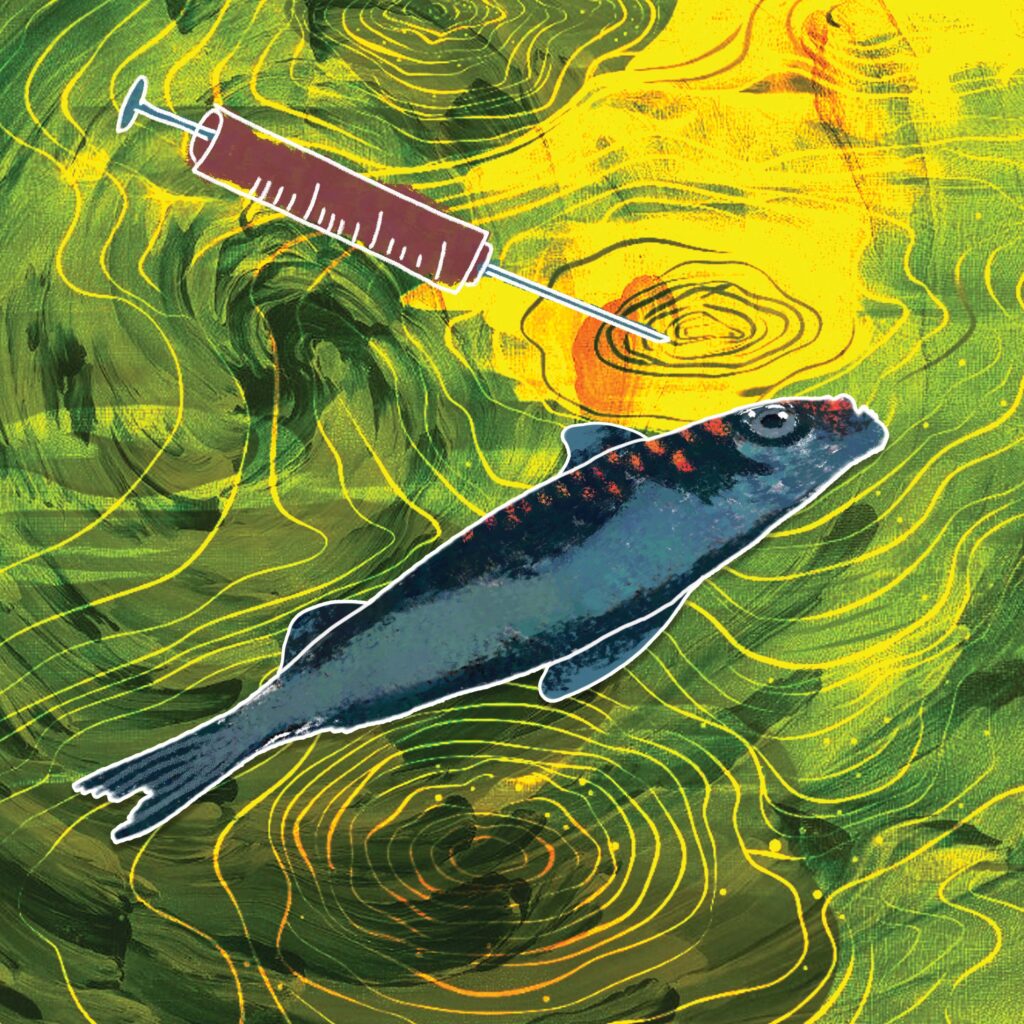
In addition to being a refuge for local wildlife, Kolleru Lake is a crucial stopover for migratory birds. We observed the regular use of biosecurity nets (also known as bird lines) to protect the fish in aquaculture ponds from being predated upon by the birds visiting the Kolleru wetland region.
With the support of a scientist from the Andhra Pradesh Fisheries Department and experts from the Fish Welfare Initiative, we identified six major clusters of villages in and around the Kolleru Ramsar site, where Pangasius farming has a higher footprint. We then interviewed 30 farmers who have been farming a species called Pangasius pangasius to better understand their practices and challenges.
Ripple effects
During our time in the field, we observed that the relationships among fish feed, disease, water treatment, and pond bottom soil conditions are influenced by many variables—even if they have weak correlations as individual factors. The cumulative effect of multiple small influences could lead to significant environmental stress. For example, even a 2–5 percent correlation between inferior feed such as poultry offal and other slaughterhouse wastes and the increased use of antibiotics can become significant when considered alongside other contributing factors.
More importantly, we observed the socio-economic factors that contributed to the prevalence of this harmful practice, which has been attracting policy attention for over a decade now, with several attempts to enforce the ban on using poultry offal as feed. That this practice continues to persist signals a deeper systemic issue.
The aquaculture production chain has little to no traceability in the mostly informal economy. The strings are often controlled by the traders and powerful middle men. In Pangasius aquaculture, it is possible to reduce costs by compromising fish welfare significantly without a corresponding increase in mortality rates. This makes Pangasius an appealing choice for aquaculture farmers, as compared to the dominantly farmed carp species, particularly Rohu and Catla. However, profitability and the likelihood of farmers shifting to this aquaculture is also incumbent on the market price of the species, set by the traders associations.
Economic losses during the COVID-19 period were said to be lower in Pangasius culture compared to carp culture in two of India’s largest aquaculture-producing states. However, when corners are cut, the costs are externalised on the fish, and the other human and non-human animals who depend on the wetlands.
Bioethics and policy
It may seem like an ethical dilemma between prioritising the interests of farmers’ livelihoods and protecting the welfare of animals and the environment, but in the long term, it is to the detriment of not just the farmers and the fish but all human and non-human individuals in the ecosystem (with the exception of market intermediaries).
Farmers care deeply about the welfare of their fish and the health of their ponds. With institutional support for better feeding practices, farmers will be eager to comply with the regulations. Moreover, there is a need for regulating and creating stringent protocols for certifying the drugs that the pharmaceutical industry supplies to Pangasius farmers. Currently, there are no quality control tests or any checks in place to ensure that the medicines are appropriate for the condition they are prescribed for.
Regulatory challenges in monitoring and enforcement exist due to the scale of the industry. However, unless the root cause is addressed and as long as farmers struggle to make their margins, the cross-border shadow supply chain of poultry offal across Telangana, Odisha, Tamil Nadu, and other coastal states will persist.
A shift from a siloed to an integrated approach such as One Health will go a long way. Parallely, increasing local institutional capacity and incentivising coordination between agencies—including Municipal Administration, Fisheries, Animal Husbandry, and Transport—is critical. Poultry, as a key industry stakeholder, must not be left out of the implementation roadmap. Public authorities checking compliance, including waste treatment and management at poultry facilities, can also be looped in.
During our fieldwork, we realised that the intensification of aquaculture and the resultant use of chicken offal as feed would become the focal point of our study. This harmful practice is at the heart of a broader biodiversity and food security crisis. What started as a study into aquaculture practices in a nationally and internationally protected wetland quickly demanded a closer look to unpack its downstream implications.
The influence of industry and political vested interests, along with the implementation challenges across a vast and unorganised sector, could be countered with satellite monitoring. Artificial intelligence and machine learning tools can help overcome barriers by enabling real-time, large-scale data collection. These technologies offer a cost effective and accurate way to monitor water quality and fish welfare parameters, thereby strengthening government oversight and supporting holistic and evidence-based policy implementation.
Further Reading:
Rao, K. M. 2015. Down to Earth. Kolleru Wildlife Sanctuary faces threats. https://www.downtoearth.org.in/environment/kolleru-wildlife-sanctuary-faces-threats-52211. Accessed March 28, 2025.
Srinivas, V. 2024. Deccan Herald. Police drive against dumping of chicken waste in Kolleru Lake. https://www.deccanchronicle.com/southern-states/andhra-pradesh/police-drive-against-dumping-of-chicken-waste-in-kolleru-lake-1832219. Accessed on March 28, 2025.