Communicating latest research concepts from both natural and social science facets of conservation.
2025Decvol 19
19.4
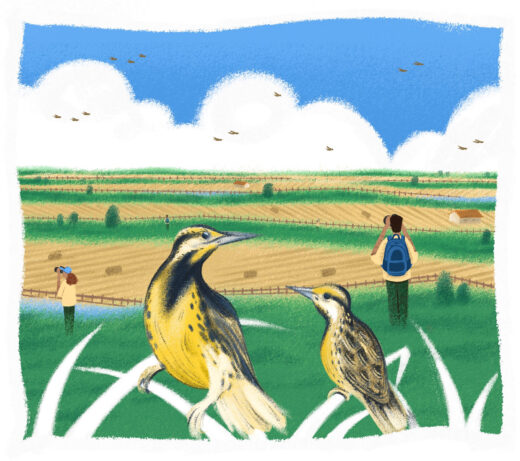
In 1950, only 20% of the entire human population lived in urban areas. Today cities are home to 45% of the world’s 8.2 billion people. But what about their non-human residents? A global analysis of six faunal groups (including bats, birds and reptiles) across hundreds of cities found that species that are mobile, generalist, and able to exploit human‑altered resources are more common, whereas others decline. This theme of loss, but also of hope, threads through the latest edition of Current Conservation.
In 1950, only 20% of the entire human population lived in urban areas. Today cities are home to 45% of the world’s 8.2 billion people. But what about their non-human residents? A global analysis of six faunal groups (including bats, birds and reptiles) across hundreds of cities found that species that are mobile, generalist, and able to exploit human‑altered resources are more common, whereas others decline. This theme of loss, but also of hope, threads through the latest edition of Current Conservation.
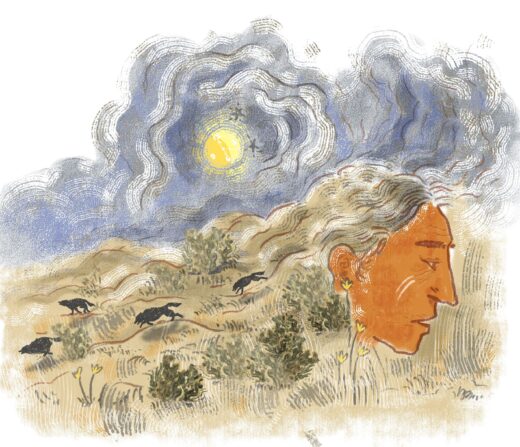
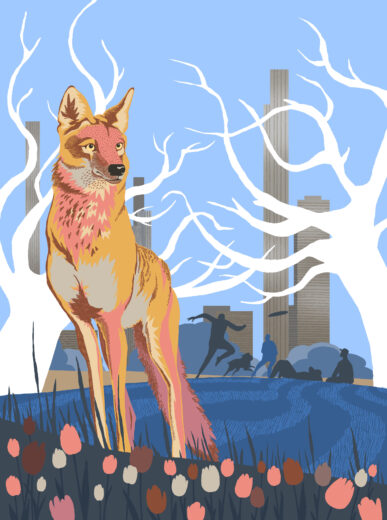
Priyanka Borah’s piece on Assamese oral traditions demonstrates how, as xiyal (jackals) vanish from places they previously occupied across India, so do the stories—and ecological knowledge and cultural values—associated with them. Our feature story by Liana Knipe similarly grieves the loss of natural landscapes to rapid urbanisation, but shows how a village in Hampshire, England, is turning despair into action. Meanwhile, coyotes have made a few big cities in the US their home, thus offering lessons on sharing space in a changing world.
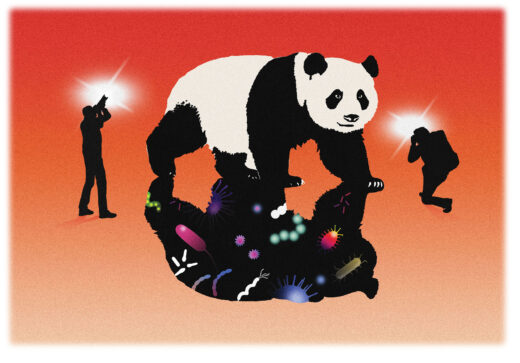
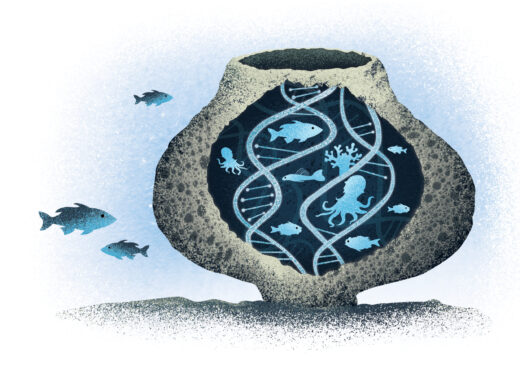
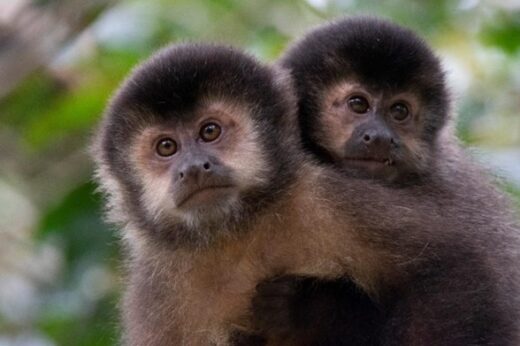
In her article on soil microbes, Kristin Huizinga draws our attention to these overlooked organisms below our feet that are essential for the functioning of entire ecosystems. And our expanded Research in Translation section features everything from deep-sea sponges to capuchin monkeys and amphibians. We hope you enjoy this issue!