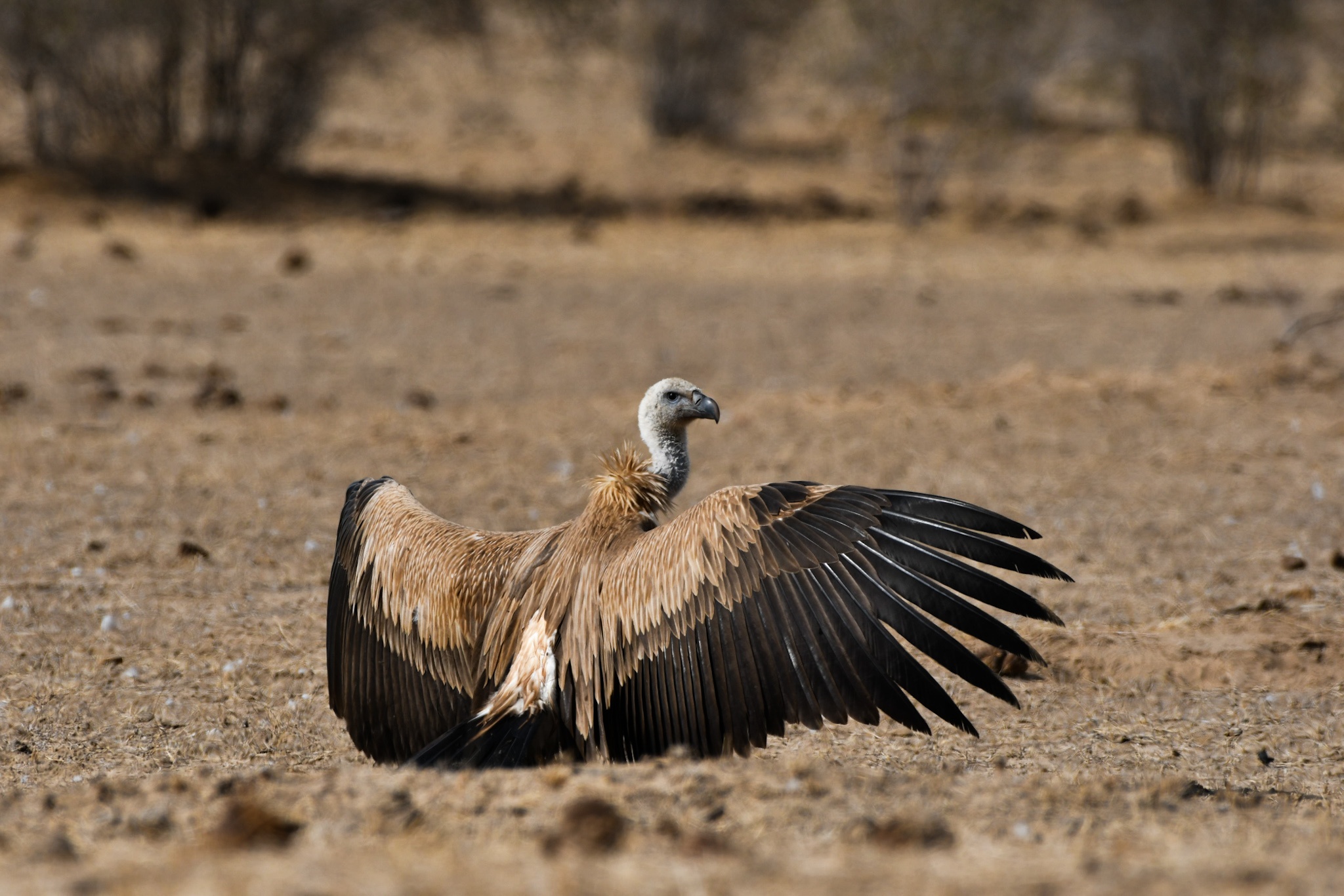
Feature image: Eurasian Griffon (Gyps fulvus)
While travelling to Jaipur, India, by road between 1990–95, one would see a number of vultures along the way, cleaning the carrion of dead animals killed by the cars and trucks. With approximately 300 million cattle in the country, the vultures played a major role in removing the carcasses of dead livestock. But unfortunately, by the start of the 20th century, the populations of these scavengers had plummeted alarmingly.
Studies finally narrowed down the cause of the decline to the veterinary drug diclofenac. Used as an anti-inflammatory drug for the cattle, it was found that it caused kidney failure in the vultures. While diclofenac was eventually banned in India, the damage had been done.
As the scavengers disappeared, many carcasses were left to rot, becoming a serious threat to human health. The government started to review the remaining population of vultures and started a captive breeding programme. The Jorbeer Conservation Reserve was set up in Bikaner, Rajasthan. An area of about 25 square kilometres, it was selected as a location where animal carcasses could be dropped off.
Cattle, including cows, buffaloes, and even camels are collected from city areas, the innards removed to prevent any risk to the vultures, and then dumped in the reserve area. Contractors take the skin and the bones for commercial use, thus covering the cost of animal collection and disposal. The rest is left for the scavengers.
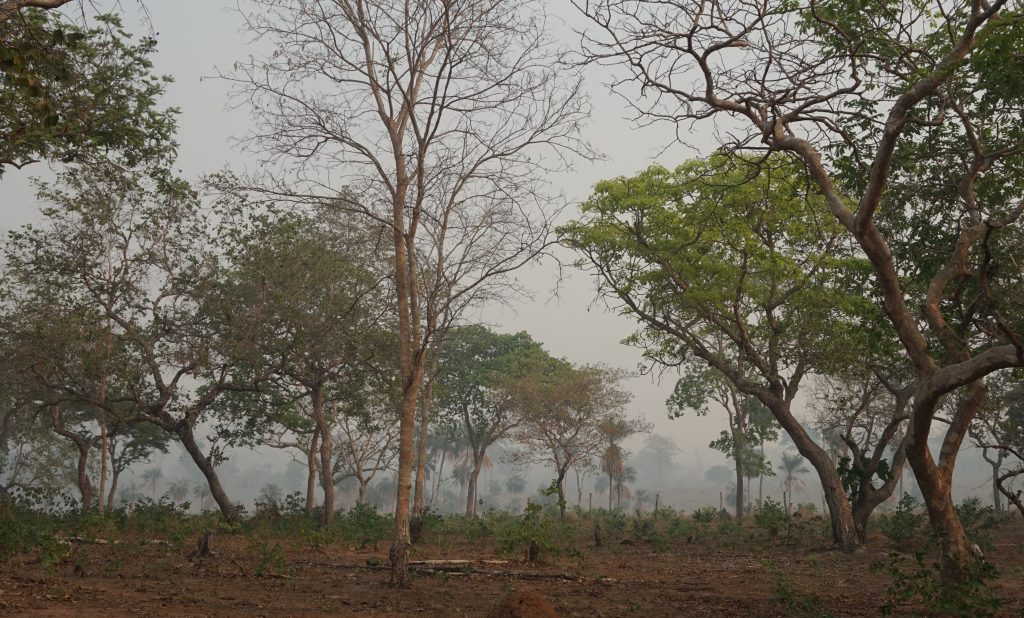
The park is home to vast open areas, dry desert sand dotted with trees that are bare or have sparse foliage. Driving on the main dirt road, one has to be careful to avoid going off the path, so as not to get trapped in burrows dug by dogs. It is a bleak landscape that reeks of death, and as you get closer to the carcasses, bears a strong odour. But for those who can overcome it, the sight is one unlike anything else.
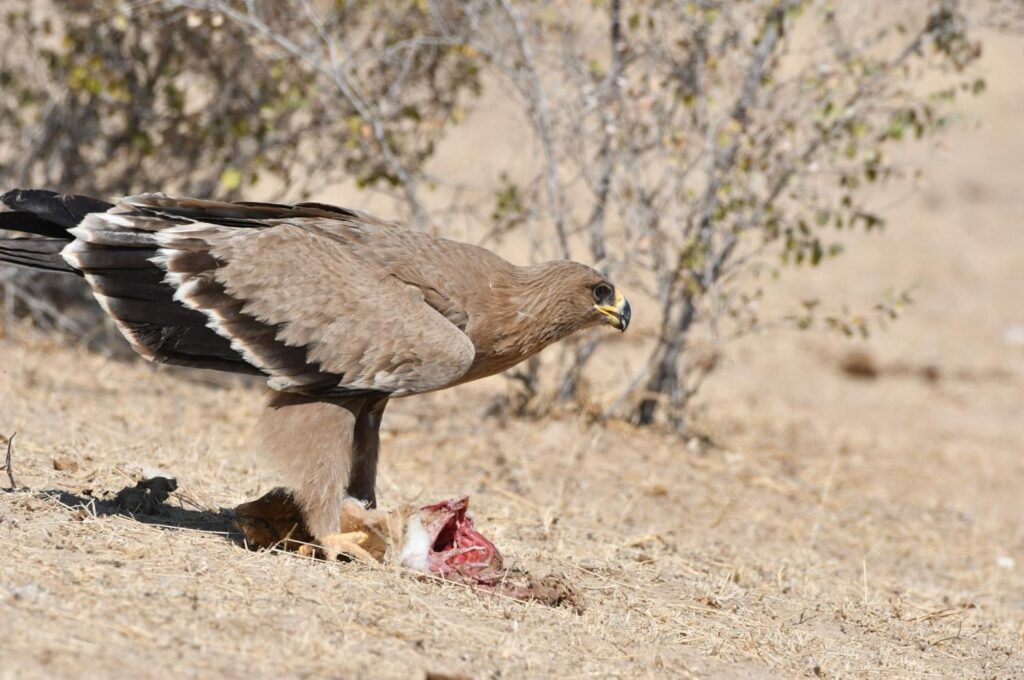
Thousands of vultures cover the ground and sky. Some are perched on trees, not 10 feet away from you, while some circle in the thermals above or sit feeding on piles of flesh and bones. Everywhere you look, there are species that are rarely spotted elsewhere in the country. Some of the species I have observed on site include the Eurasian and Himalayan griffons, Egyptian and cinereous vultures, steppe, tawny, imperial, and white-tailed eagles, and black kites. I was also lucky enough to see the rare yellow-eyed pigeon!
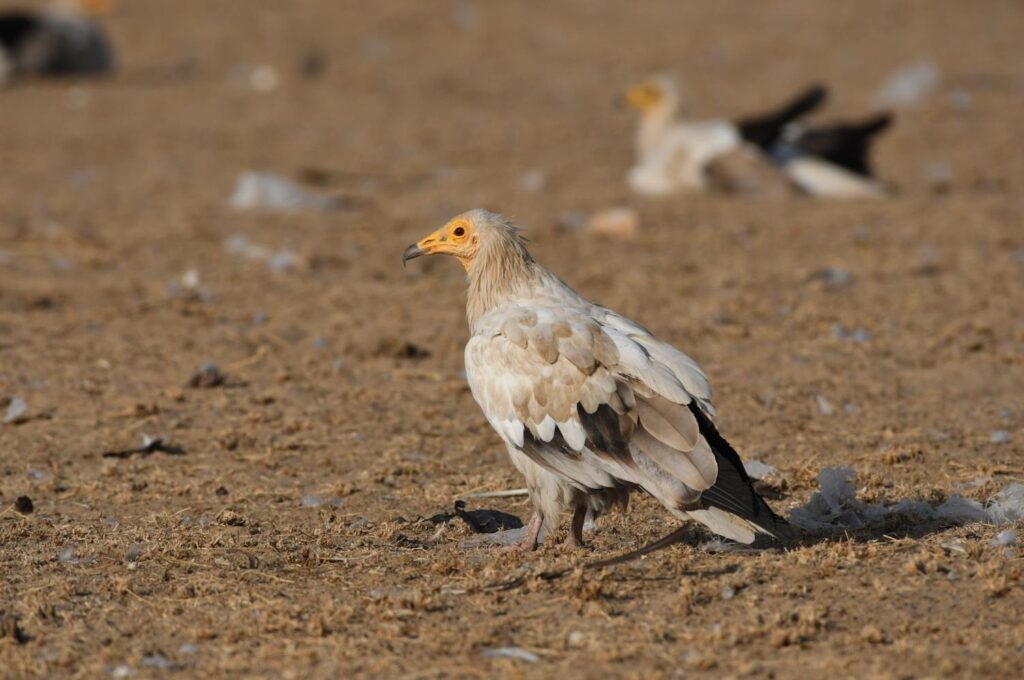
Developed as a feeding ground, the Jorbeer Conservation Reserve has become a sanctuary for endangered raptors. The consistent supply of food attracts scavengers from all over the world, some migrating from Mongolia, Kyrgyzstan, and other parts of Central Asia. With the animal carcasses safely consumed, the spread of zoonotic diseases to other wildlife and humans is prevented.
A haven for birds and for birdwatchers like myself, it’s paradise!