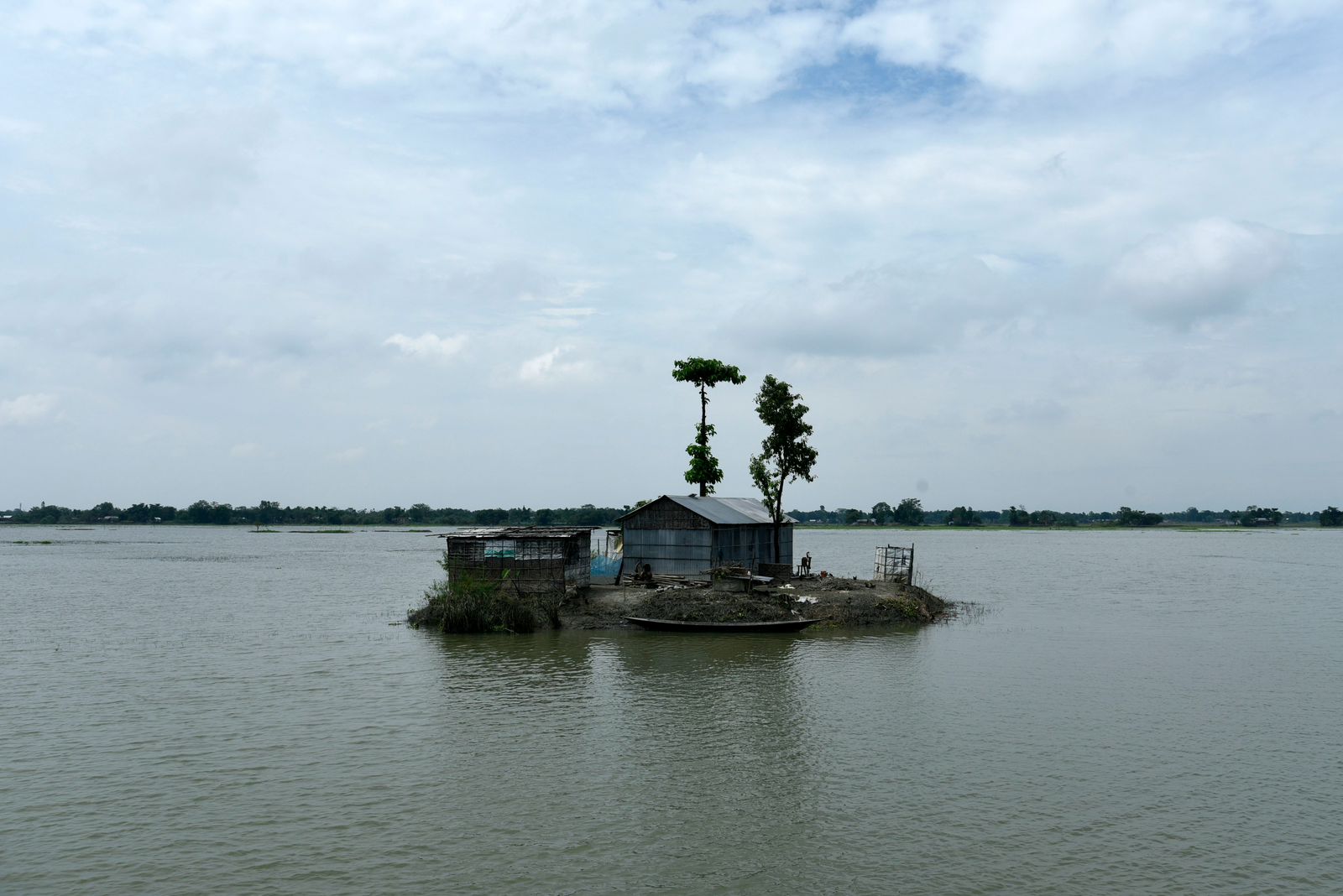
Feature image: House surrounded by water in Barpeta, Assam (Photo credit: Vincenzo Cassano/ Unsplash)
As climate change alters our landscapes, it’s becoming increasingly difficult to ignore the emotional toll on our communities. Across India, average temperatures have risen by 0.7°C between 1901 and 2018, rainfall is up by over 75 percent since the 1950s, and groundwater is being rapidly depleted. The Internal Displacement Monitoring Centre estimates that in 2024, floods, storms, and other climate-related disasters forced 5.4 million people to relocate within India. The impact of such loss goes beyond material or ecological damage, giving rise to a sense of psychological disorientation called solastalgia.
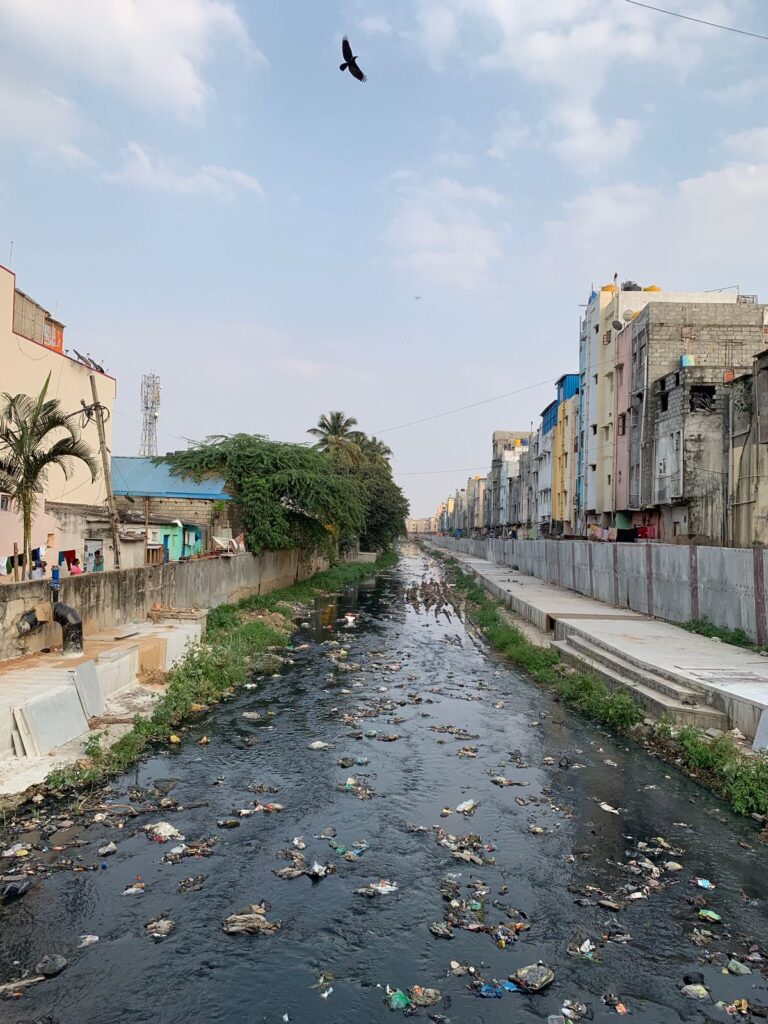
During my field visits to migrant communities on the fringes of Bangalore, I witnessed the human face of this invisible trauma. One encounter stayed with me—a young girl, her voice soft but steady, said: “Back home, the farmlands I ran in began to die from the heat. That made me sad. But I don’t like this place either—it’s not home.”
She and her family hailed from northern Karnataka, where heatwaves and water scarcity have destroyed farmlands. Here in the city, they live in makeshift huts, surrounded by concrete and dust, disconnected from the soil that once sustained them. Their story, like many others, reflects not only the struggle against climate change but also the grief over the fading way of life.
The term solastalgia was coined by the Australian philosopher Glenn Albrecht in 2003 to describe a sense of distress people feel when their home environment is altered beyond recognition. Unlike nostalgia—which is the longing to return to a place that no longer exists—solastalgia is the longing for a home that is still there but has been rendered unrecognisable. It is about a particular type of loss that comes not from moving away but from watching the slow decline of one’s world. Although it’s being increasingly discussed within academic circles, it’s not receiving its due in Indian policy and public discourse.
Solastalgia in the Indian context
A 2021 study by researchers from the Central University of South Bihar and the University of Allahabad surveyed 34 villagers in Gaya and Jehanabad, in the southern part of the state. They reported frequent heatwaves, erratic rainfall, delayed monsoons, dried-up water sources, and the disappearance of birds and trees, disrupting agricultural calendars—the seasonal patterns that guide planting and harvesting, as well as community practices. Participants described deep “worries and uncertainties” as they were forced to abandon traditional cropping, eroding their sense of self worth and belonging.
In Hingalganj—a vulnerable deltaic area of the Indian Sundarbans, part of the world’s largest contiguous mangrove forest—a 2022 study by Action Aid Association and the Professional Institute for Development and Socio-Environmental Management found that frequent cyclones, rising salinity, and repeated displacement have caused visible psychological distress among residents. The report revealed growing anxiety over food insecurity, erosion, embankment failures, and the loss of agricultural livelihoods. These stressors have contributed to mounting psychological pressure, particularly among women, who now bear the triple burden of earning an income, caring for children and elders, and managing disrupted households.
Alarmingly, the report also reveals cases of emotional trauma that have escalated into self-harm. Residents spoke of recurring emotional pain linked to the sudden deaths of loved ones, crop failures, and economic instability. For many, the trauma following Cyclone Aila in 2009 marked a breaking point, pushing them into cycles of hopelessness, indebtedness, and in some cases, suicidal ideation. While medical infrastructure in the area is limited, anecdotal evidence gathered during field interviews suggests a rise in untreated anxiety, insomnia, and psychosomatic conditions. The study called for urgent mental health interventions, integrated with climate resilience programmes, to support affected communities.
In the Nilgiris region of the Western Ghats—including Sathyamangalam, Masinagudi, and Wayanad—elephant corridors are being developed to mitigate the rising human-elephant conflict, which has been exacerbated by climate change, as forests dry and animals stray into villages. These corridors have displaced over 12,000 people, including hundreds of tribal families from communities like the Irula, Kurumba, and Mullu Kurumba. During my field visit to the Sathyamangalam Tiger Reserve, a Forest Officer explained that “no amount of monetary support could ever truly compensate for the loss of their land”. For many, this loss is not merely physical but also psychological, severing ties to home, heritage, and identity.
Meanwhile, a looming crisis is unfolding in the Nicobar Islands, where plans to build an airport, port, and townships on Great Nicobar threaten to uproot the isolated Indigenous Shompen and Nicobarese tribes, who have had little outside contact. Though yet to occur, experts and human rights advocates warn of catastrophic consequences: destruction of mangroves, disruption of turtle nesting beaches, and a rise in solastalgia.
Across the world
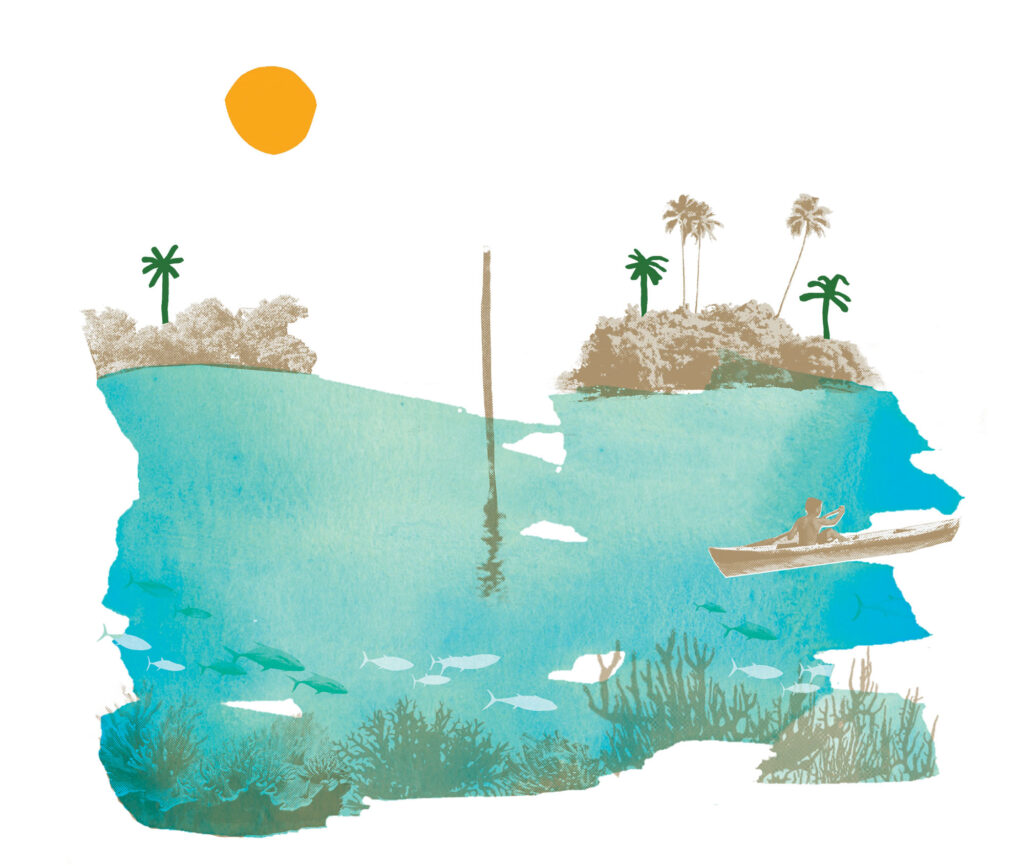
Studies from the Pacific show that when isolated communities are uprooted or their environments eroded, solastalgia can appear long before relocation can take place, as fear, distress, and anticipatory grief. Research from the James Cook University of Queensland on Erub Island in the Torres Strait found that residents already expressed sadness, worry, and a loss of belonging as coastlines disappeared. A more recent collaborative study led by the UNSW Sydney (School of Psychology) in Australia and New Zealand described this as ‘anticipatory solastalgia’—the psychological distress people feel in the present while anticipating environmental decline. Breaking such intimate bonds with land is often tantamount to destroying identity.
International research increasingly recognises the significant psychological impacts associated with solastalgia. In Australia—where the term was first coined—several studies, particularly involving farmers and Aboriginal communities, have shown a strong correlation between environmental change and mental distress. A national scoping review of 18 such studies confirmed widespread experiences of anxiety, depression, and a deep sense of loss tied to environmental degradation. Australia is also among the few countries where solastalgia has entered public health and climate adaptation conversations, though its inclusion in formal mental health services remains limited and uneven across regions. Communities with strong cultural ties to land are especially vulnerable to such distress, but they also demonstrate greater resilience when given culturally grounded mental health support.
During the 2019–20 Australian bushfires, surveys of over 2,000 residents found solastalgia strongly mediated the link between fire impact and mental health outcomes such as anxiety and depression, and even people geographically distant from the fires reported distress. Australian policymakers now advocate pre‑emptive, land‑based therapy, community mental health hubs, and cultural engagement to address solastalgia. After the fires, the National Centre for Epidemiology and Population Health called for a broad rollout of mental health resources in rural areas to counteract solastalgia.
In Canada and the United States, post-wildfire mental health research has increasingly identified solastalgia as a key factor contributing to rising cases of post-traumatic stress disorder (PTSD), depression, and anxiety. Communities affected by severe wildfires often report a negative psychological experience, not just from the immediate trauma of evacuation and loss, but from the long-term grief of seeing familiar landscapes permanently altered or destroyed. In response, mitigation strategies have included a combination of family-based therapy, government-provided financial aid, and community-centred recovery initiatives that help restore a sense of stability and agency.
In Canada’s northern territory of Nunavut, where Indigenous Inuit communities face the compounded effects of climate change, these frameworks go further. Here, mental health programmes are being adapted to address “country food insecurity”—the decline in access to traditional hunting and fishing resources due to melting ice and disrupted ecosystems. Counselling services are paired with cultural revitalisation efforts, such as land-based healing, community feasts, and intergenerational storytelling, helping individuals not only process their grief but also reconnect with identity and tradition.
How India can learn—and lead
India has only a handful of studies on climate change and mental health, and most are not widely known. A 2025 scoping review by psychiatrists in Kerala, published in The Primary Care Companion for CNS Disorders, analysed 12 Indian studies and concluded that research on climate anxiety and solastalgia remains sparse. Globally, a 2024 review in BMJ Mental Health confirmed that solastalgia is linked with higher rates of depression, anxiety, and PTSD —but also highlighted that most existing studies are observational and too few to establish causality. These gaps show why India urgently needs systematic, long-term monitoring in regions like drought-prone Karnataka, the flood-affected Sunderbans, and the fragile Nicobar Islands.
Policy gaps are equally stark. Environmental Clearances (ECs) evaluate ecological impacts, while Social Impact Assessments (SIAs) under the RECTLARR Act (2013) examine livelihoods and resettlements. In principle, both could incorporate psychosocial assessments, but documented cases in India are extremely limited, whether due to a lack of transparency in reports or simply because mental health has never been prioritised in these processes. This silence leaves a critical gap: while homes, land, and compensation are measured, the psychological distress of displacement is not.
One way forward is Health Impact Assessments (HIAs), which the WHO recommends for evaluating health, including the mental health consequences of projects. Integrating HIAs within ECs and SIAs could help identify psychosocial risks such as solastalgia. As emphasised by Dua and Acharya (2014), very few Indian projects, such as Sardar Sarovar and Bargi Dam developments, have used HIAs, and most were not embedded within formal EC or SIA processes. The study highlights that making HIA integration mandatory and coordinating it through intersectoral policy support, legislative backing, and public health capacity building could be an effective approach.
Building on this gap, India’s existing health policies and programmes could provide an institutional foundation for integrating mental health safeguards into climate responses. According to the Indian Journal of Psychiatry in 2024, the District Mental Health Programme now covers 767 districts, making it a cornerstone for counselling and outreach in rural and disaster-affected areas. The National Tele-Mental Health Programme (Tele-MANAS), launched by the Ministry of Health and Family Welfare in 2022, expands this reach through 24×7 toll-free services and state-linked call centres, ensuring access for remote populations.
Moreover, India’s health and disaster management frameworks also have potential entry points for addressing solastalgia. For instance, the National Disaster Management Authority’s 2023 Guidelines on Mental Health and Psychosocial Support in Disasters could be expanded to include slow-onset crises, such as droughts and coastal erosion, beyond sudden events. Likewise, health sector programmes such as Ayushman Bharat Health and Wellness Centres embed mental health screening and referrals into primary care, offering an institutional base for long-term psychological support in vulnerable regions
For Indigenous and rural communities, culturally grounded measures are key. Canada’s Inuit country food programmes illustrate how protecting traditions preserves identity and reduces grief. In India, broader efforts toward cultural preservation—such as the Ministry of Tribal Affairs’ support for local festivals and Tribal Research Institutes, as well as state initiatives in Tripura and Ladakh to promote cultural hubs and festivals—could be meaningfully expanded to help communities stay connected to their environment. Drawing on traditional knowledge and shared rituals, such programmes could offer grounding against the disorientation of solasalgia.
If India’s climate policy is to be truly just, it cannot limit itself to counting trees or compensating land; it must also protect minds and identities. Anticipating solastalgia and embedding psychosocial safeguards into environmental, health, and resettlement frameworks is not symbolic; it is a necessary act of climate resilience and responsible governance.
Further Reading
Acharya, A. and B. Dua. 2014. Health impact assessment: Need and future scope in India. Indian Journal of Community Medicine 39(2): 76. https://doi.org/10.4103/0970-0218.132719.
Bogard, P. 2023. Solastalgia: An Anthology of Emotion in a Disappearing World. Charlottesville: University of Virginia Press.
Rafa, N., A. Zabala and L.P. Galway. 2025. Empirical research review on solastalgia: Place, people and policy pathways for addressing environmental distress. People and Nature 7(8): 1811–25. https://doi.org/10.1002/pan3.70090.
Yamini, T., T. Sarkar and A. Joshi. 2024. Climate stress and migration in India: An exploratory study of environmental changes on population movement. Journal of Informatics Education and Research 4(3): 3559–65.