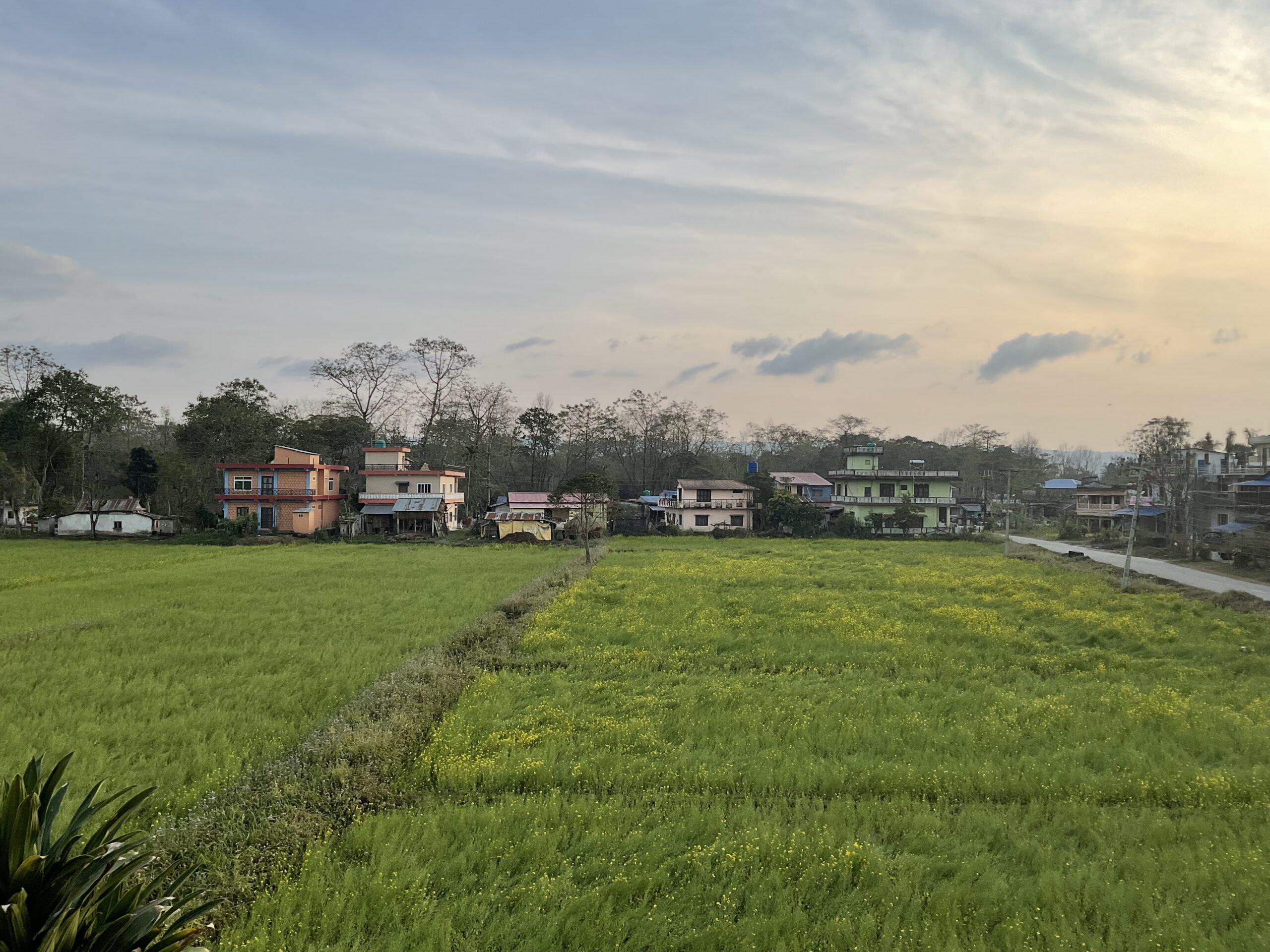
Feature image: Mustard fields and human settlements in the Mrigakunja buffer zone of Chitwan National Park
Globally, wildlife is becoming increasingly habituated to human-dominated landscapes. But what about the humans living in these shared habitats? Do they have preferences that could enhance their ability to cope with dangerous wildlife in their backyards?
In the buffer zone of Nepal’s oldest national park, families wake up every morning not knowing if elephants have trampled their crops overnight or if a leopard has killed their livestock. Despite bearing the costs of living alongside large, charismatic animals, these communities show a remarkable willingness to embrace change, if current coexistence strategies match their actual needs and preferences.
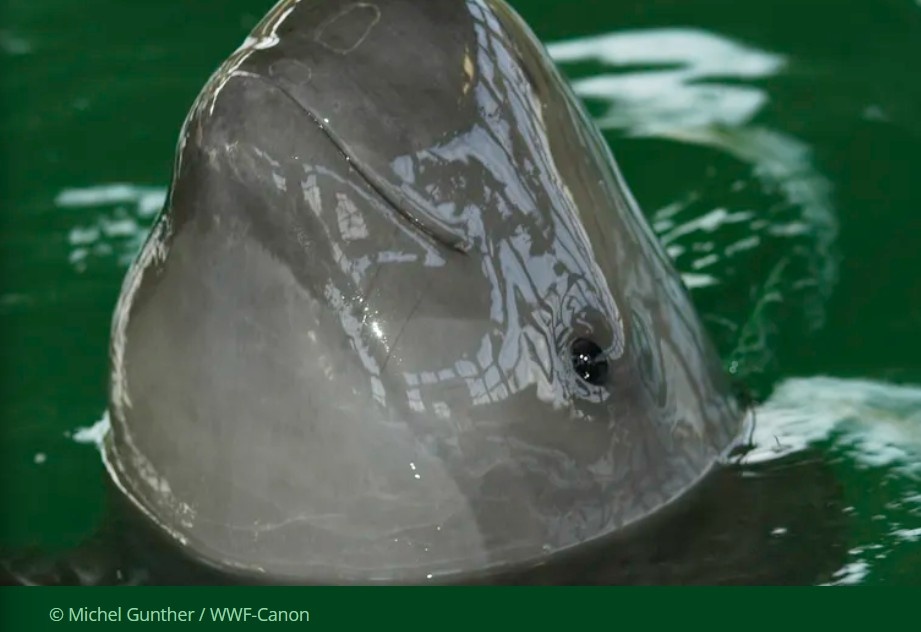
Chitwan National Park is home to the world’s second-largest population of greater one-horned rhinoceros. It also harbours globally threatened terrestrial and aquatic wildlife that includes tigers, elephants, gharials, and Ganges river dolphins. Most of Chitwan’s human residents are farmers who primarily grow subsistence crops and rear livestock. Species such as elephants and rhinoceros are attracted to these crops, while tigers and leopards prey on livestock—with both causing direct economic losses that affect farmers’ wellbeing.
The park’s buffer zone is divided into four administrative sectors: Kasara, Sauraha, Madi, and Amaltari. Although local and international tourists flock to Chitwan to see iconic wildlife, tourism income has been concentrated in Sauraha, leaving communities in the other sectors with restricted economic opportunities to diversify their income sources.
Through collaborative efforts between the park, local communities, and the Nepalese army, wildlife populations are making a remarkable comeback. So Chitwan represents both a conservation success story and a human-wildlife conflict hotspot. The buffer zone, which was created in 1996 to make forest products available to local communities and provide additional wildlife habitat, has experienced increased conflict. Enhancing the communities’ capacity to coexist with wildlife could benefit both groups in the long term.
Listening to local voices
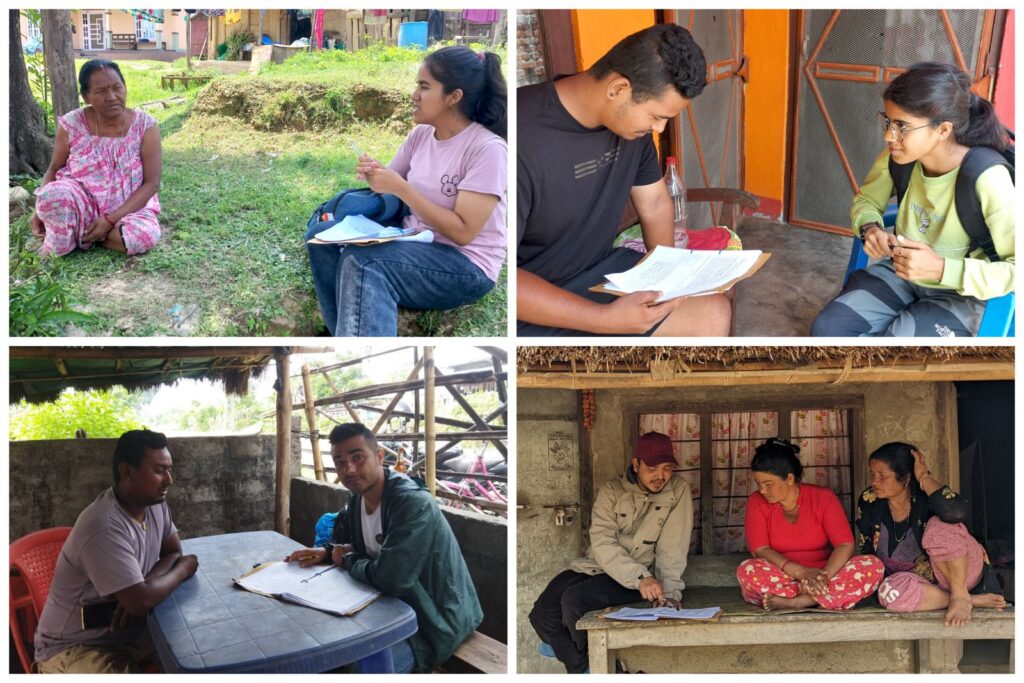
In our study, we presented residents living across all sectors of the buffer zone with different scenarios and asked them to choose between various strategies designed to enhance their ability to coexist with wildlife. Communities overwhelmingly favoured grassroots-level awareness programmes, reflecting their desire to learn about wildlife behaviour and acquire skills to mitigate conflicts. They also preferred sustainable economic opportunities, demonstrating that additional income to compensate wildlife-related losses is paramount to sustaining their livelihoods.
More importantly, they chose to combine traditional knowledge with scientific approaches rather than abandon ancestral wisdom for modern technology. Chitwan is home to numerous Indigenous communities such as Tharu, Bote, Darai, and Majhi peoples, who inhabited the area before the park’s establishment. Combining their local ecological knowledge with modern scientific approaches could significantly enhance adaptability. Additionally, these communities favoured rapid response teams, trained to deal with incidents of human-wildlife conflict. This would be valuable across all four sectors, which experience high rates of conflict.
Beyond one-size-fits-all
Our research revealed noteworthy differences in preferred coexistence strategies between social groups. Indigenous communities had substantially stronger preferences compared to other residents, reflecting their urgent need for more equitable coexistence strategies. Similarly, more educated respondents strongly preferred change, suggesting their desire for co-adaption.
Our research highlights that coexistence strategies cannot follow a one-size-fits-all approach, but must be context-specific and adapted to address diverse community needs. This will generate co-benefits for different communities sharing space and resources with wildlife.
As shared landscapes expand globally, understanding and implementing community preferences that are culturally relevant becomes essential. The residents of Chitwan’s buffer zone demonstrate that successful coexistence requires more than managing conflict, it demands building local adaptive capacity for people and wildlife to thrive together in shared spaces.
Further Reading:
Ferdin, A.E.J., A. Pathak., M. Kamaludin., B. R. Lamichhane., S. K Shah., U. C. Aryal and N. Baskaran. 2025. Understanding residents’ preferences for adaptive capacity in human-wildlife coexistence: a case study from Nepal’s biodiversity hotspot. European Journal of Wildlife Research 71: 91. https://doi.org/10.1007/s10344-025-01963-y.
(The open access version of the paper can be accessed here: https://rdcu.be/ezNLQ)