Editor’s note: A version of this photo essay was originally published in Planted and can be found at this link.
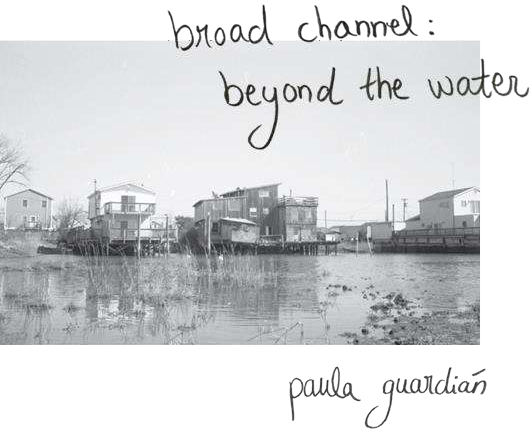
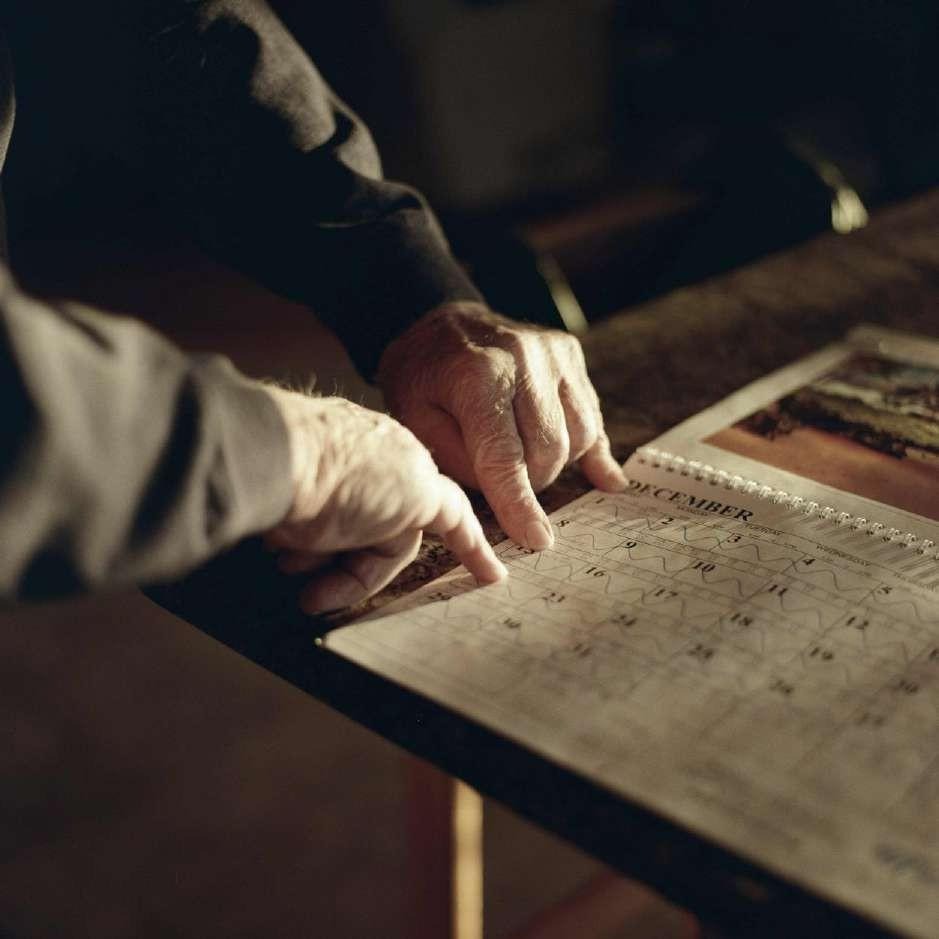
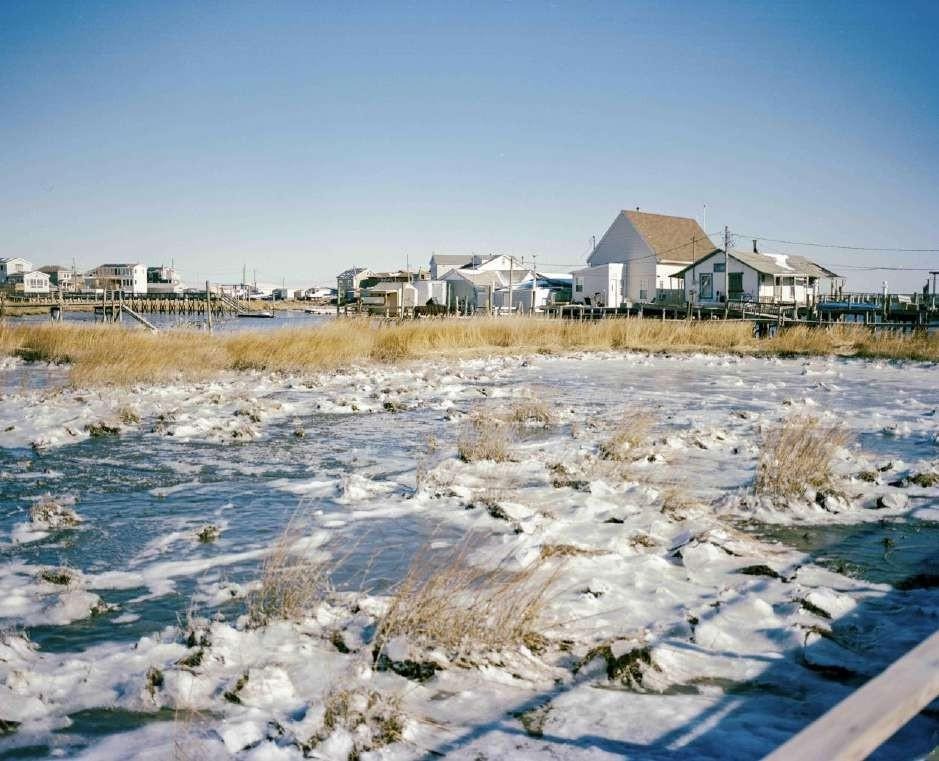
On the island of Broad Channel, New York, all stories begin with the water: boats sit parked on the streets like cars, calendars follow the moon to track the tides, and children sometimes paddle to school by kayak. In this ongoing documentary project—set in a town barely 20 blocks long and four blocks wide—I trace how a deep-rooted seaside community lives at the edge of climate change.
According to current projections, more than 95 percent of Broad Channel’s properties will face severe flooding within the next 30 years. Much of the island will disappear. This project seeks not only to document how residents coexist with the water, but also to build a living archive of a vanishing way of life: houses, docks, flood lines, objects, and gestures that may soon be gone.
Broad Channel is the only inhabited island in Jamaica Bay, New York City. Just a few subway stops from Manhattan, it feels like another world: a tight-knit community of roughly 3,000 residents, many of whom trace their roots back five generations or more.
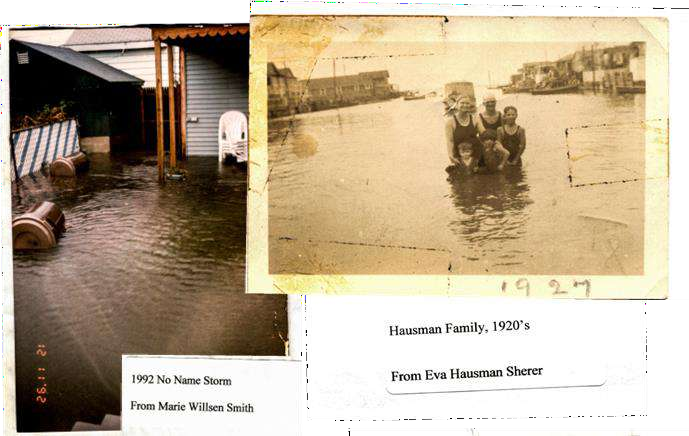
From the late 19th century, residents have shaped the island in constant conversation with the bay: dredging channels, building boardwalks, elevating homes, and creating docks carved through marshland. Photographs in local archives show streets under water in the 1800s.
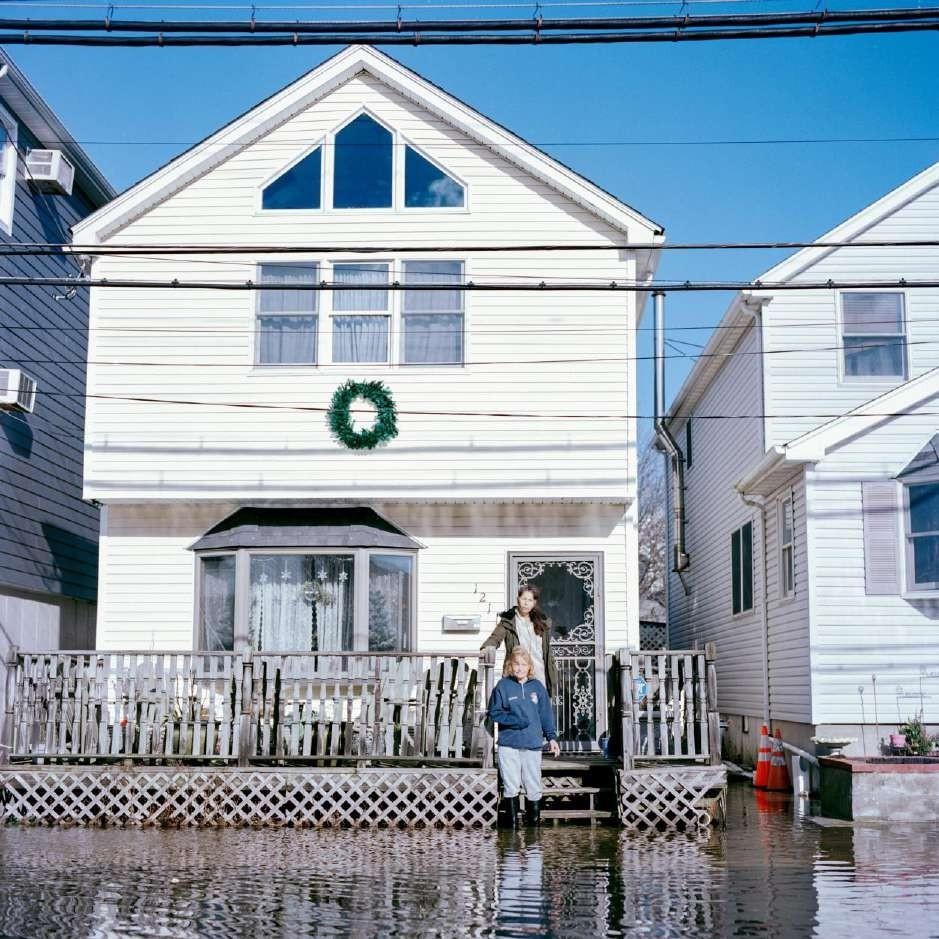
In 2012, Hurricane Sandy made this reality unmistakable: water surged into homes with 8–10 feet of force. The island lost electricity, heat, and access to the city. Residents relied on one another—organising rescues, sharing generators, opening homes. Karen, a longtime resident, recalls trading eggs for propane, exchanging whatever small resources were available just to stay warm and fed. In the absence of infrastructure, mutual care became the island’s strongest defence.
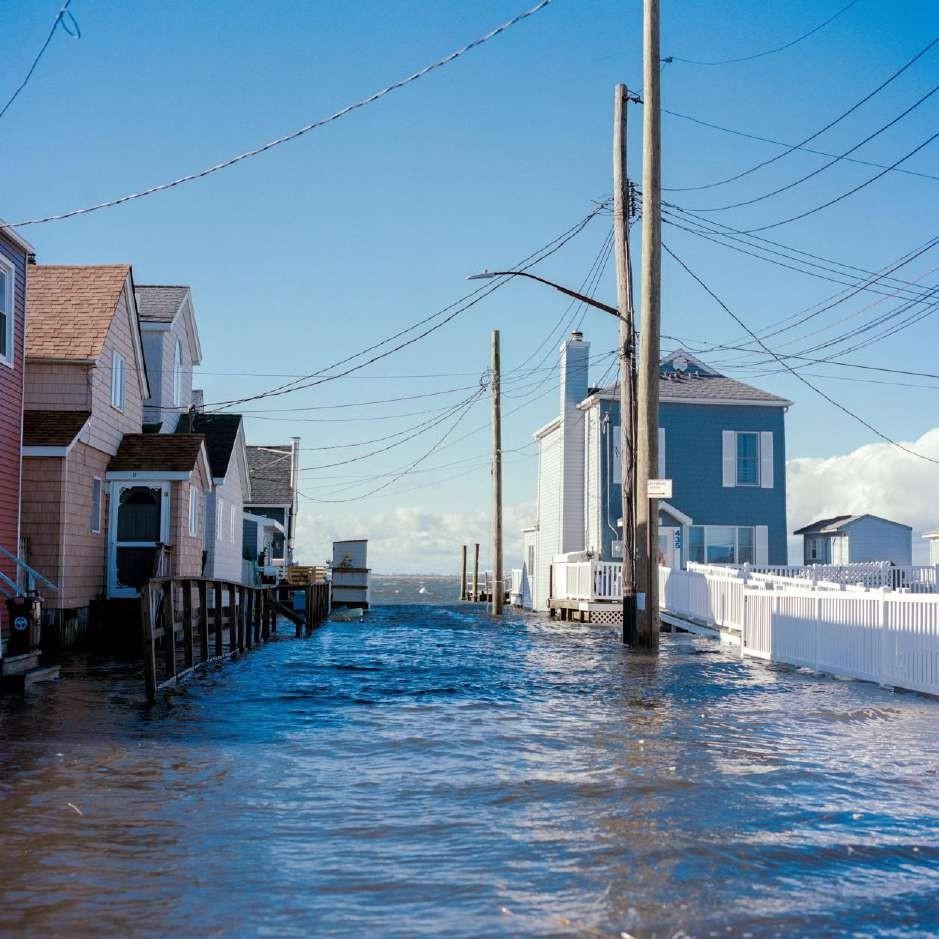
After the storm, the city undertook ambitious infrastructure projects: streets were raised, new storm sewers installed, and bulkheads reconstructed to drain water more effectively and protect residential areas from tidal surges. Ecological restoration efforts, such as marsh elevation and vegetation planting, sought simultaneously to reinforce natural buffers that once mitigated storm impacts.
Yet despite these interventions, the tension remains palpable: winters no longer bring ice thick enough to skate on the main canal, a tradition once documented in old photographs and remembered by elders. Climate change is felt not only through floods, but also through absences—traditions that can no longer be passed on.
This project also looks closely at how childhood unfolds within these collective architectures, and how young people learn to map themselves against a place that is both enduring and deeply held. It asks what is transmitted across generations, and how memory and care persist at the edge of change. The island teaches its own form of resilience: welcoming the water, learning from it, and living in its rhythm.
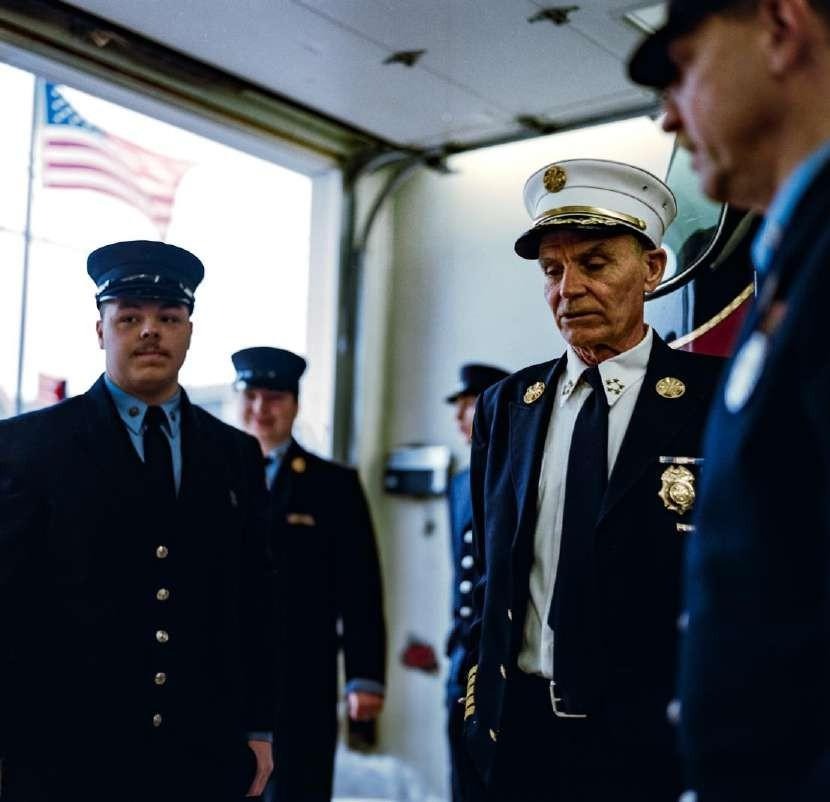
Firefighter Lenny once told me, “Here, we learn about water long before we learn about fire.” The island’s heartbeat is its community: residents often work as civil servants, emergency workers, or in other public roles, reflecting a culture of care, responsibility, and connection that binds everyone together.
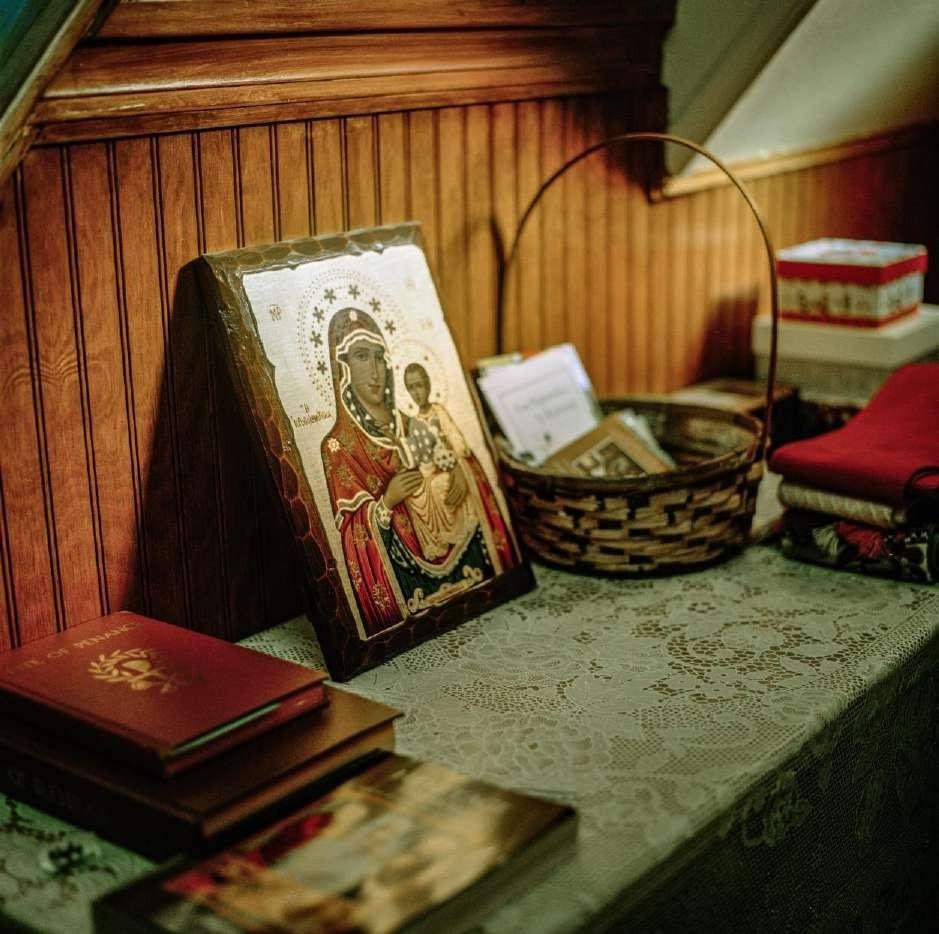
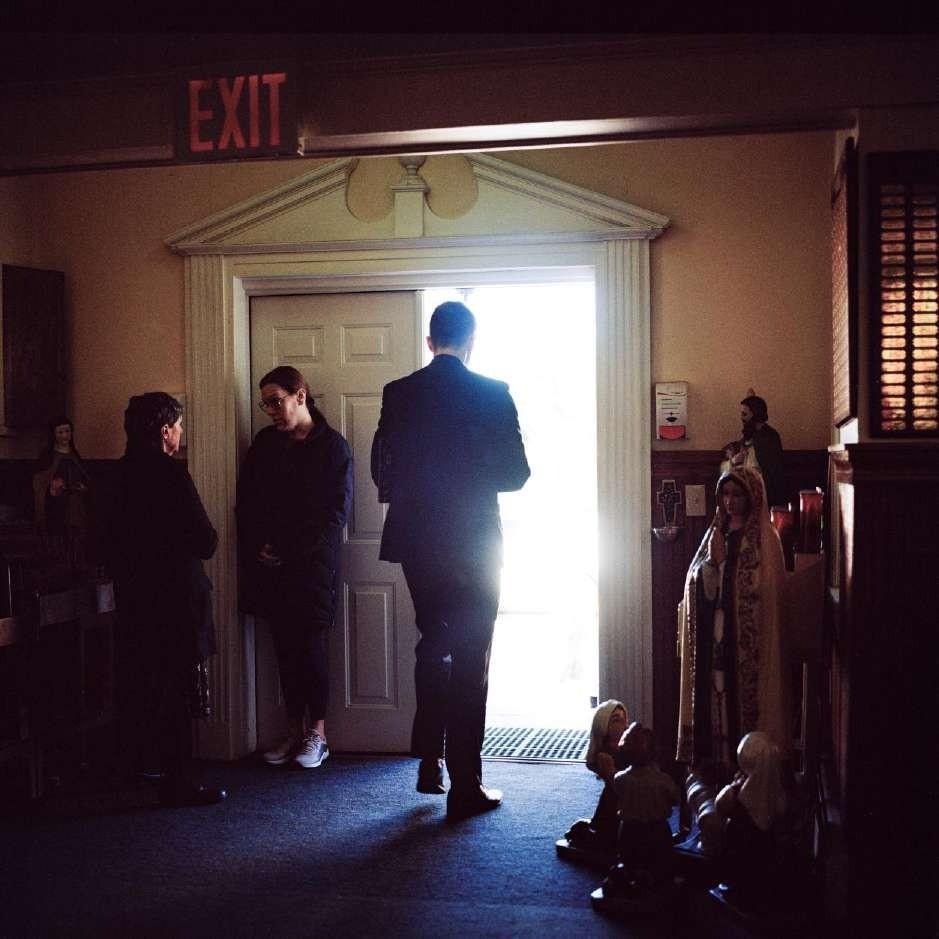
Two churches sitting on the same narrow street in a place where most things are temporary, rebuilt, or slowly slipping toward the water; their presence feels almost defiant. The symbols of this church in the photograph are one of those anchors. St. Virgilius is modest, worn by decades of storms and salt, but it remains one of the few communal spaces where people gather with a sense of continuity.
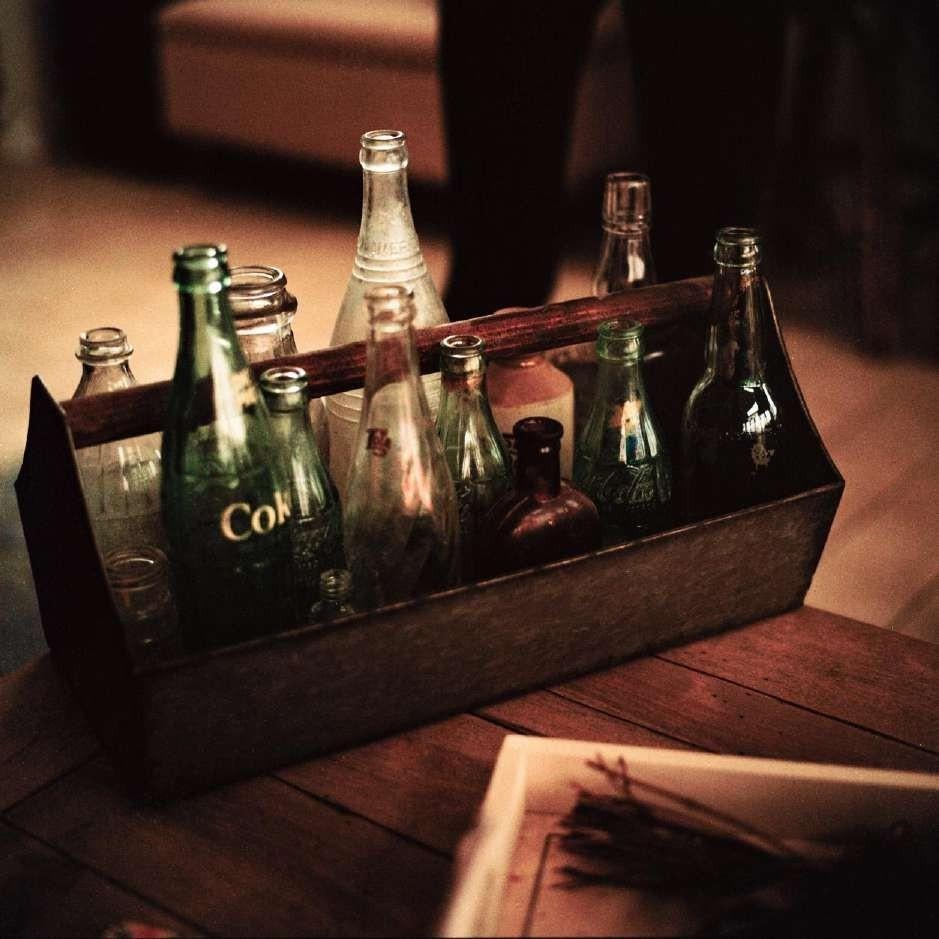
One of the main traditions of the children, maintained across generations, is collecting old crystal bottles they find in the marshes of the bay, accessible only by kayak. These bottles, often over 100 years old and originally from local pharmacies, remain one of the best-kept secrets of the families, with specific routes to collect them known only to them.
Some residents continue to elevate and adapt; others prepare to leave. City-led infrastructure reduces some impacts, and ecological restoration strengthens natural defenses, but neither can stop sea level rise or eliminate the bay’s pressure on the island.
Broad Channel does not offer a clear resolution about the future. It offers lived experience of negotiating uncertainty, of choosing to remain and remember in a place that is deeply held.
Despite decades of challenges, from floods to city proposals to repurpose the land, the people of Broad Channel have endured. The water is not just a border, it is a legacy, rooted in history, memory, and the care of each generation. Here, every wave that reaches the doorstep carries a memory and a promise: that life will persist.