Morning: The upper waters
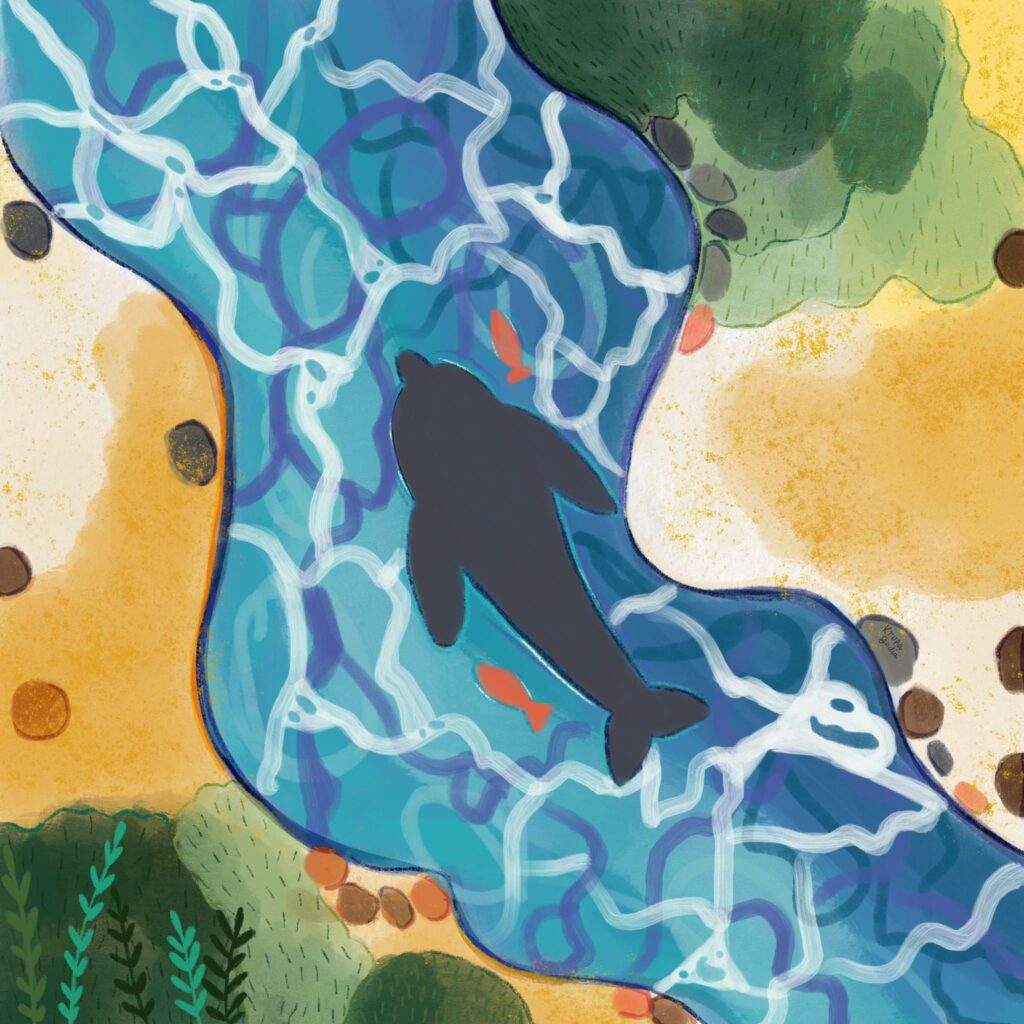
They call me Susu. I am a river dolphin living in the Ganga (or Ganges) River in India. Born blind, I use sound to navigate and feel through instinct. The river speaks to me in ripples and vibrations.
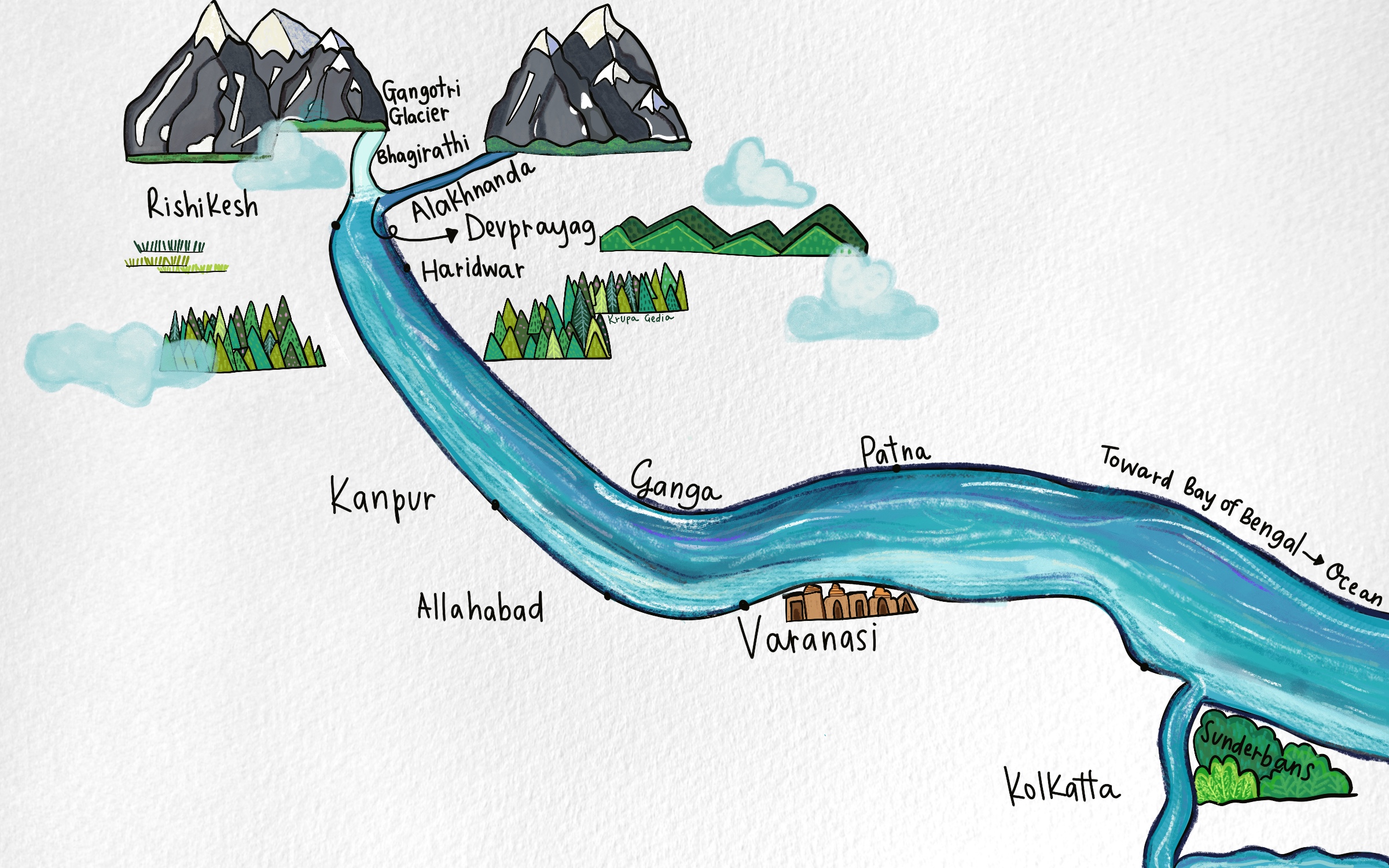
High in the Himalayas, where the Bhagirathi rushes from the Gangotri glacier, the Ganga is born. She meets the Alaknanda at Devprayag, and together, they become the mighty river that has flowed for thousands of years.
Even before the sun rises, I sense footsteps above. Pilgrims enter the river in Rishikesh and Haridwar. They offer flowers and prayers. Their chants drift across the water like soft wind. They believe the Ganga washes away their darkness. I dwell here each passing day—I think she cleanses more than just the spirit.
Midday: Life along the banks
By noon, the water grows warm. The river widens as she flows through Uttar Pradesh, turning flat and deep. This is where I live—near Patna—among muddy swirls and hidden fish.
I rise to breathe. On the banks, women wash clothes. Children splash in the shallows. A man wades in to release ashes. A fisherman rows past, trailing a net I must avoid.
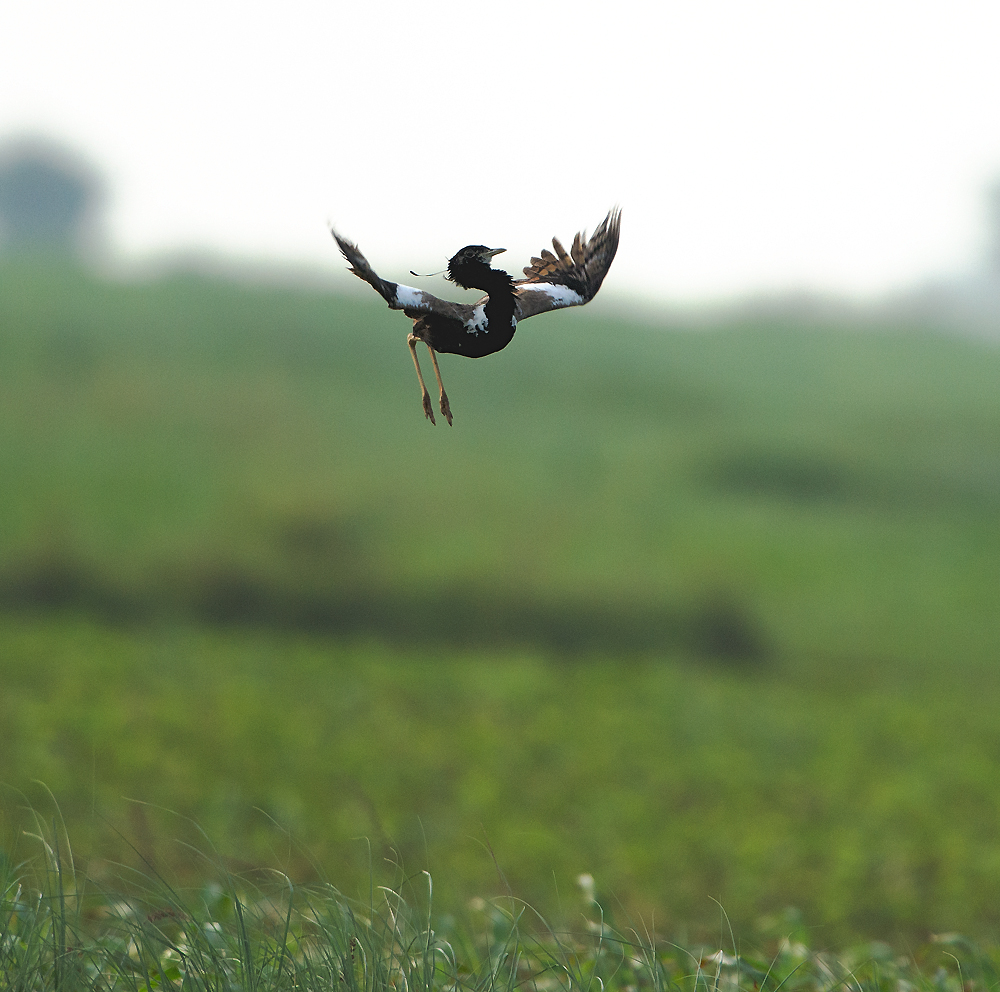
Around me, life moves in quiet rhythms. Rohu and golden mahseer dart through reeds. Herons and storks stand still as statues. Buffaloes wallow at the edges, flicking their tails. Ducks and geese wade along. A pied kingfisher hovers overhead for a quick meal.
Above the waterline, people see the Ganga as sacred. Underwater, she is home.
Afternoon: Old companions
In the deeper stretches, I pass old friends. A gharial lounges on a sandbank, his long snout resting like a twig. He hunts fish like I do, but rarely speaks. He nearly disappeared once, but Forest Department officials and conservationists managed to bring his kind back. Now we meet again—old reptiles and older mammals—sharing the same water.
There are fewer of us now. Once, thousands of dolphins swam these waters. But now, the river feels different. Dams slow her flow. Chemicals dull her song.
But I am still here. So are the otters, turtles, fish, snails, and egrets. We wait and listen. We adapt.
Evening: Ganga glows
As dusk falls, the banks glow with oil lamps. In Varanasi, families perform the evening rituals, their hands moving in circles of light. Bells ring as incense and camphor rise into the air.
People say the Ganga carries the prayers of millions. I’ve heard many silent prayers—whispers of surrender, innocent joy, and muffled cries.
I rise for one last breath before night settles in. The stars shimmer on the surface. Above, humans celebrate the river’s grace. Below, we simply live in it.
Night: The river sleeps
By night, Ganga splits and spreads. Her arms carve into the world’s largest delta—the Sundarbans. Here, salt meets freshwater, and mangroves guard the land like thick green mazes.
The tiger walks these forests. I’ve heard him drink. Above the water, he is the tiger of the land. Below the surface, I am called the Tiger of the Ganga.
I have never been to the sea. Though some of my kind swim further downstream, I prefer the quieter waters upstream. But I know the delta is important. It protects the coast from storms and provides a home for countless creatures. It is the Ganga’s final gift.
I do not know what tomorrow will bring. But I know the Ganga has fed, sheltered, and cradled civilisations—above and below her waters. She has changed, but she endures.
People take a dip in her to cleanse their hearts and minds. Her crystal flow in the mountains is revered just as much as her silted stream in the cities.
As long as she flows, I will swim in her wake—listening, feeling, and remembering. For in the end, she is the mother in whose lap we all peacefully rest.
Further Reading
Ganga Action Parivar. 2022. Natural heritage of the Ganga. https://gangaaction.org/about-ganga/natural-heritage/fauna/. Accessed on May 10, 2025.
World Wide Fund for Nature. 2007. Swimming blindly down the Ganges. https://wwf.panda.org/wwf_news/?19110/Swimming-blindly-down-the-Ganges. Accessed on June 5, 2025.