Communicating latest research concepts from both natural and social science facets of conservation.
2026Junvol 20
20.2
At London Climate Action Week in June 2026, an event on adapting to extreme heat was cancelled due to the Met Office red warning for high temperatures. The irony was not lost on anyone. But this is our new reality as the world hurtles towards the first climate tipping point, with the widespread mortality of coral reefs underway, according to a 2025 report.
In this issue, amidst the impending sense of climate doom,
At London Climate Action Week in June 2026, an event on adapting to extreme heat was cancelled due to the Met Office red warning for high temperatures. The irony was not lost on anyone. But this is our new reality as the world hurtles towards the first climate tipping point, with the widespread mortality of coral reefs underway, according to a 2025 report.
In this issue, amidst the impending sense of climate doom, Chaitanya Arjunwadkar offers surprising findings of coral reef resilience in the Andaman archipelago. Off the western coast of India, Rucha Karkarey highlights emerging tensions among traditional fishers, modern reef anglers, and spearfishers in the Lakshadweep islands, in response to market changes.
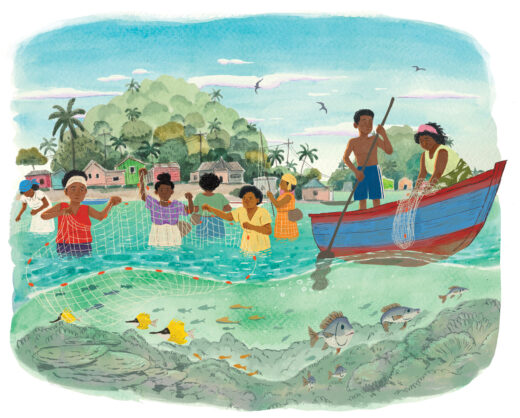
Cecylia Watrobska and Morena Mills share lessons on community-led resource management in Fiji. As a cautionary tale, Grace Orirana et al. show how similar well-intentioned projects in the Solomon Islands undermine Indigenous fisheries management and fail to address the main threats to biodiversity. Meanwhile, photographer Sarang Naik dazzles us with intriguing patterns and textures from Mumbai’s intertidal zone.
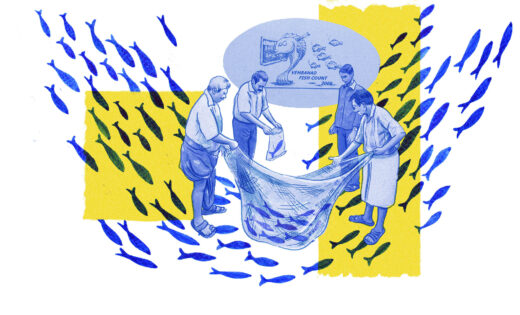
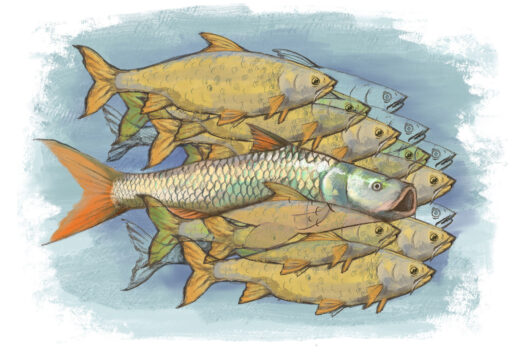
In India’s freshwater ecosystems, Steve Lockett sets out a roadmap for conserving the Critically Endangered hump-backed mahseer, and Anupama Sadasivan provides insights into how an annual fish count in Vembanad Lake snowballed into a conservation movement. We hope you enjoy this edition.