Communicating latest research concepts from both natural and social science facets of conservation.
Artists of the intertidal zone
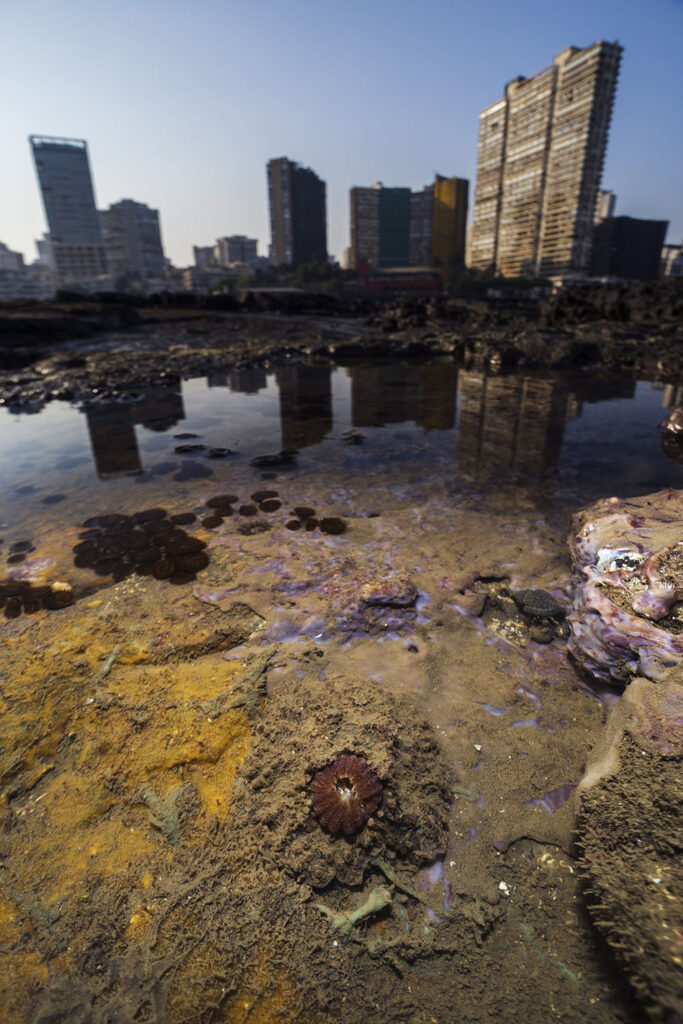
A narrow strip of land that is exposed during low tide and constantly battered by waves during high tide, the intertidal zone hosts an unexpected wealth of life. I started exploring Mumbai’s intertidal zone in 2017 with the Marine Life of Mumbai team. Even after nine years of walking the same shores, I continue to make new mind-blowing discoveries. It is like an infinite onion: every year I peel off what I think is the last layer, only to reveal a new one hiding beneath.
All these years of exploration and visual documentation have led to a particular fascination with small, intricate details that I capture with my macro lens. I’m delighted to share a few here.
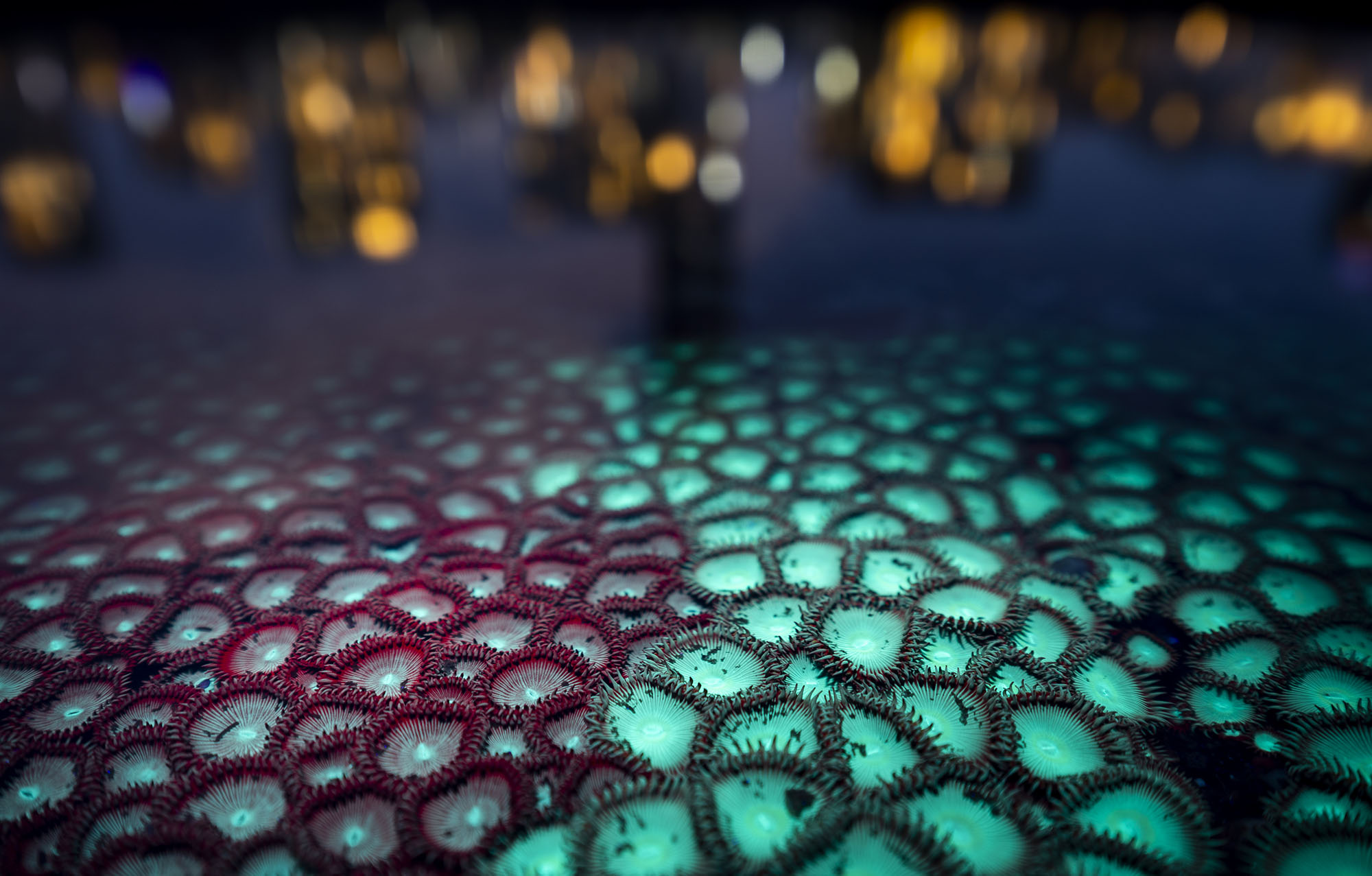
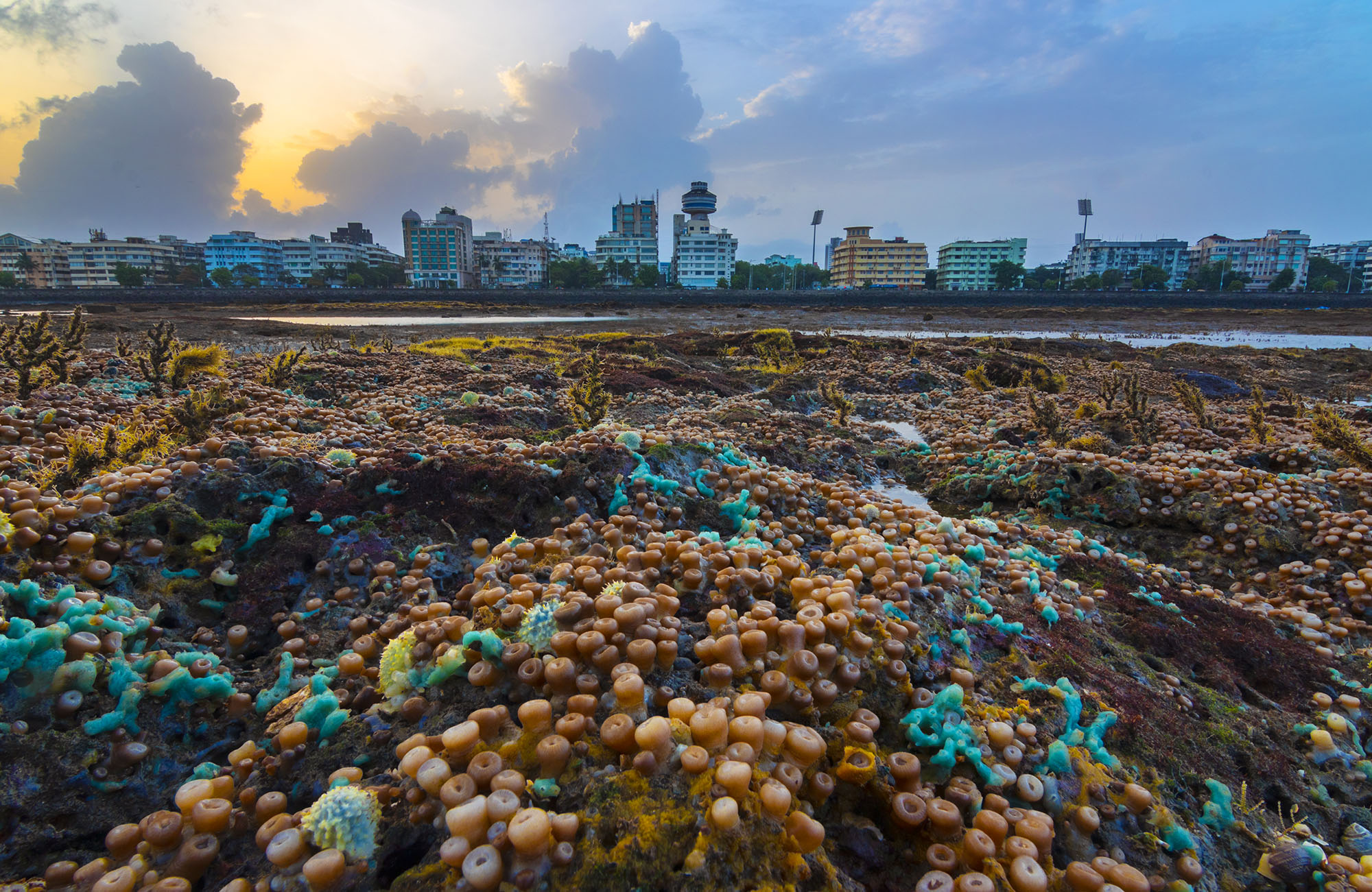
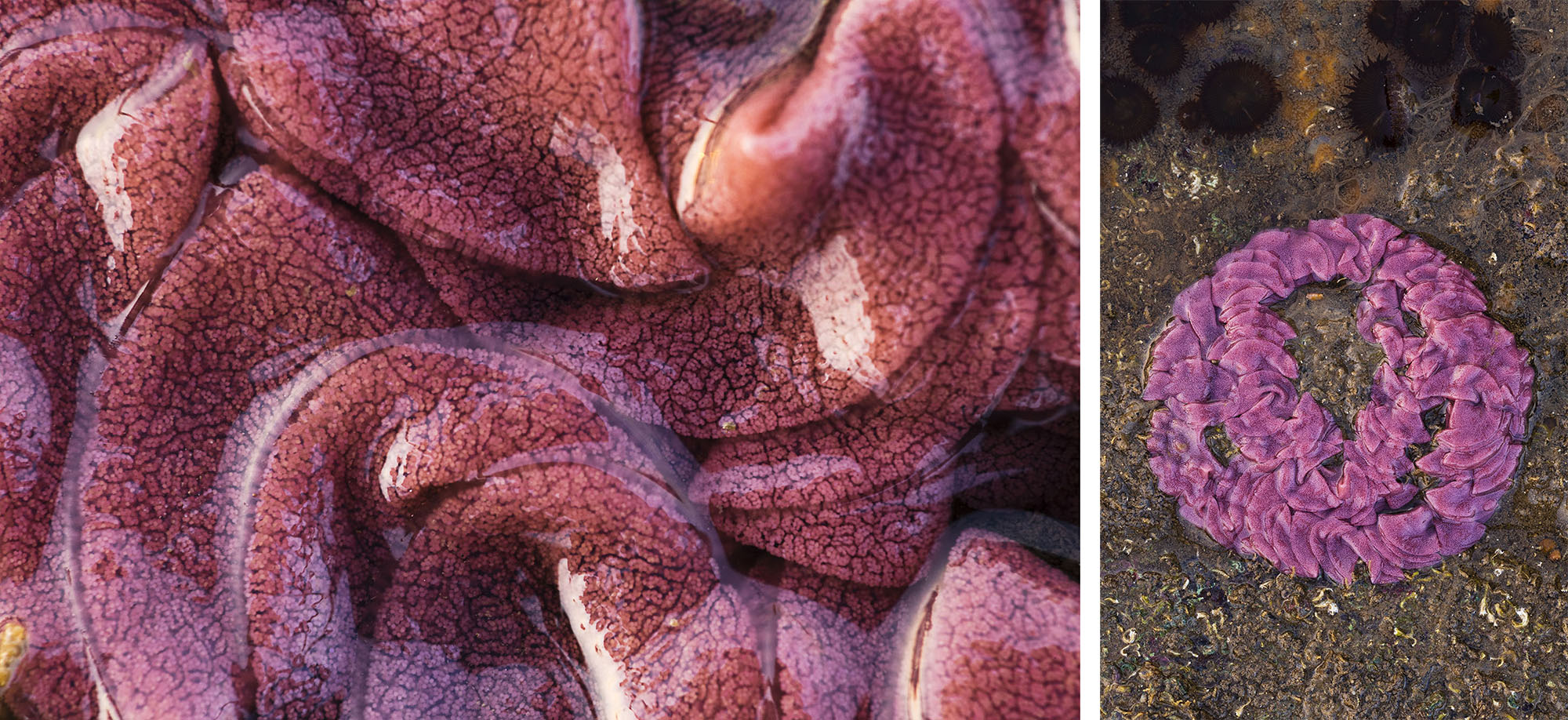
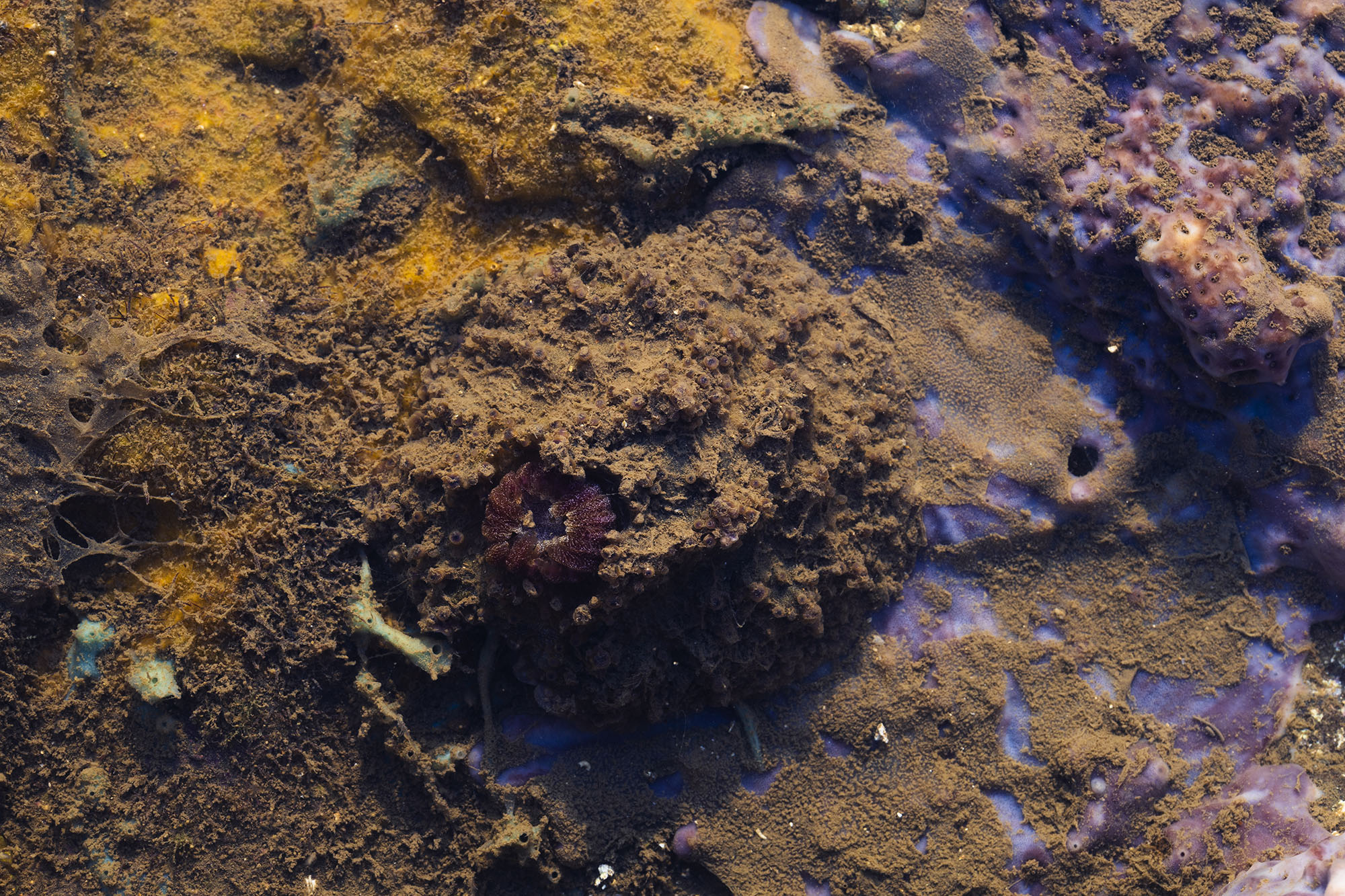
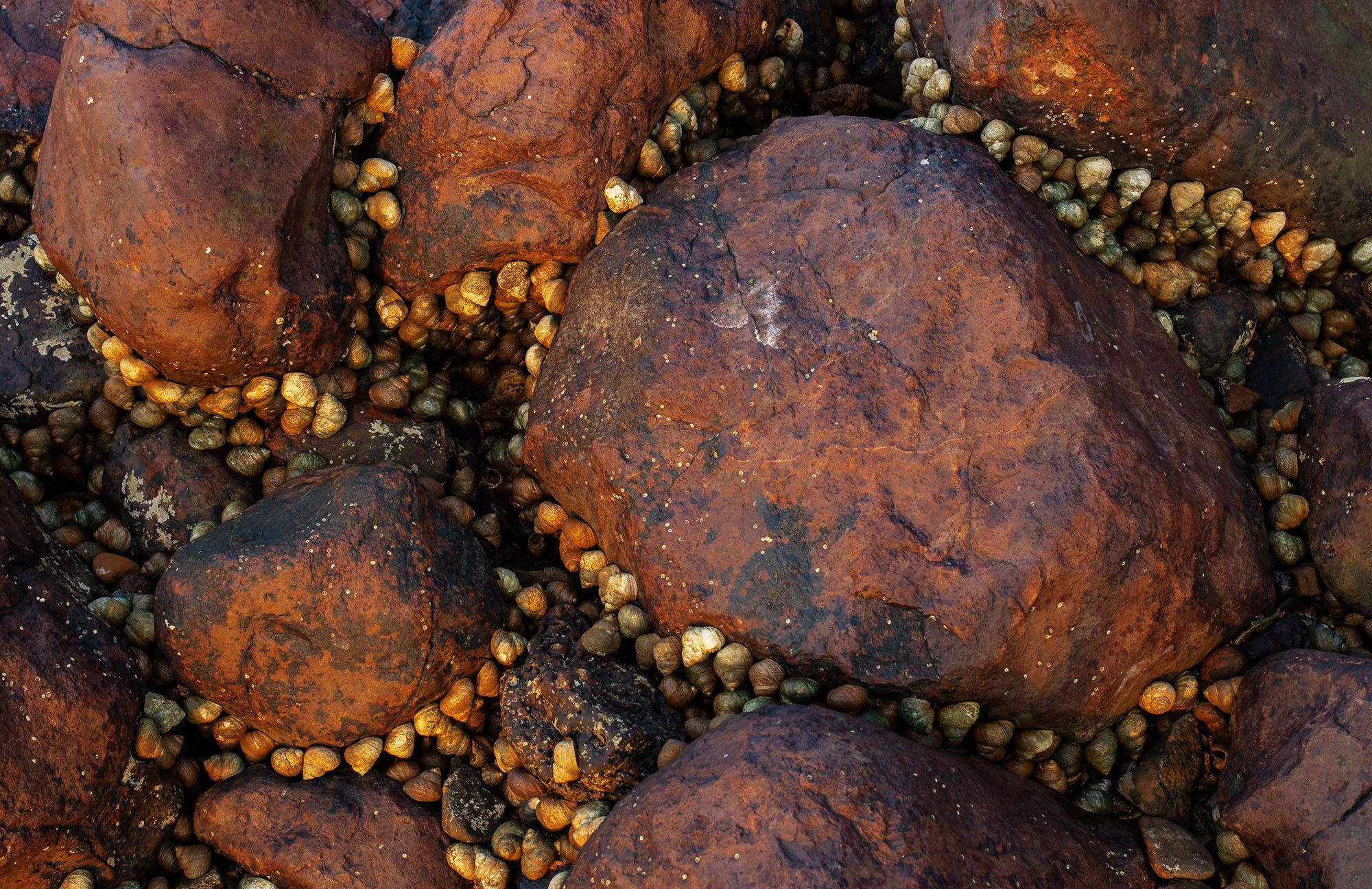
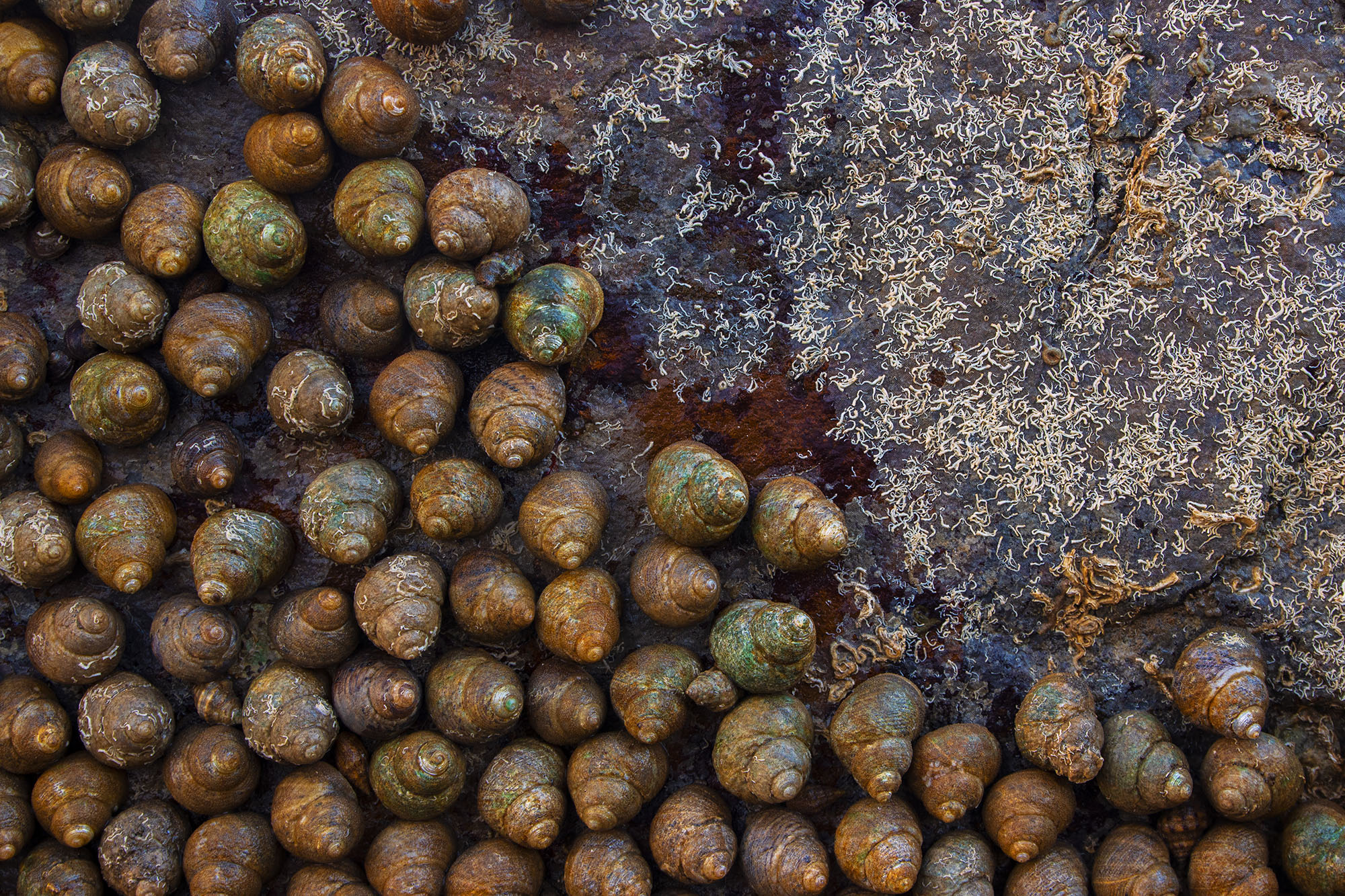
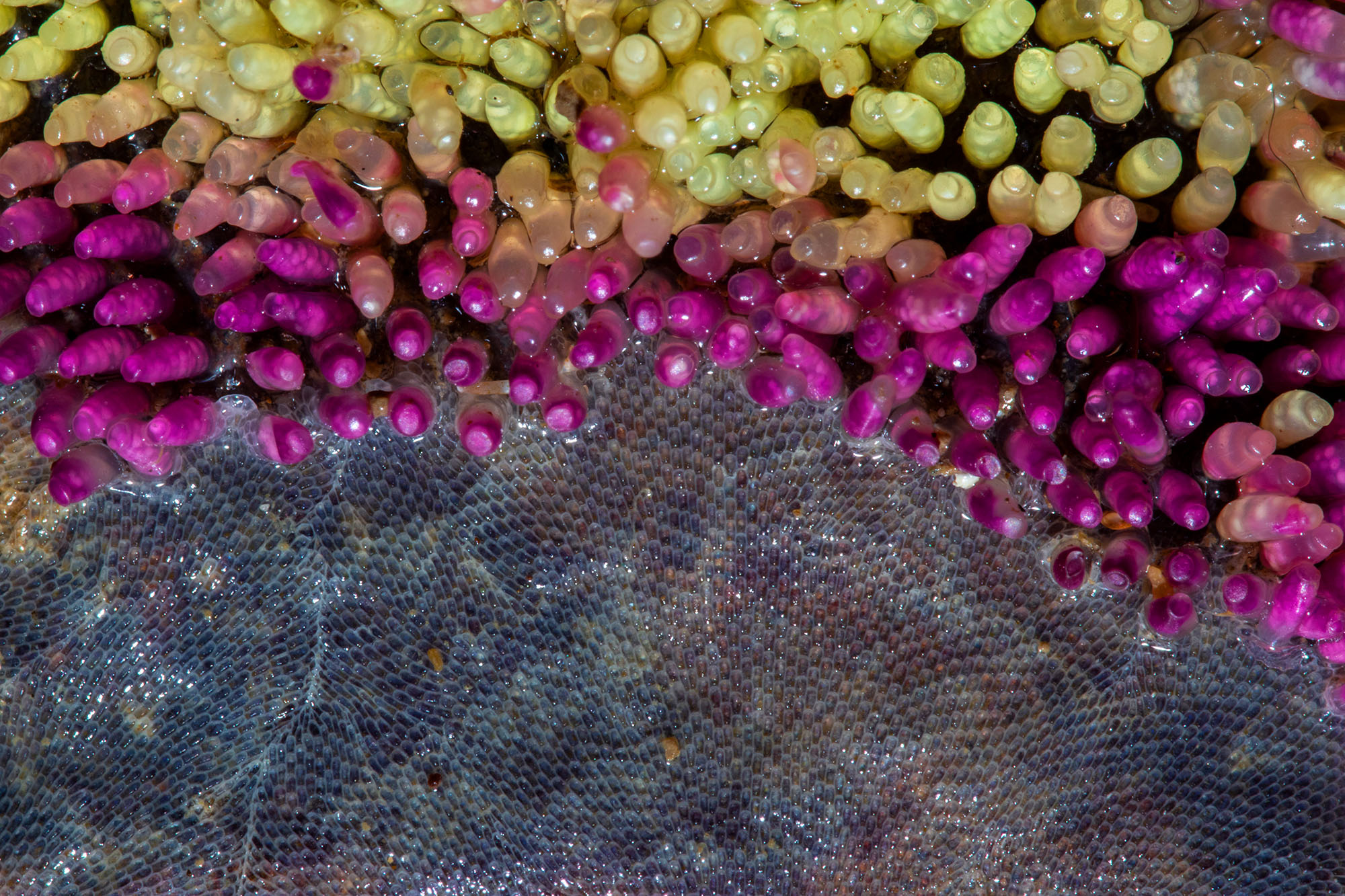
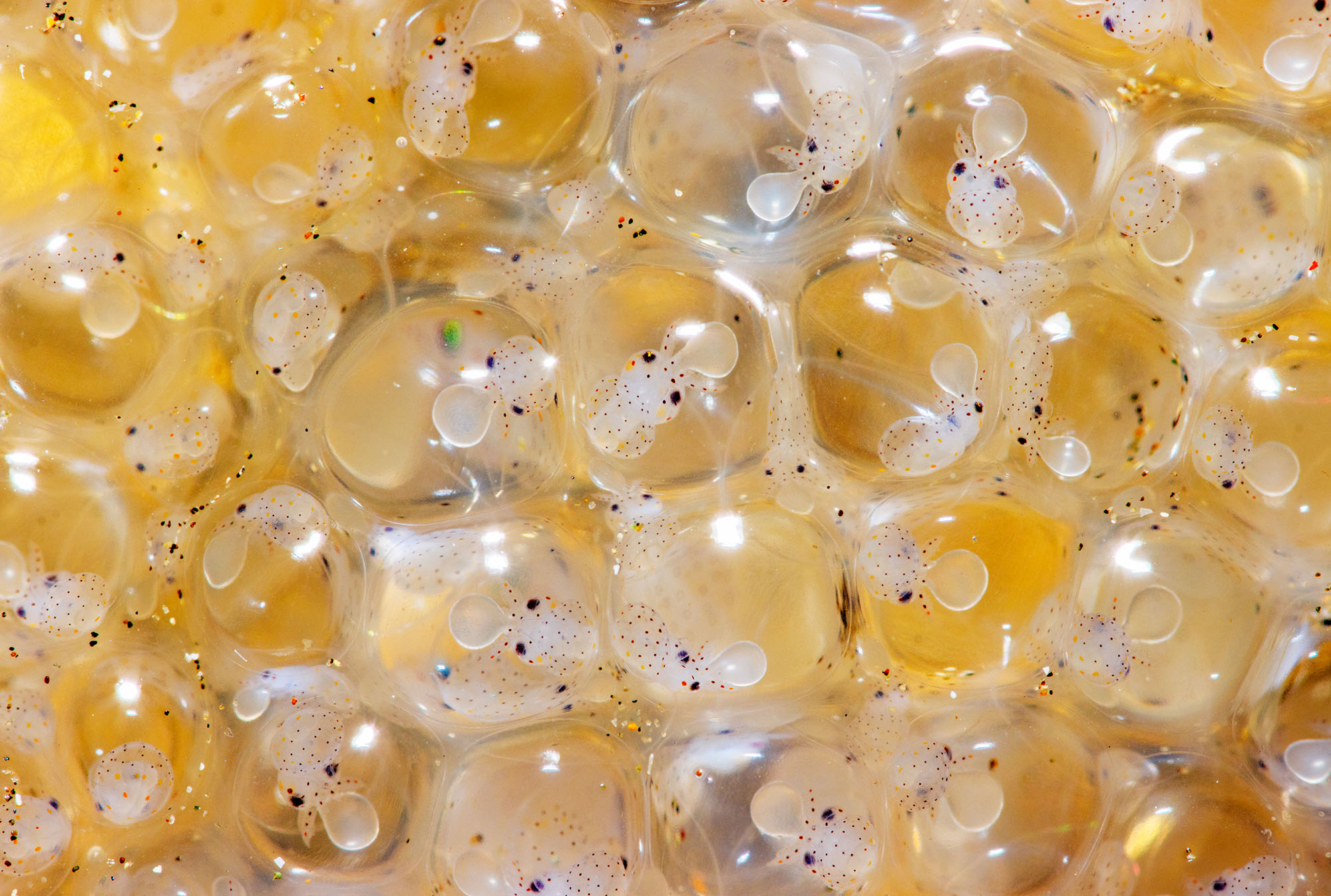
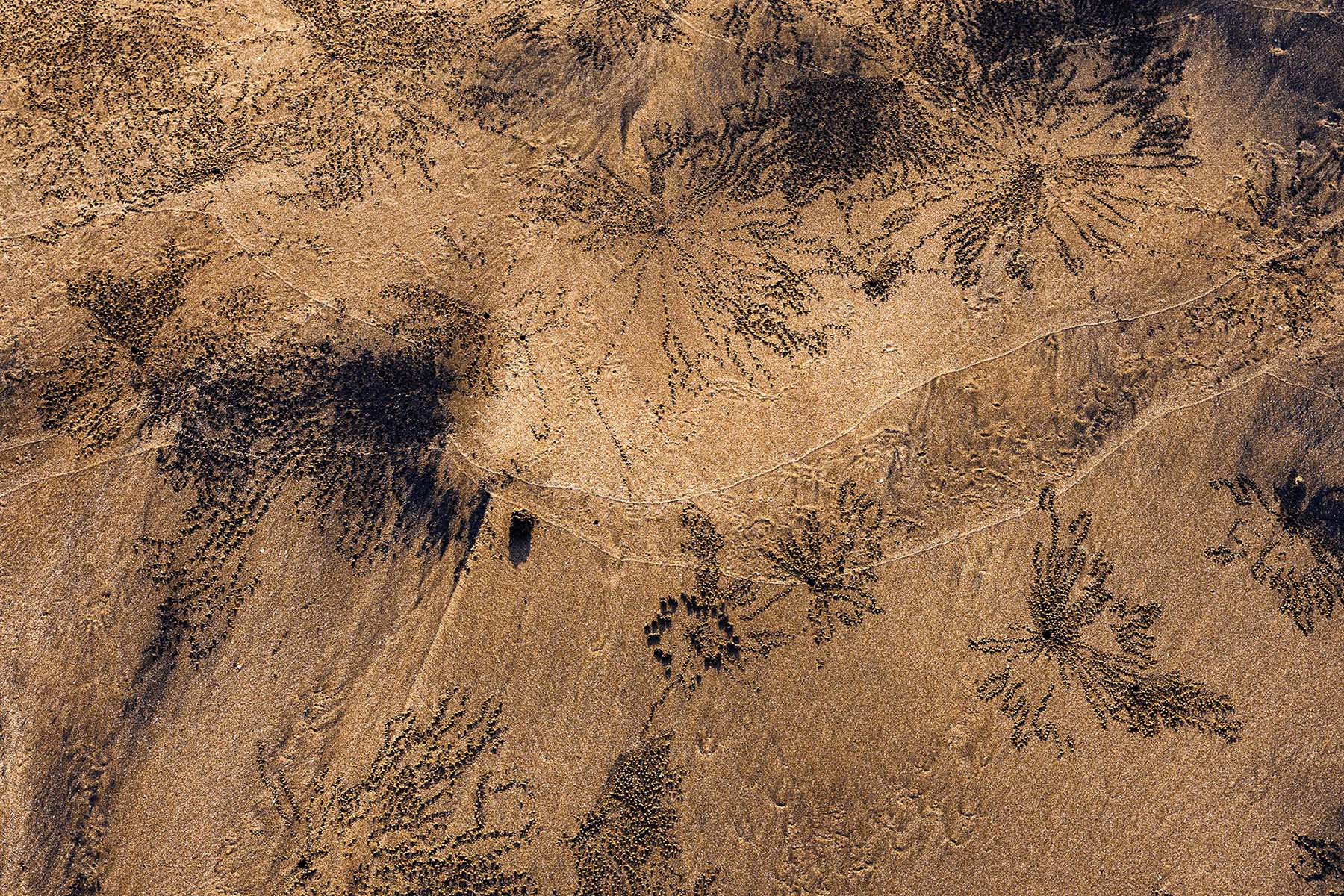
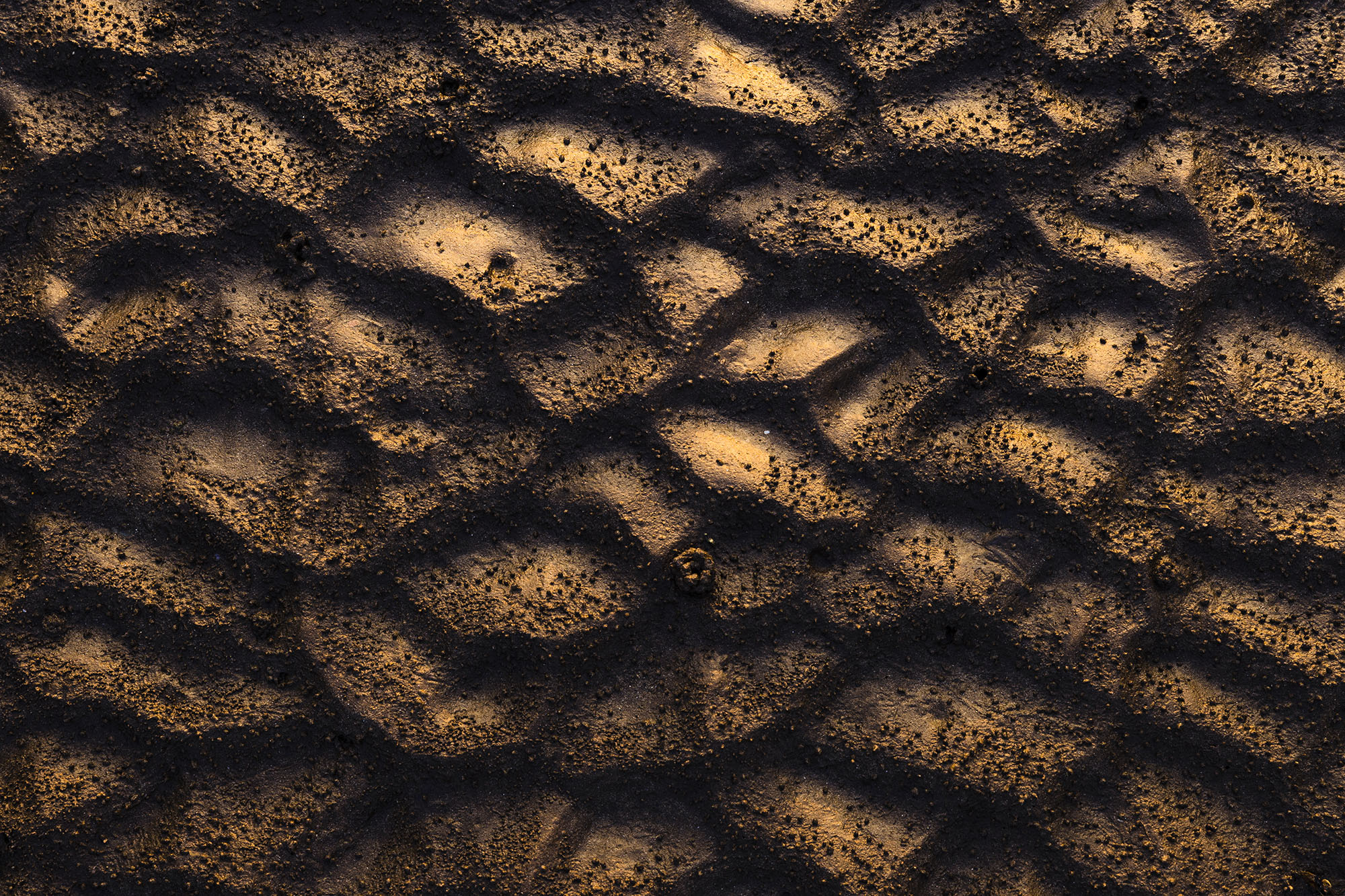
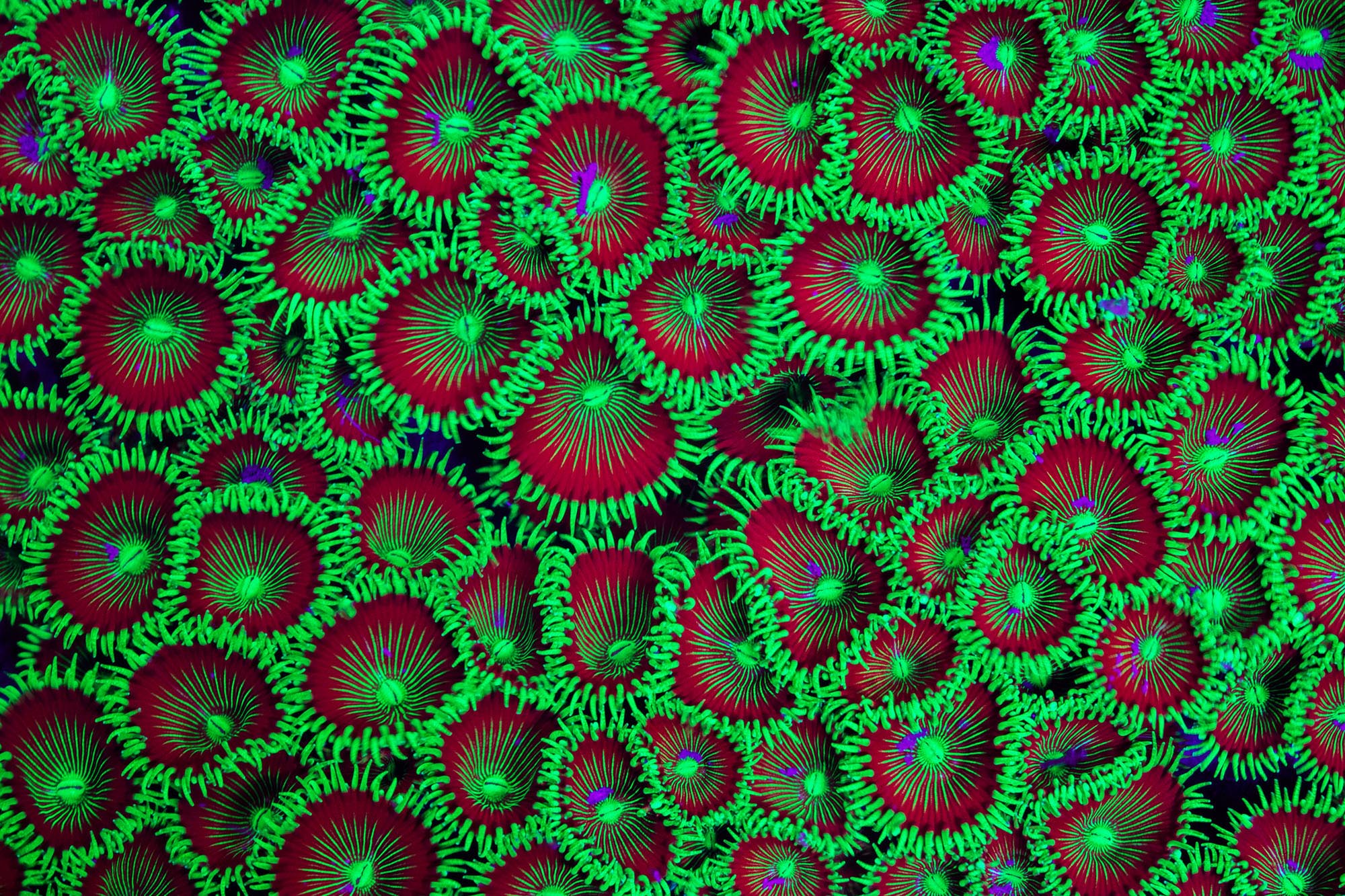
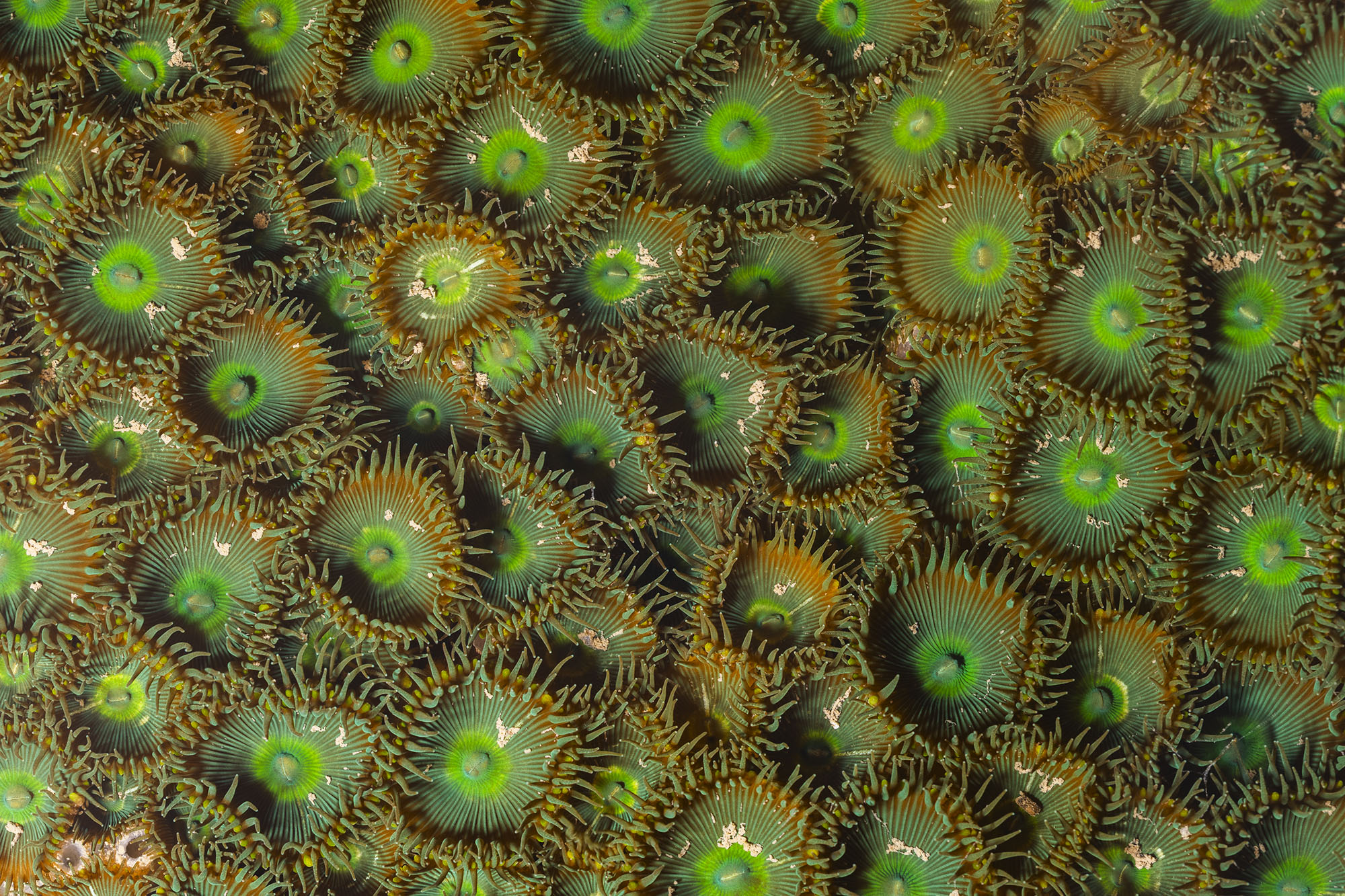
A low tide reveals a diverse rocky intertidal zone right next to Mumbai’s famous Marine Drive.This large, brightly-coloured egg case belongs to an equally sizeable Actinocyclus sea slug that visited our shores. Such bright colours are often a warning to predators that the eggs are inedible. While the egg case was easy to find, the slug itself (below) was a master of camouflage.An Actinocyclus sea slug, blending perfectly into its surroundings.Periwinkle snails are perhaps the most ubiquitous inhabitants of rocky shores. They are adapted for surviving long periods out of water during low tide. To avoid losing moisture, they huddle together in shaded areas between and under the rocks.These periwinkle snails are sharing a rocky substrate with the crusty tubes of polychaete worms.This is a close-up shot from an intertidal boulder. At the top are the capsule-like egg cases of a Murex snail, each containing dozens of eggs. Pale white-yellowish in colour, these cases turn a deep magenta as they mature. The snakeskin-like texture in the bottom half of the image comprises hundreds of animals called bryozoans or moss animals. They are simple, invertebrate animals that form sedentary colonies on the surface of rocks, algal fronds and even the shells of gastropods.Another animal that uses Mumbai’s shores as a nursery is the pencil squid. In October, you can spot its gelatinous egg masses—with hundreds of eggs containing tiny embryos attached to yolk sacs swimming inside them—on sandy shores during the low tide. These embryos develop inside the eggs for a week before hatching and swimming away.These patterns on sandy beaches are the handiwork of sand bubbler crabs, which live in burrows on the shore. During low tide, they feed by passing sand through their mouthparts to filter detritus, and the rest is rolled into tiny balls which are discarded in this neat radial or spiral pattern.But some sand bubbler crabs discard their bubbles haphazardly. In this photo, the way in which the wet sand is shaped by the receding water brings to mind rice terraces in hilly areas.Zoanthids are probably the most bizarre creatures found in the intertidal zone. They look like plants but are, in fact, animals belonging to the phylum Cnidaria. They produce clones of themselves and form huge carpets covering entire rock pools. They also glow brightly under ultraviolet light. This neat trick, known as biofluorescence, helps protect them from the sun’s harsh UV radiation, and also boosts the photosynthetic abilities of the symbiotic algae (called zooxanthellae) that live inside zoanthids.Zoanthids in daylight
Mumbai’s intertidal zone is a kaleidoscope of textures, layers and hidden details that reveal themselves only to the patient and discerning eye. As the city’s tidepooling community grows, I hope that together, we manage to protect and nurture this precious habitat for generations to come.