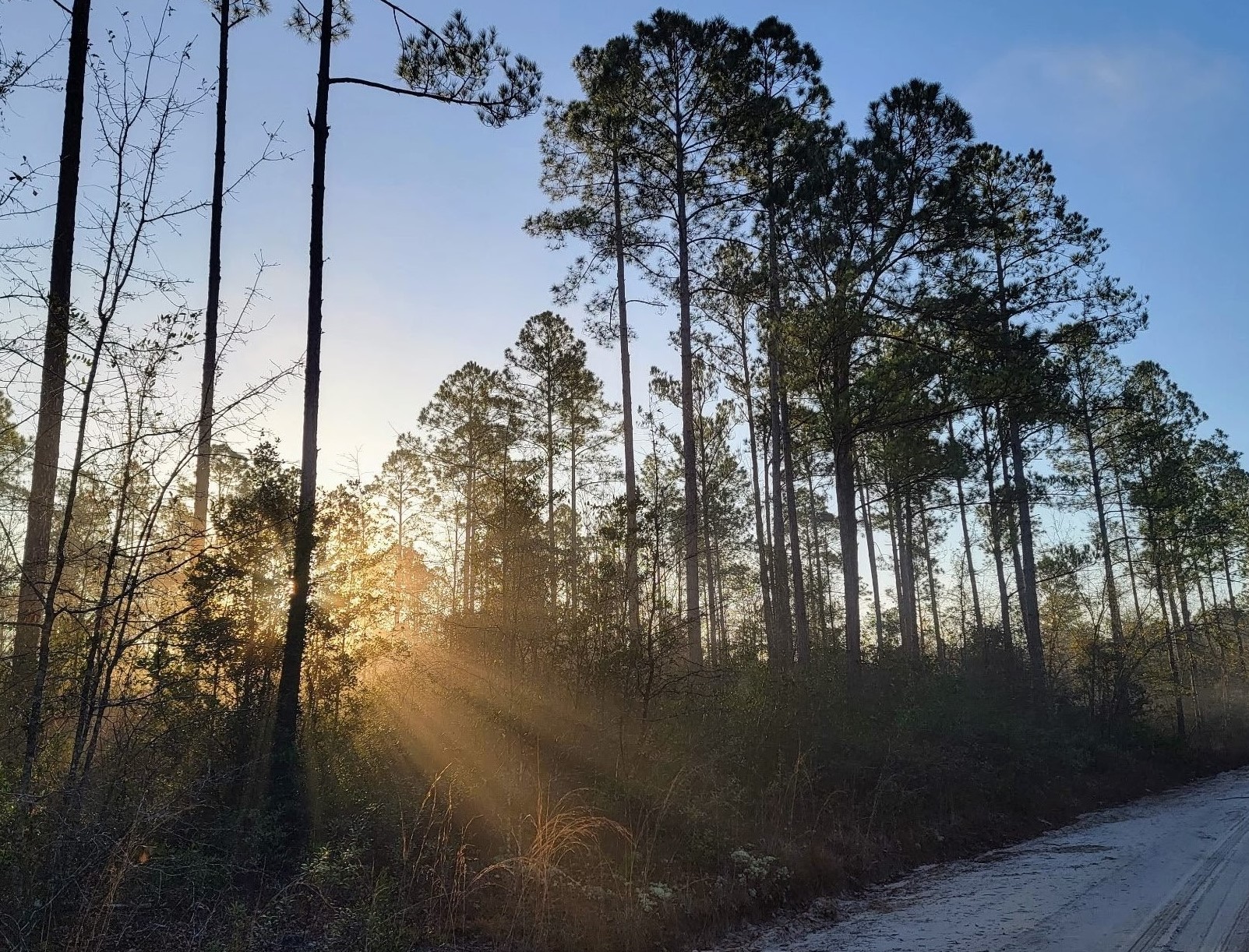
Feature image: Longleaf pine habitat at the Georgia Pines Institute in Brantley County, Georgia (Photo credit: DeeAnn Miller)
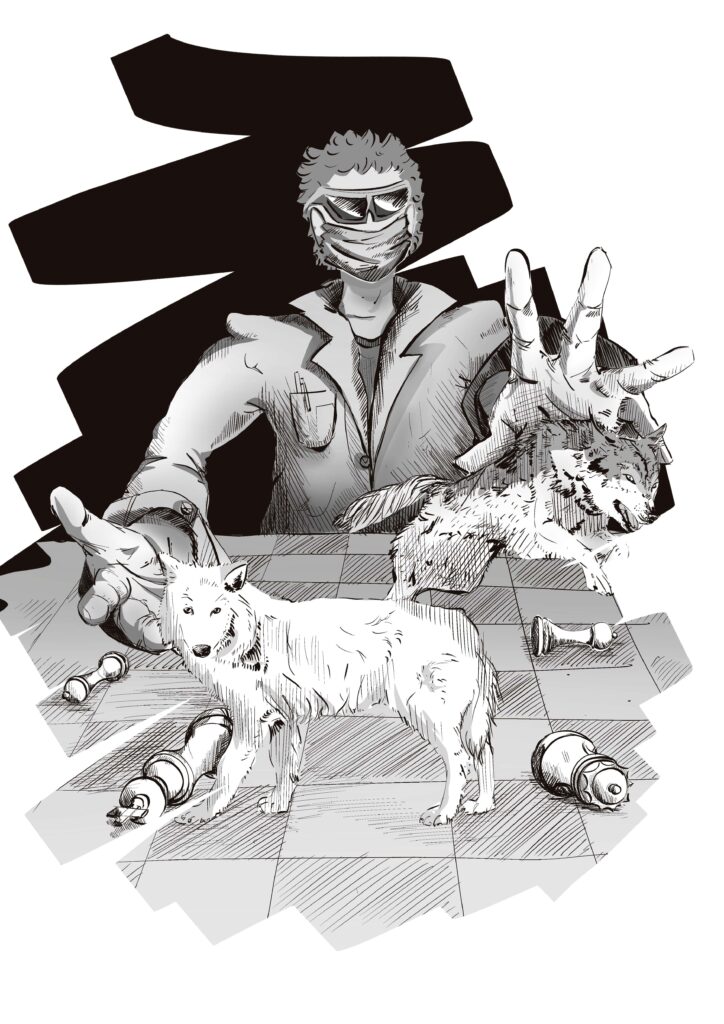
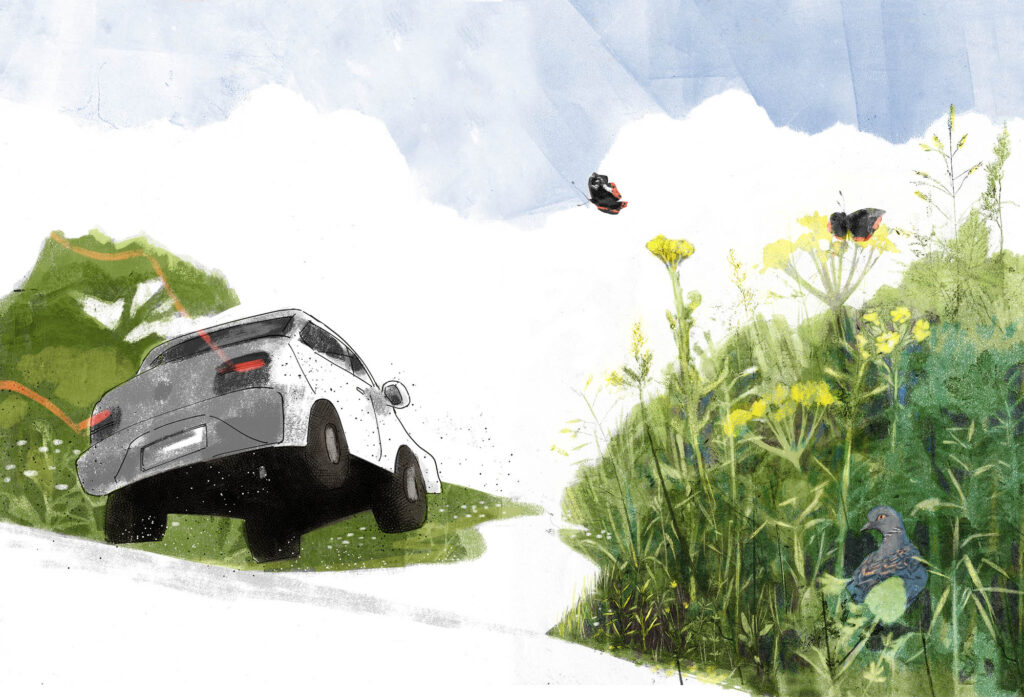
On a quiet Sunday morning in rural southeast Georgia, routine conservation work suddenly became a nightmare. Our Director, Dr. Martin, was mowing a section of land on the Georgia Pines Institute’s conservation property, preparing an area we had been restoring as an educational pollinator habitat beneath the mature longleaf pines. Within seconds, everyday fieldwork turned into a life-altering event for our Director and the nonprofit she had helped build, when a pack of five large dogs suddenly attacked.
The attack was violent and vicious. Alone on the property, she struggled to fend off the dogs as they circled and lunged. She survived, but with twelve severe bite wounds and numerous other injuries. Miraculously, though, thanks to her ability to stay calm and emergency response training that enabled her to perform self-aid, she was able to get to safety, emergency care, and support. Survival was only the start; multiple surgeries, rabies treatments, and weeks of daily wound care followed.
At the same time, another reality quickly emerged. She was not only a steward working on a conservation property now recovering from trauma, but was also the Director and Board Chair of a conservation nonprofit that was dramatically impacted. Suddenly, the Georgia Pines Institute had to determine how to continue operating while its leader recovered from a life-threatening event and the team recovered from their own associated traumas.
This case study tells that story—the organisational response, adaptations in field safety, governance, funding, and lessons learned that can help other conservation practitioners navigate crises.
The vulnerability of small nonprofits
The Georgia Pines Institute manages conservation land in Brantley County, Georgia, with a mission to protect longleaf pine ecosystems—one of North America’s most biodiverse and endangered habitats, native to the southern United States—and document the biodiversity of the south-eastern coastal plain. Our work includes habitat stewardship, ecological monitoring, and educational outreach.
Like many grassroots organisations, we had big ambitions but limited staff and funding, requiring overlapping roles—a practical choice that also created vulnerability. When one person performs multiple roles—administrator, researcher, fundraiser, and Board leader—the organisation becomes vulnerable.
The attack forced us to confront this reality immediately. As the dust settled, we faced urgent questions about completing projects, ensuring safety, maintaining funder confidence, and protecting our mission. How do we complete projects when the primary on-site person cannot walk? How does work on the ground get completed when we cannot ensure safety? How do we demonstrate competence to funders? And the biggest question of all: what happens to our mission?
Complicating matters further, despite seeking support from local and state authorities, enforcement of state-level dog safety laws proved absent. With no leash laws in the county, the owner faced no criminal repercussions. The nonprofit team therefore had to navigate both a traumatic personal event and the absence of meaningful legal recourse.
Separating leadership roles
Once the immediate freeze of all activities was completed, the first decisions made during recovery was to separate leadership responsibilities within the organisation.
Our Director recognised that healing would require time and focus. She knew she had to step down as Board Chair and allow governance to shift to someone able to concentrate fully on organisational needs. This decision was excruciating to make. What founder or Director wants to walk away from the reins? Can the Board function without an on-site Chair year-round? But it was the right choice.
The Board quickly convened an emergency meeting to address the situation. During that meeting, members appointed a new Chair and clarified interim leadership responsibilities. The graduate student project was secured and adapted, the strategic plan revised, and partners and funders updated with new points of contact. This rapid response, and difficult relinquishing of control, created stability during a period of uncertainty.
For many small nonprofits, Founders or Directors hold multiple roles simultaneously. Redistributing those responsibilities during a crisis can allow the organisation to continue functioning while leaders focus on recovery. Ensuring that your senior leadership is well trained but also has the discretion to put the organisation first when needed is tremendously important.
Re-establishing safety
The attack also highlighted an issue common in conservation work: field safety.
Researchers and land stewards often work alone in rural or remote environments. Dr. Martin had done this exact task in this exact location countless times without incident. But being alone in a rural environment—even one you are familiar with and comfortable in—can still be a significant risk. In response, new field safety protocols were implemented.
These included: a buddy system, regular check-ins, designated work zones and activity schedules, continuous vehicle access, clearer emergency communication plans, and an existing predator management framework was adapted and implemented.
Risk assessments were expanded to address hazards beyond wildlife and environmental conditions. These assessments now include risks associated with stray or feral animals and threatening individuals. What had once been solely wildlife-focused or informal practices became structured policies, grounded in current, evidence-based best practices.
Although these measures were created in response to a traumatic event, they ultimately strengthened the organisation’s safety culture and created important guardrails, ensuring we were moving in the right direction and not reacting purely out of emotion.
Adjusting funding commitments
At the time of the incident, the institute was managing an active funding opportunity supporting habitat restoration and management. Three of the four major deliverables had been completed. The final remaining deliverable entailed a community education event with a service project, planting up to 600 trees with volunteers of all ages that the team had been working on for almost two full years.
With field access unavailable due to safety needs, local law enforcement declining to provide security support, and leadership capacity reduced, the Board conducted an immediate evaluation of grant commitments and was again faced with an incredibly difficult decision.
Rather than allowing the project to falter, the organisation contacted the funding agency directly to explain the situation. Together, they discussed how the project could continue under revised circumstances. Ultimately, the last remaining deliverable was downsized dramatically, and a portion removed entirely. No one felt good about it. But it was the least bad option. Fortunately, due to the transparency and willingness to do what they could, the cancellation occurred with no future funding repercussions or negative reviews. In fact, the funding agency stated they would be willing to refund that deliverable entirely in the future. In today’s funding environment, we knew that it was a rare courtesy.
The experience demonstrated that transparent communication with funders can lead to flexibility and support during unexpected challenges.
Rethinking the mission
The crisis also prompted deeper reflection about how the institute’s mission should and could realistically be implemented.
Before the attack, the organisation frequently hosted public educational activities on the conservation property, often informally. Students, volunteers, and community members visited the site to learn about longleaf pine ecosystems and participate in field-based conservation projects. A graduate student was also actively working with the institute on a multi-semester internship project. Given the circumstances surrounding the attack and the lack of reliable animal control, the Board decided to modify how these activities would occur.
Public education remains central to the institute’s mission, but all public-facing in situ education has been suspended indefinitely. Outreach now takes place through digital platforms rather than in-person field visits and service projects. Hopefully one day those activities can resume, but aligning with what is actually feasible is most important.
At the same time, the use of remote monitoring technologies has expanded. Prior to the incident, we had largely conducted transect surveys and point-based sampling. With field access now severely restricted, we shifted more towards remote sensing. Wildlife cameras, drone-based surveys, and automated environmental sensors play a larger role in documenting biodiversity and ecological change across the property. These tools allow the team to gather valuable data while reducing the need for constant human presence.
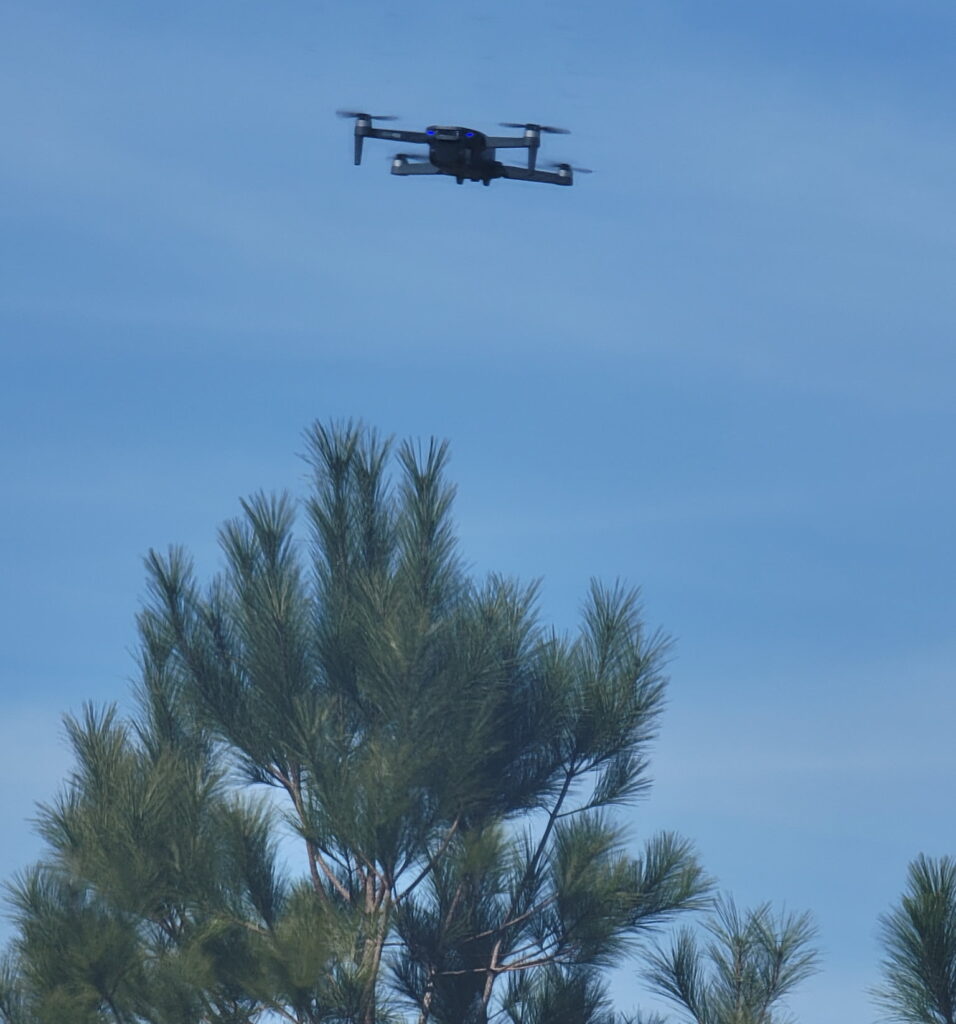
Unexpectedly, the shift has improved both safety and, in terms of frequently difficult-to-access or inaccessible wetland areas, research capacity.
Resilience beyond ecosystems
Recovering from a violent animal attack is not something anyone expects to experience while working in conservation—especially not in what was believed to be a safe county in the US.
This experience revealed something else important about our organisational resilience. The Georgia Pines Institute did not stop operating. Though duties paused briefly for reassessment, the mission continued. Governance clarified, safety improved, and methods became more innovative.
But it is not just the Georgia Pines Institute that did not stop. Life did not stop. Physical healing takes time, and the emotional impact of such an event does not disappear quickly either. Gratefully, Dr. Martin has been healing well. But it is still hard. And pretending it is not is disingenuous. She makes it no secret that she is only this far because of the incredible medical team and community that stepped up to support her when she needed it most.
Medical teams and trauma specialists began immediate and aggressive treatment after the attack, guiding the medical care that made healing possible. Friends and family stepped in to help with the everyday realities that suddenly became difficult—preparing meals, helping maintain the house, providing transport, and managing the many small tasks that keep a household functioning. At the same time, coworkers and colleagues helped carry the workload of ‘real jobs’, taking over office responsibilities and operational tasks so that things kept moving. None of the adjustments we made as a nonprofit would have been feasible without that broader community of support. Their skills, talents, and care have been an immeasurable gift.
The experience reinforced an important lesson that many leaders struggle to accept: resilience is not just a personal characteristic. One person cannot lead through a crisis alone. It is built as an organisation. Leaning on your community—especially when it feels difficult to ask for help—is not a weakness, but a critical part of navigating a crisis.
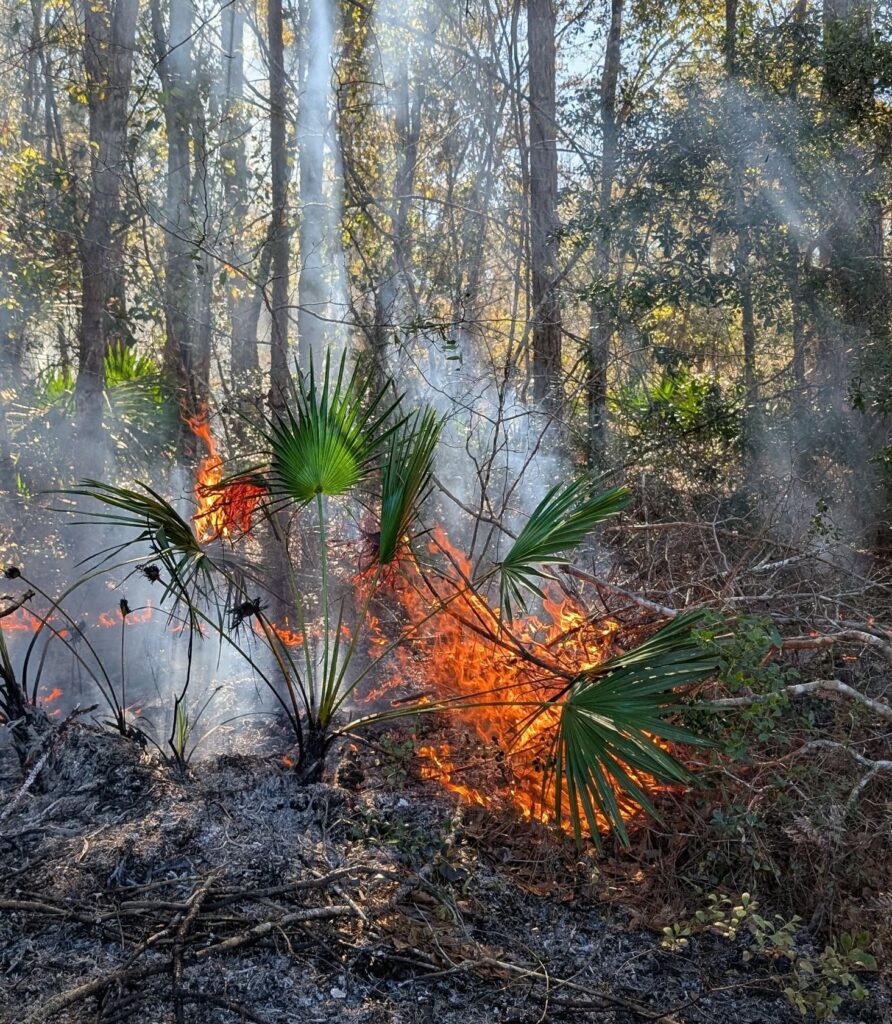
In conservation, we often speak about resilience in ecological systems—how forests recover after disturbance or how species adapt to changing conditions. The southeastern US’ longleaf pine ecosystems are shaped by cycles of disturbance and renewal. Fire periodically reshapes the landscape, allowing the ecosystem to flourish. It is formative and, ultimately, required for sustainable growth.
Similarly, resilience and persistence are something conservation organisations must also develop. Unexpected crises will occur. What matters is the response. Like fire in a longleaf pine system, our situation was painful, but also provided opportunities for progress and gratitude and reshaped us in ways that made the work more sustainable.
Lessons learned for conservation practitioners
This experience offered several lessons for small conservation organisations and practitioners:
- Prioritise safety in the field: Even familiar sites pose risks. Provide first aid training and certifications, use buddy systems, clear emergency communication, and safety equipment. Spend time finding your safety blind spots before you encounter one.
- Distribute leadership and governance roles: Founders often wear many hats, which can create vulnerability. Redistributing responsibilities allows the organisation to be more adaptable during a crisis.
- Communicate transparently with funders and partners: Honest updates build trust and flexibility. Funders may be willing to adapt deliverables when circumstances are explained clearly.
- Adapt mission delivery to current realities: If circumstances change, so does the work, consider remote monitoring, digital outreach, or alternative service projects. Admit what is truly feasible and act accordingly.
- Embrace community: Colleagues, friends, and volunteers provide critical operational, logistical, and emotional support. Organisational resilience is built collectively, not individually.
- Document experiences for organisational learning: Reflecting on your experiences helps plan for future crises and shares lessons with other practitioners.
Further Reading:
Jordan, T. A., P. Upright and K. Tice-Owens. 2016. Crisis management in nonprofit organisations. Journal of Nonprofit Education & Leadership 6(2).
Roche, K. 2009. Managing the mission through times of adversity: What leads to reliable nonprofit performance? (Student Scholarship No. 301). Case Western Reserve University. https://commons.case.edu/studentworks/30.
Spillan, J. E. 2003. An exploratory model for evaluating crisis events and managers’ concerns in nonprofit organisations. Journal of Contingencies and Crisis Management 11(4): 160–169.