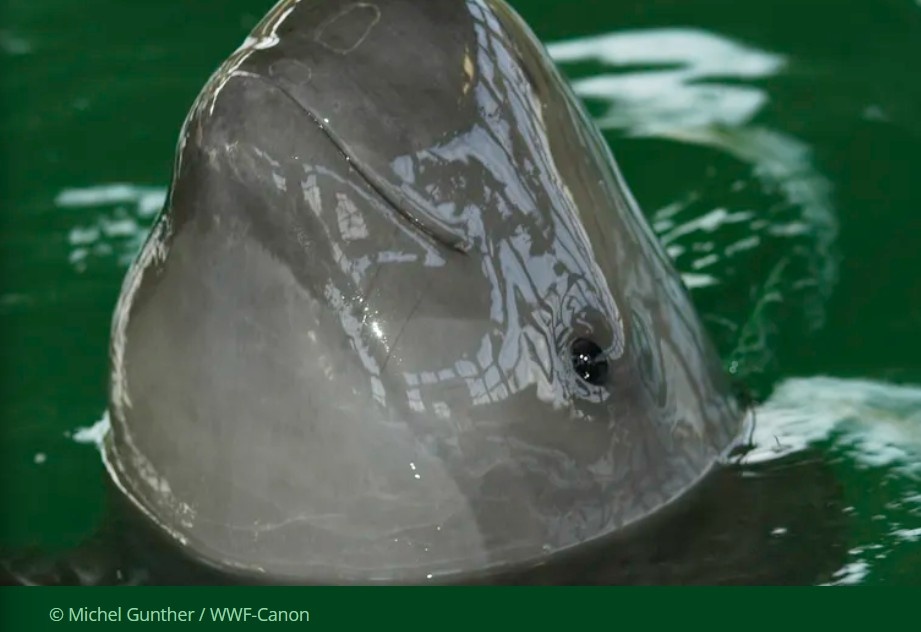
Feature image: A Yangtze finless porpoise, a type of small cetacean, categorised as Critically Endangered on the IUCN Red List (Photo credit: Michael Gunther for WWF)
Charismatic, economically valuable, and ecologically important, marine mammals are one of the most well-studied groups of animals on the planet. Despite this, research and public interest in these animals have not protected them from the same threats and declines witnessed in other, less renowned and studied animals.
This is particularly true of small cetaceans, which includes dolphins and porpoises. Small cetaceans did not experience the historical overharvesting faced by the great whales and other marine mammals, and are not the subjects of current commercial harvest, such as those threatening sharks, rays, and other large marine vertebrates. Why then are some species of small cetaceans facing extinction?
Assessing global threats
A 2024 study by Temple, Langner, and Berumen at the Thuwal Red Sea Research Centre in Saudi Arabia tried to answer this question by systematically examining records for small cetaceans worldwide. Their objectives were to assess both historical and current extinction risk, and the effectiveness of conservation efforts. They systematically reviewed scientific publications from 1991 to 2023 and accessed data from the IUCN Red List, which is the most widely used method for assessing the extinction risk of a species. For each small cetacean species, they recorded threats described in IUCN records and compared these to the frequency of threats described in the scientific literature.
Their findings were alarming. Nearly a quarter of all small cetacean species are currently threatened with extinction, and their Red List status has shown no improvement over the last three decades. Though the population decline of threatened cetacean species has been slow, it has remained consistent.
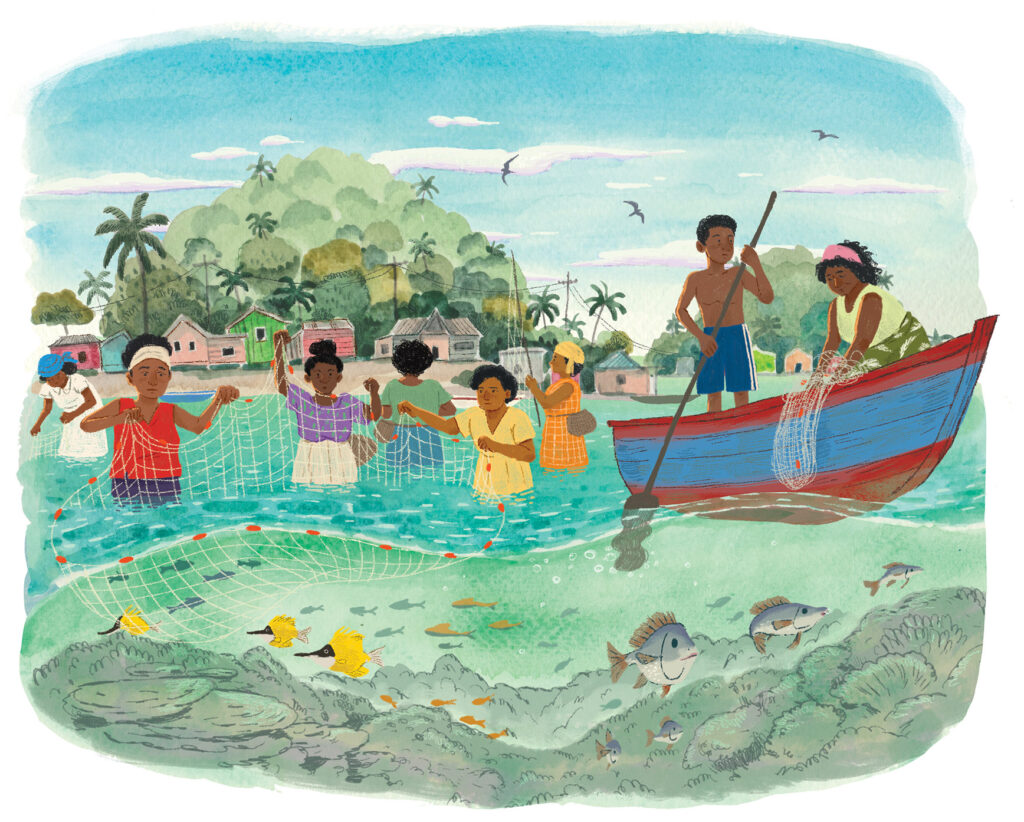
The greatest threat arises from entanglement in nets and other gears of small-scale fisheries. Dolphins and porpoises are especially vulnerable, as many inhabit coastal waters where such fisheries operate. This is particularly the case in low and middle-income countries where fishing is prevalent, as it remains a vital source of food and income. Habitat-choice further compounds the risks to cetaceans.
The feeding and breeding grounds of small cetaceans are under constant threat due to coastal development, urbanisation, effluent discharge, and marine debris. In industrialised regions, cetacean species are further affected by pollution and habitat degradation, due to alterations to the marine ecosystems associated with coastal development. The study also shows that cetacean species inhabiting shallow and coastal habitats are especially at risk, since they are exposed to a higher rate of human activity.
Evaluating conservation efforts
Global research and conservation priorities have not kept pace with these threats to small cetaceans. Bycatch in fisheries and habitat loss—the most serious threats—have been less studied than factors like noise pollution and oil extraction. Conservation policy has been general, and most conservation programmes fail to target the specific risks faced by small cetaceans.
However, not all of the study’s findings were alarming. The Bycatch Mitigation Initiative of the Food and Agriculture Organisation of the United Nations (FAO) has developed practical solutions to reduce the accidental capture of marine animals in fishing gear. Similarly, the IUCN has developed the Integrated Conservation Planning for Cetaceans framework to help countries strategise for the long-term survival of whale and dolphin species. Still, in light of the scale of the problem, these efforts are insufficient. Management strategies need to be more localised and targeted, and researchers must shift their focus towards threats that need urgent handling and the human activities driving them.
The authors argue that conserving small cetaceans holds symbolic weight. These species may not be the largest in the ocean, but their conservation is a test of our ability to respond effectively to biodiversity loss. If the global community cannot manage threats to dolphins and porpoises—species that are relatively well-studied and beloved—then it does not bode well for lesser known species or more complex cases. Furthermore, success in conserving small cetaceans could also provide momentum for broader marine conservation strategies.
Further Reading
Temple, A. J., U. Langner and M. L. Berumen. 2024. Management and research efforts are failing dolphins, porpoises, and other toothed whales. Scientific Reports 14: 7077. https://doi.org/10.1038/s41598-024-57811-7.