Hidden Denizens of the Desert: Tracking carnivores in Kutch

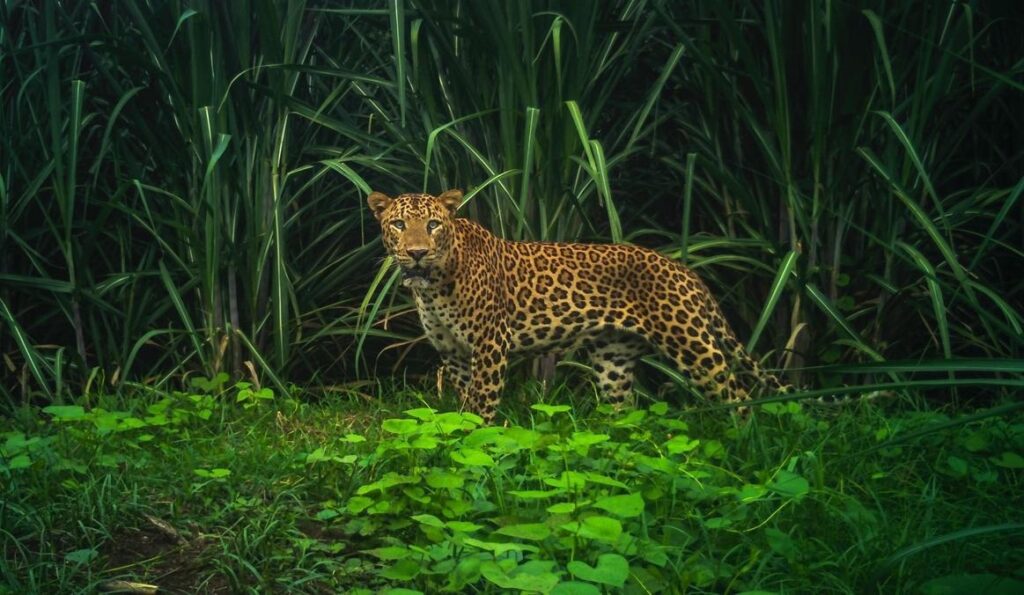
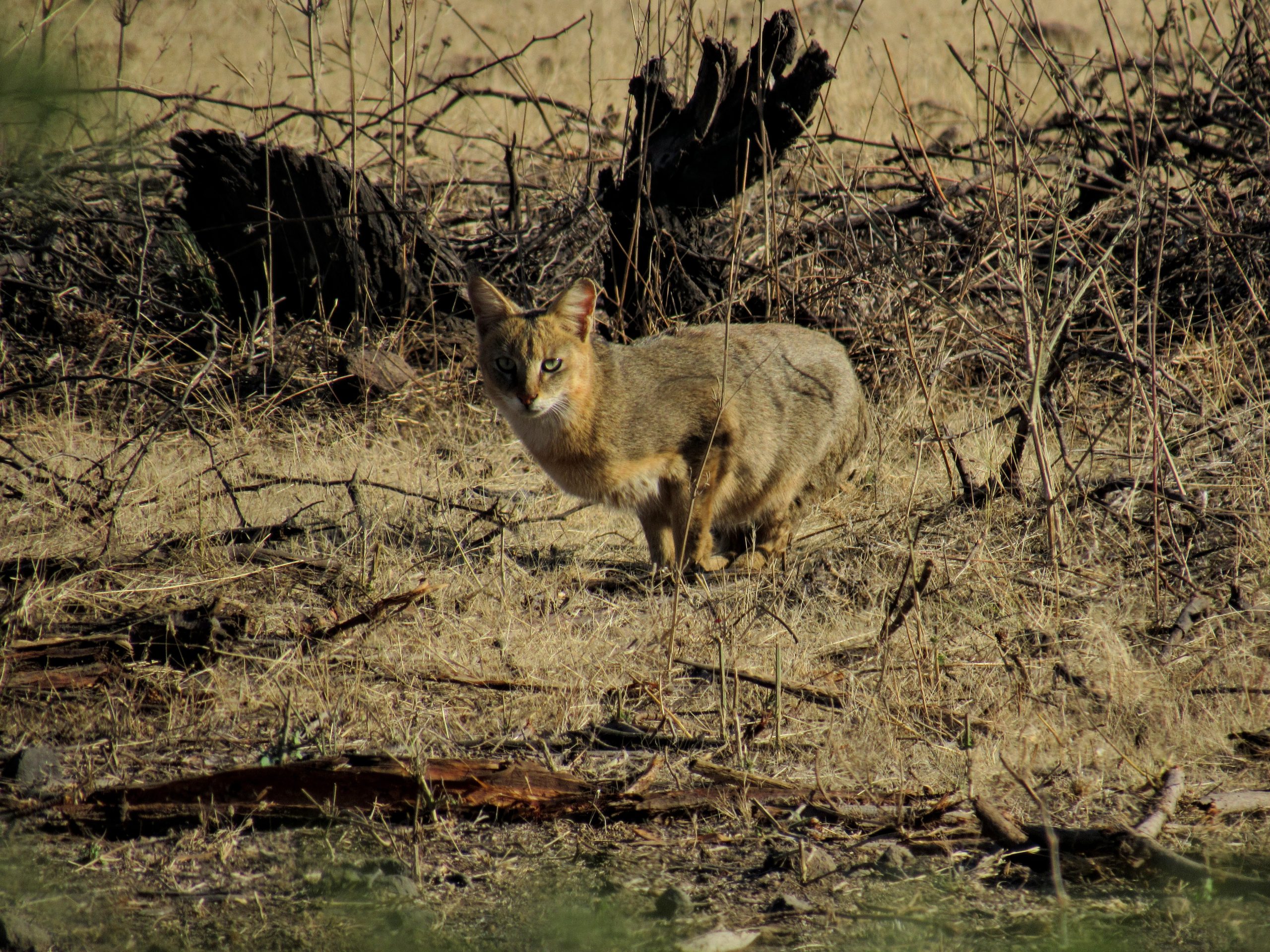
Featured Image: sighting of a jungle cat during 2022 fieldwork

‘Kutch’—what imagery comes to mind when you think of this place in the north-western frontier of Gujarat in India? Perhaps the White Rann—a salt desert, renowned for its immense size. I envisioned this as well. Hailing from eastern India, I could not fathom how the inhospitable desert with long spells of drought and scorching days with no shade to seek refuge under, could sustain any life at all. Kutch had always remained a distant mystery to me.

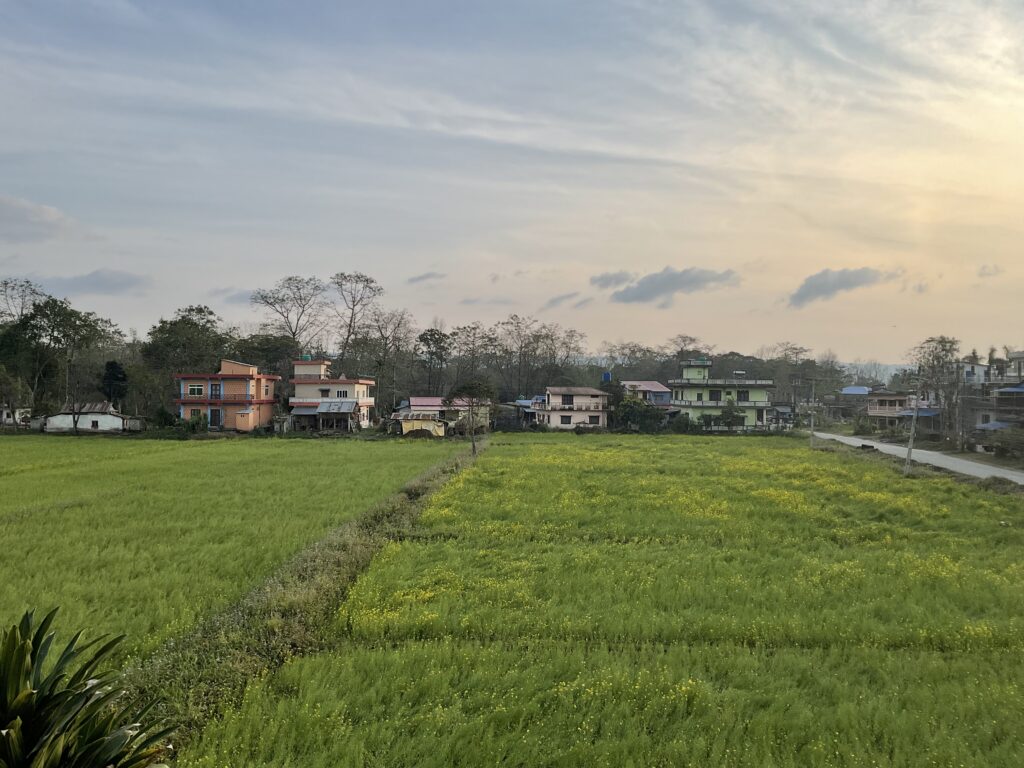
In 2019, an internship took me to the Banni grasslands towards the south of the White Rann. That was when I realised that the ecosystems here were not a monolith; they weren’t cut from the same cloth. Travelling from north to south of the Kutch district, it is impossible to miss the stark shift from the desolate salt desert to the expansive grasslands, then onto wooded hills and ravines, and finally descending to meet the coastline.

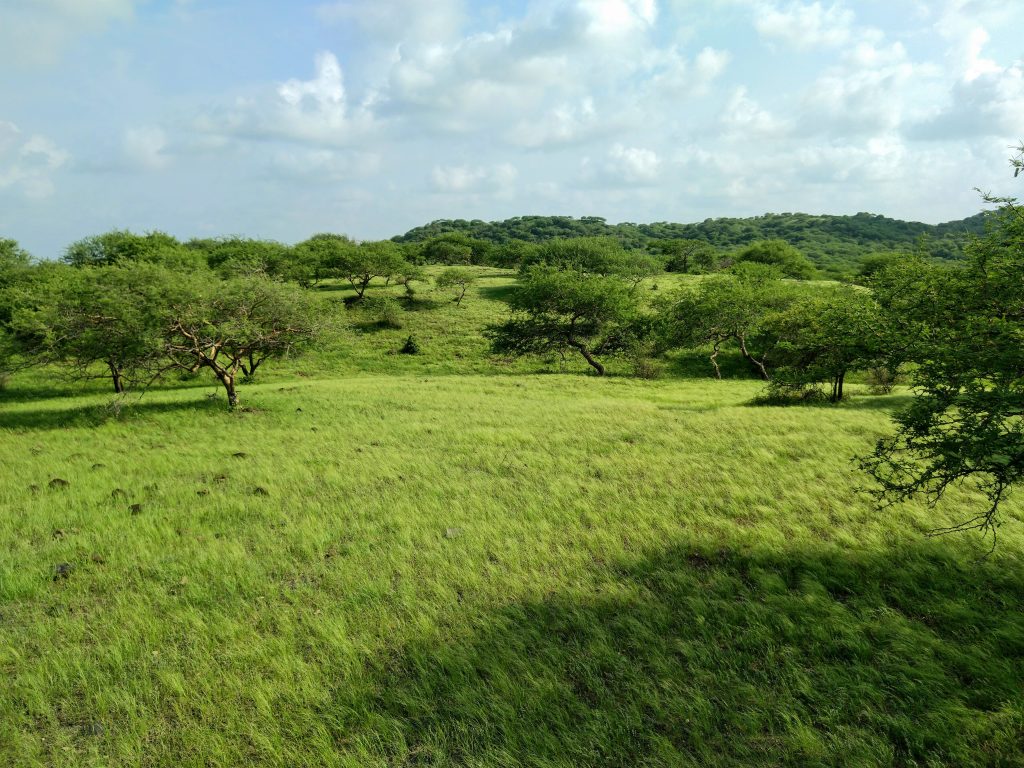
Kutch’s tropical thorn forest habitat is characterised by native Acacia trees on a lush grass bed post monsoon
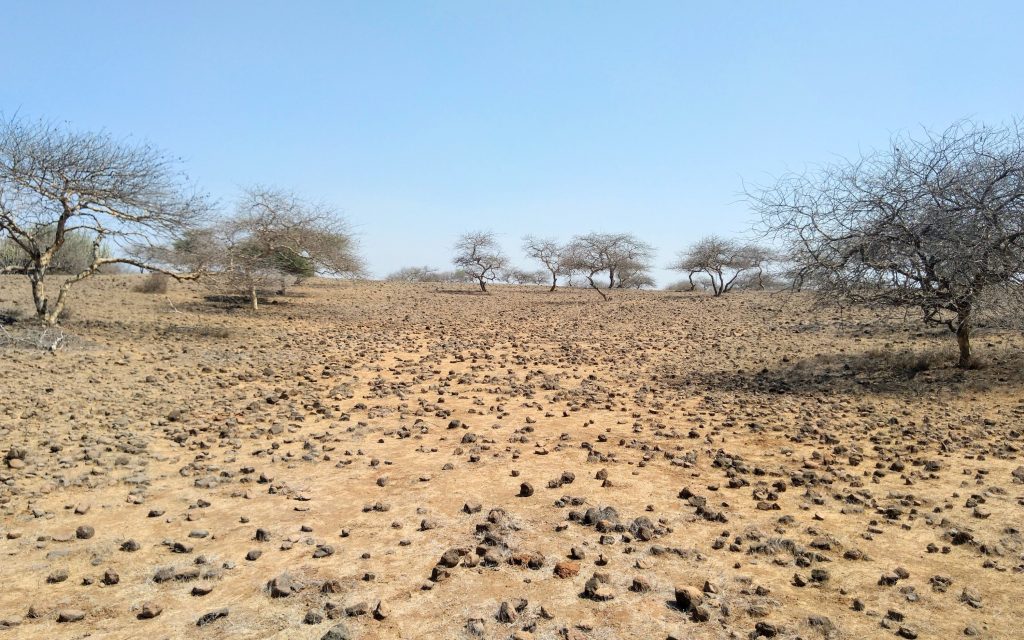
The same habitat looks starkly different in the dry season

The project that I was interning with focussed on meso-carnivores—the smaller yet more diverse and widely distributed relatives of large charismatic carnivores like tigers and lions. Kutch is known to be a haven for meso-carnivores such as jackals, foxes and small wild cats, among others. What adds to its intrigue is that it is also under substantial human use—by pastoral communities such as Maldharis and Rabaris, who have been following their traditional livelihood practices for hundreds of years, with their livestock (cows, buffaloes, sheep, goats and camel) and dogs. My work was largely restricted to a small part of the Banni and I was disheartened that I did not see a single meso-carnivore during my time there. Yet, I was also determined to return, to explore the wider landscape and search for these elusive animals.

Fast forward to 2022, I got the opportunity to return to Kutch. This time around, I was conducting my own research as part of my Master’s dissertation fieldwork in the hills and ravines. My field timeline spanned the dry season—the harshest period in the desert ecosystem when animals must scramble for whatever limited resources are available. My previous experience in this landscape had offered a glimpse of how crucial the land was for humans beyond traditional pastoralism.

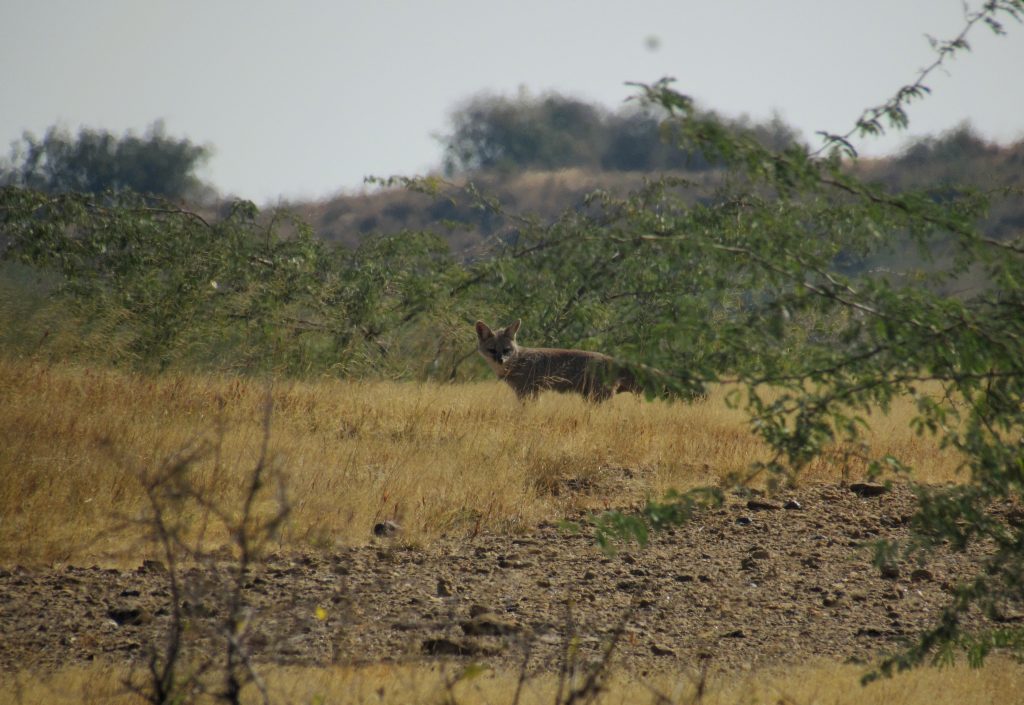
Sighting of an Indian fox during 2022 fieldwork

Agriculture was rapidly becoming a vital means of livelihood, infrastructure projects like mines and renewable energy farms (wind and solar) were on the upswing, and fresh roads were being carved out to facilitate these projects. Pursuing these ventures is relatively easy as much of this landscape retains the colonial tag of a ‘wasteland’ under land use policy. This means that while meso-carnivores may be protected species as per Indian law, their habitats are not. My goal was to understand how numerous species of meso-carnivores managed to share the depleting habitat resources in such an environment. But first, I had to find them.

I went fully equipped with a team of interns and field collaborators, armed with some knowledge of carnivore natural history, camera traps and scat sampling kits. After spending the first few weeks of January 2022 liaising with local villagers, pastoralist communities and the Forest Department, we set out on our search for the meso-carnivores.

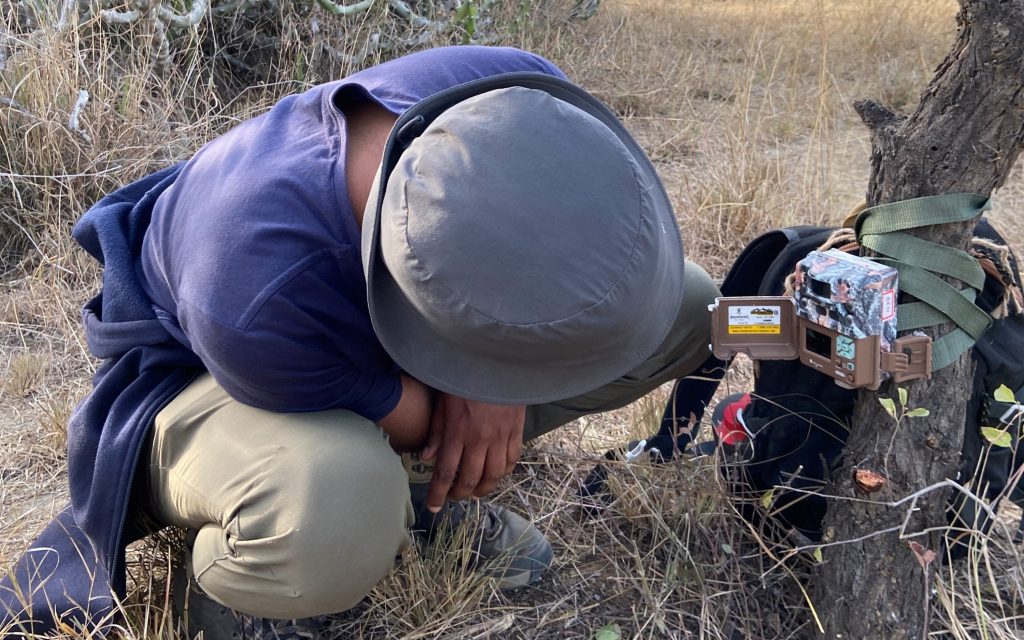
Checking a camera trap for photos of meso-carnivores

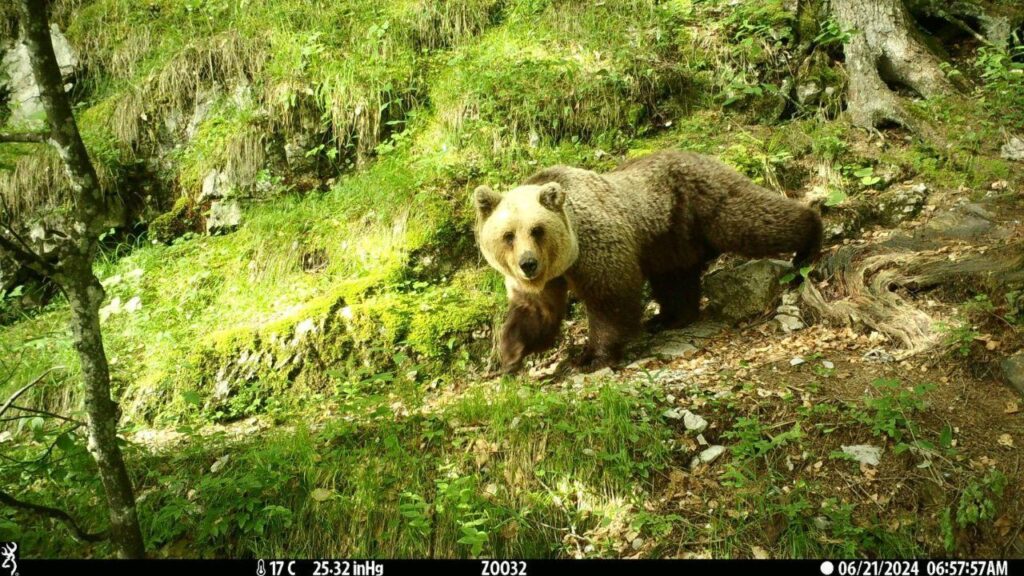
While I had to wait to go back to the lab in Bangalore to genetically ID the scats, the camera traps yielded instant results. In a matter of a few days, we already had multiple sightings and camera-captures of the commoners—golden jackal, jungle cat and Indian fox. We also started encountering smaller carnivores like mongooses and civets, and wild herbivores—chinkara and nilgai. And of course, lots of humans, livestock and domestic dogs. But the rarer species like desert cats and ratels (honey badgers) eluded us.

During one of our routine surveys the following month, we stumbled upon an intriguing find—a set of distinctly ‘floral’ pugmarks, a clear indication that a striped hyena had traversed the same path as ours. We strategically placed a camera trap along the trail, hopeful that the hyena might use the path again. Two days later when we returned to retrieve the camera, it was nowhere in sight. The rope securing it to the tree had been torn. Panic set in––had the camera been stolen?

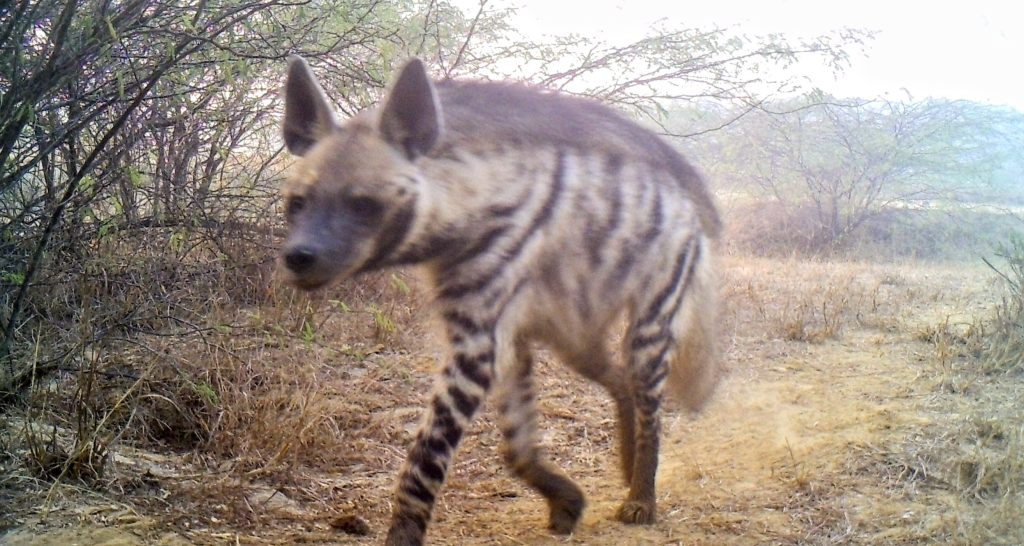
After a thorough search, we found the camera around 70 metres from the original spot. It was damaged and bore tooth marks all over. We excitedly returned to the field station to identify the culprit. As a series of images were unravelled on the computer, it became evident that a striped hyena had indeed encountered the camera during its early morning stroll. Intrigued by the device, it had tried to investigate further, resulting in the camera being dismantled and chewed up. Eventually, it seemed to have lost interest, dropped the camera and moved on.

Photo of the striped hyaena before it noticed the camera trap

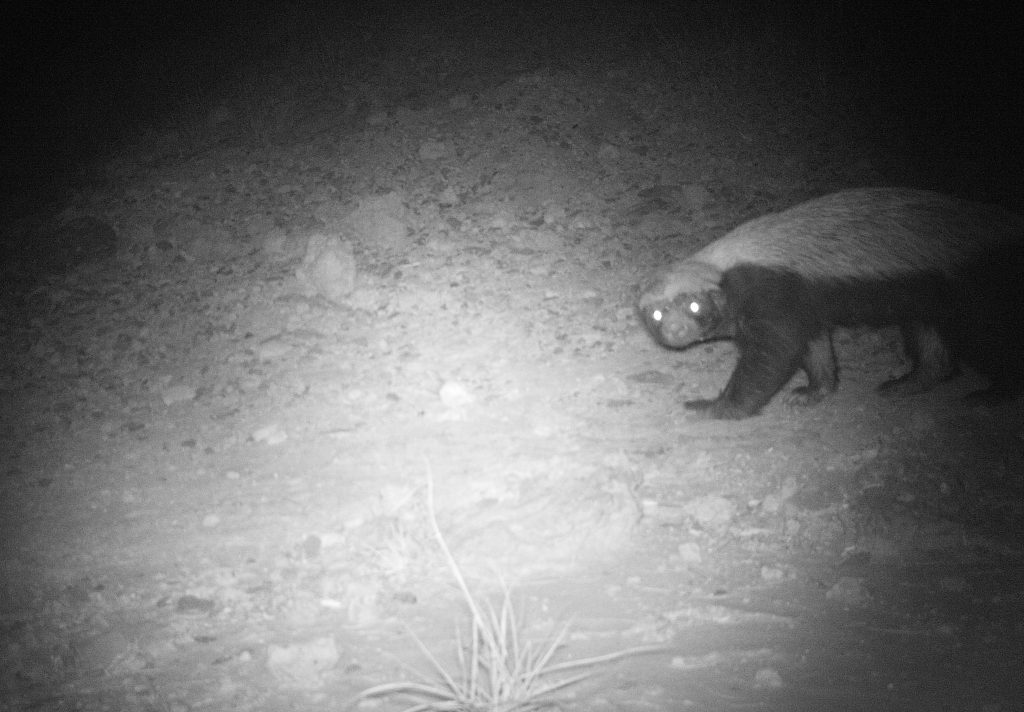
On another day, while climbing up and down in a dry ravine, we chanced upon a scat with an unusual appearance. Investigation of its contents revealed that it belonged to a carnivore that had had a porcupine meal—the scat was full of sharp quills! We were intrigued. What carnivore would risk the sharp quills of a porcupine? Once again, we deployed a camera trap and left it for a couple of days. The first several photos were of hares, porcupines and jackals. Then came the night-time footage of a short, stocky creature—black in colour, sporting a dorsal band of light grey hair. It was a ratel! And as the subsequent photos popped up on the screen, we saw that there was not just one, but two of them together.

Camera trap photo of the elusive ratel

As the days progressed, other rare meso-carnivores like the desert cat and rusty-spotted cat started showing up in our camera traps. But the rarest of them all was still missing. With February nearing its end, the pleasant days of desert spring transitioned into the scorching days of summer heat. The
unbearable heat, coupled with the seemingly lower prospects of finding any newer species, was tiring us out faster than before. Giving up wasn’t an option, and so, with a substantial part of the landscape yet to be surveyed, we soldiered on.

It was now March and we were out checking our camera traps. It was two in the afternoon as we reached the last camera for the day. The sun was at its highest, the air was warm and we were sweating profusely. On reaching a camera, I would always check as many pictures as possible right away. On the small screen of the camera, I struggled to identify the animal in the very first picture. It did not look like anything that we had recorded before. And as my vision adjusted to the glare, I could not believe my eyes. The lean body on long limbs, large ears sporting prominent tufts of black hair––we had photo-captured the caracal, the rarest meso-carnivore of the Indian desert. My teammates and I were thrilled beyond words. The unexpected but fortuitous encounter rejuvenated us and the subsequent two months of intensive fieldwork flew by with a new sense of hope and enthusiasm.

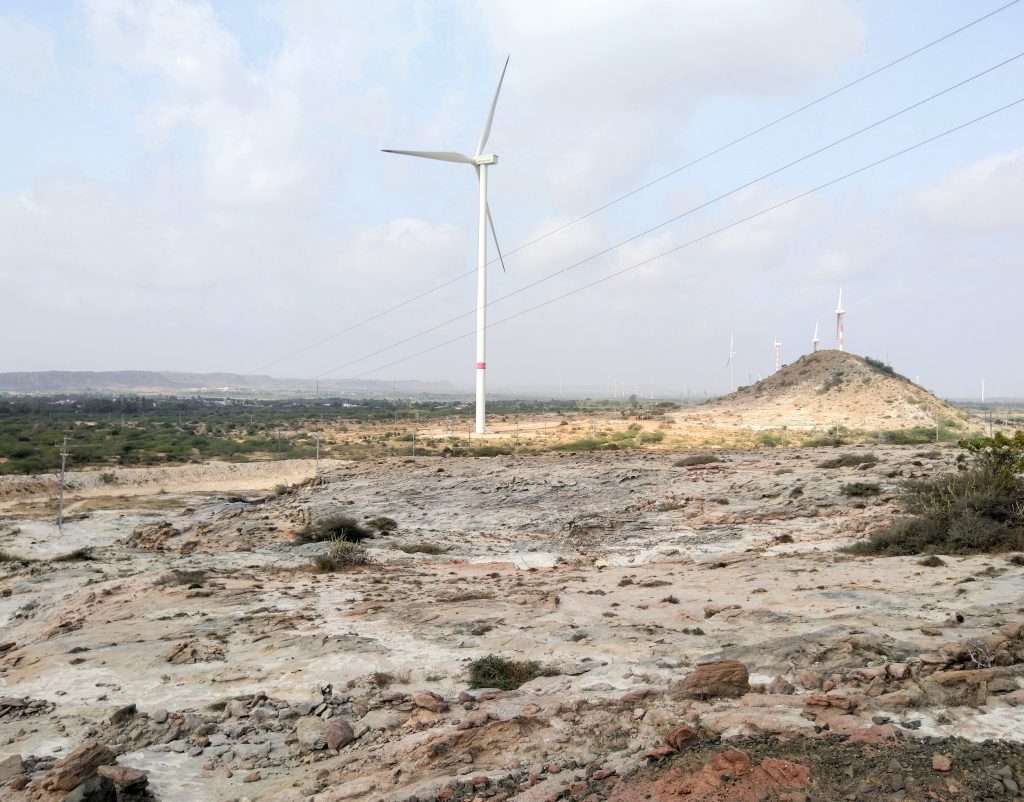
Mining activities and wind farms are expanding in the landscape, stripping it bare of its natural cover of grasses and trees

During my last few days in the field, I could not help but re-think how wrong I was about deserts being ‘inhospitable’. I had recorded a whopping 13 species of carnivores during my surveys. But how do these species adapt to the extreme climate? At the same time, how will the expanding agricultural farms, the roads, the mines, the solar and the wind farms impact this landscape and its carnivores? How can we protect this region and its wildlife without excluding its people? I left Kutch with these questions burning in my mind, hoping to return soon to tackle their answers.

Further Reading

David, P. 2023. In Jaisalmer: gone with the windmills. People’s Archive of Rural India. https://ruralindiaonline.org/en/articles/in-jaisalmer-gone-with-thewindmills/?s=03. Accessed on 27 February, 2024.

Kadambari, D. 2014. India’s Wild West. Personal Blog. https://kadambarid.in/wildlife/wild_kutch.html. Accessed on 27 February, 2024.

Unakar, S. 2018. The Dark Side of Greener Kutch. GOYA. https://www.goya.in/blog/the-dark-side-ofgreener-kutch. Accessed on 27 February, 2024.

Originally published on 08 May 2024

This article is from issue

18.3

2024 Sep

Stickleback (and forth): Evolution and ecosystem restoration

Restoration is defined as the return of an ecosystem to its condition prior to disturbance or degradation. But is restoration ever truly possible? Environmental conditions are constantly changing. So what happens to established ecosystems when a species is suddenly reintroduced?

Watershed restoration projects often occur in waterways that have experienced physical, chemical, and morphological changes caused by human activity. Dams, water diversions, pollution, and run-off can significantly transform ecosystems by impacting the species that can survive and thrive in new and changing conditions.

Across southern California, restoration initiatives have targeted the reintroduction of top predators such as trout or salmon to restore ecosystems to their historic conditions. While transplanting fish increases biodiversity, it can cause detrimental effects on existing species that have adapted and evolved to a habitat free of predators. Conservation efforts must recognise current ecosystem dynamics to holistically address the biodiversity and evolutionary impacts of human interference.

Evolutionary background

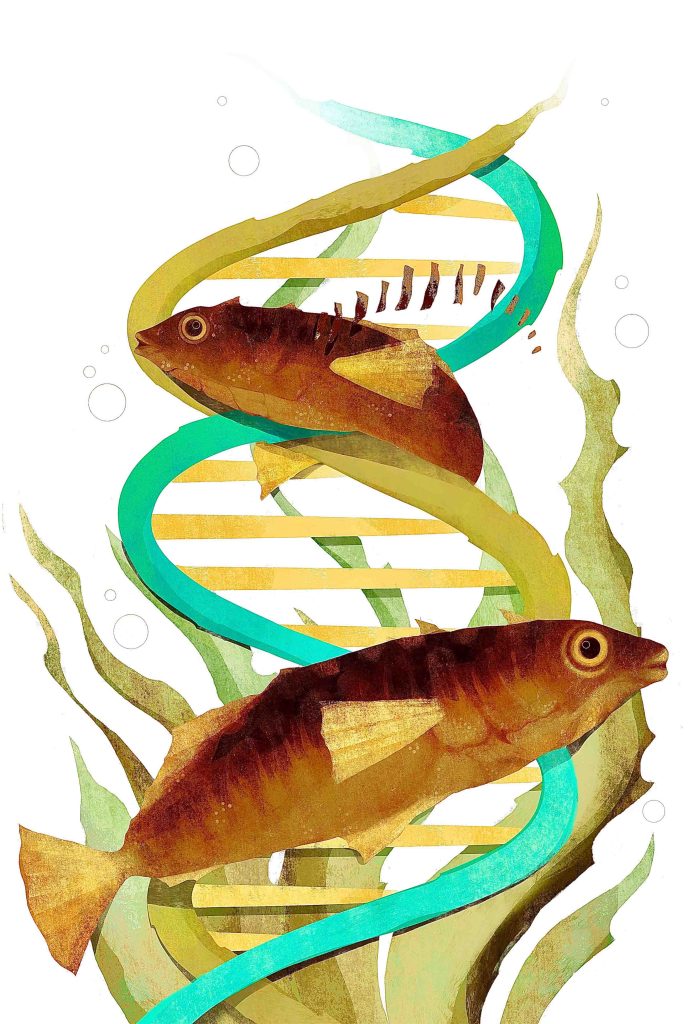
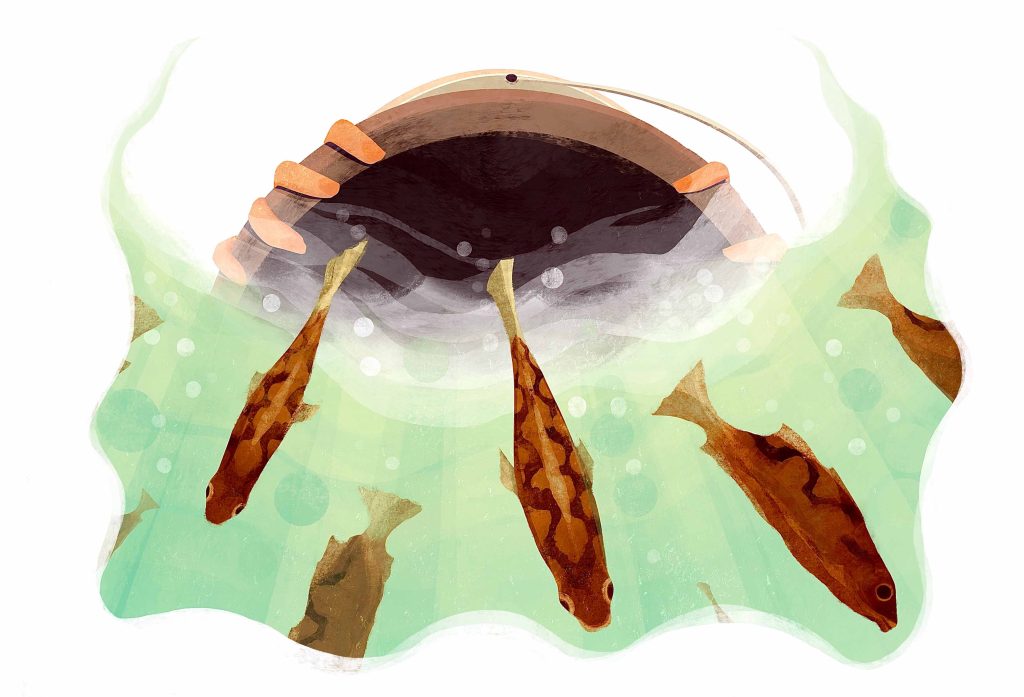
Consider the three-spined stickleback fish. This small freshwater species is found in inland and coastal waterways across southern California and the rest of North America. About 20,000 years ago, ancestral sticklebacks migrated from oceanic to freshwater habitats, mostly occupying lakes, rivers, and streams. This massive environmental shift meant that different populations of sticklebacks now faced new and different predators. While some populations retained a large pelvic fin and protective armour, sticklebacks in freshwater environments with few predators evolved to lose their armour over the course of several generations.

Today, there are 16 recognised and distinct species of sticklebacks globally, two of which are distinct threespined stickleback species. These species have demonstrated physical adaptations rapidly across evolutionary timescales. Due to environmental shifts, resource availability and the presence of predators, three-spined sticklebacks have repeatedly colonised freshwater and oceanic habitats throughout history. As a result, they have expressed evolutionary changes in as few as ten generations.

The movement of the species between oceanic and freshwater environments appears to have made the species uniquely resilient to changing environments and unforeseen threats. The rapid evolution of three-spined sticklebacks has made the species a common subject for studies related to natural selection, especially because modern human-caused disturbances, such as commercial and industrial activity, dam construction and watershed pollution, have influenced such evolutionary processes.

Modern pressures

Habitat alteration can influence evolution and adaptation through the separation of populations which may lead to different environmental conditions, predators, and other threats. Humans have contributed to the evolution of three-spined sticklebacks through the construction of dams and other forms of habitat degradation that separated the fish from their historic predators. Subsequently, many three-spined stickleback populations adapted to rivers without the necessity of anti-predator armour or behaviours.

Barriers such as dams reduce the connectivity of populations by restricting movement. This isolation inhibits breeding opportunities between populations and impacts the genetic diversity of a population. Genetic diversity is important for survival and reproduction, allowing species to adapt to potential environmental changes. Limited breeding opportunities can lead to inbreeding, which decreases population resilience against environmental threats.

In highly industrialised areas, human alterations to water quality can include increased salinity or temperature due to run-off or drainage. While these changes can be detrimental to marine species, some have evolved to accommodate such pressures. For example, juvenile three-spined sticklebacks have displayed tolerance to the introduction of warm and salty water to freshwater habitats, exhibiting faster growth and lower parasite burdens than those in undisturbed freshwater habitats. The uninhibited growth of juveniles in altered environments illustrates the ways in which the evolutionary history of sticklebacks allows for movement between oceanic and freshwater environments with minimal detrimental effects.

Conservation implications

Rapid adaptation does not mean that three-spined sticklebacks are invulnerable to environmental changes. Although they have demonstrated the ability to adapt to a changing environment, populations may suffer in the long term if adaptive benefits are not uniform across all life stages. Threats or stressors may vary from one generation to the next. So, a beneficial adaptation can quickly become a hindrance in the event that environmental conditions change again. Three-spined stickleback populations seem incredibly resilient in the face of human pressures due to learned and evolved behaviours. However, a lasting ecological consequence of environmental disturbance is increased population vulnerability, particularly when restoration efforts occur without addressing recent environmental adaptations.

For example, if three-spined sticklebacks are reintroduced to a restored environment for which they are no longer adapted, or if non-native species are introduced into their range, stickleback populations may be negatively impacted. Populations may be vulnerable to new predators, environmental threats, lack of adequate habitats or nutrients, or newly introduced bacteria and diseases. The acknowledgment of the perceived resilience of the three-spined stickleback must be met with the understanding that the species is not immune to population decline. Three-spined stickleback fish have demonstrated the potential for rapid evolution throughout history. Nevertheless, the compounded effects of environmental destruction and disturbance pose a threat to the resilience of freshwater fish populations. It is also important to recognise that environmental changes caused by human activity occur much more quickly than natural species migrations or physical environmental shifts.

The migration of three-spined sticklebacks from oceanic to freshwater environments resulted in the loss of their protective armour, hind fins, and anti-predator behaviour because of reduced predation in lakes and streams, typically attributed to overfishing of predators or dam construction that separated species. However, predatory fish have been reintroduced to some fresh water environments to diversify riverine ecosystems.

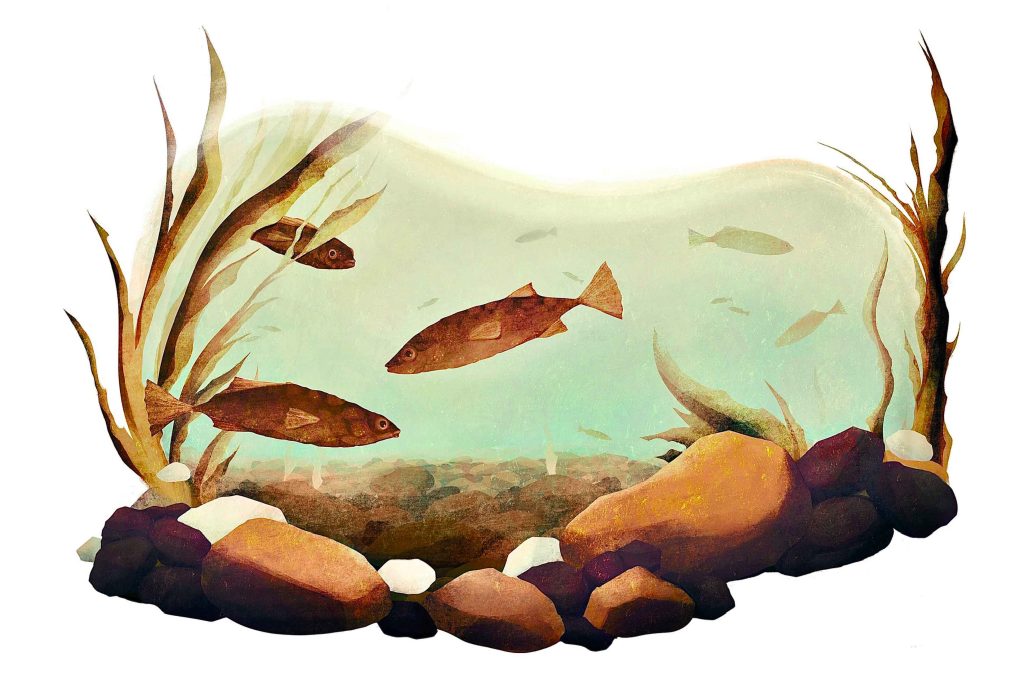
The reintroduction of predators can lead to “reversed selection” in the three-spined stickleback, where the fish responds to changing environmental conditions with an increase or decrease in armoured plates within just a few decades. They have been observed to exhibit forms of more or less armour, some even resembling previous generations, in response to changes to their ecosystems and predators. Therefore, the reintroduction of predators into lakes and streams to increase biodiversity can have inadvertent evolutionary impacts on existing populations. In the same way that three-spined sticklebacks may experience adverse impacts due to the introduction of non-native species, the reintroduction of predators can present sudden and significant pressures on an ecosystem in which species have already adapted to the absence of predators.

Stocking predators in rivers full of unarmored sticklebacks can result in a ‘genetic bottleneck’—an event that significantly reduces the population size of a species, resulting in limited genetic diversity. Human disturbances such as agricultural activity, run-off, oxygen consumption, or pollution can also cause genetic bottlenecks. Populations of three-spined sticklebacks in polluted freshwater environments have experienced bottlenecks, inbreeding, and reduced genetic diversity. A lack of interbreeding and genetic mixing creates the potential for isolation that reduces a population’s resistance to certain pressures. Bottleneck events can be catastrophic for marine populations when low genetic diversity results in mass vulnerability to diseases.

Conservation in context: Case studies from California

In 2015, three-spined sticklebacks were reintroduced to Mountain Lake in Presidio, California, by transplanting the fish from a single nearby population. The three-spined stickleback is the only fish species native to Mountain Lake, but the introduction of predatory fish throughout the 20th century led to dwindling populations and unprecedented habitat loss. This reintroduction effort was an element of a larger holistic strategy to restore and enhance fish populations in the lake, hinging on the role of the three-spined stickleback as a critical host species for California floater mussels.

However, in 2020, nearly all of the reintroduced population died due to exposure to disease. The deaths were associated with low genetic diversity caused by bottleneck due to translocation. In response to this die-off, a second reintroduction has been planned with the inclusion of sticklebacks from multiple nearby populations with the hopes that increased genetic diversity will improve the population’s resistance to disease and other threats. Therefore, although genetic isolation and bottleneck events do not necessarily have a significant impact on reproduction, a lack of genetic diversity can leave populations vulnerable to calamitous circumstances.

Beyond genetic diversity considerations, hydrological conditions are a critical element of a comprehensive strategy in reintroduction efforts. In 2014, for example, several populations of three-spined sticklebacks were translocated within California from the Santa Clara River to the Santa Francisquito Creek due to extreme drought conditions that diminished available habitat. Translocation efforts identified sites in the creek with reliable water flows and compatible habitats, and fish were gradually acclimated to the new release waters prior to translocation. However, even after rescue efforts, prolonged extreme drought caused vast portions of the Santa Clara River to become uninhabitable for the three-spined stickleback. Monitoring efforts continued in the years following release, but drought, debris build-up in the creek and complex hydrological and morphological features have resulted in minimal observations of three-spined stickleback populations. In many cases, populations were unable to migrate or recover from unforgiving drought conditions.

In the context of reintroduction and restoration, the preservation of genetic diversity and healthy populations must be considered in relation to their evolutionary potential. Further, the physical conditions of the reintroduction site—including the presence of other species, hydrological conditions, and climatic hazards—greatly influence the health and mortality rates of the reintroduced species. Despite the astounding rapid changes that can occur among three-spined sticklebacks, predator introduction and species translocation present a sudden and considerable threat. Populations may be able to adapt over time, but they may not be able to recover.

Conservation considerations

How, then, can we restore ecosystems without causing catastrophic damage to existing populations? Conservation efforts and watershed management ought to consider the genetic diversity and evolutionary patterns of resident species, such as the three-spined stickleback, before causing physical alterations to a riverine habitat or reintroducing native predators to an environment. They must also consider how an environment has changed over time, how resident species have adapted to current conditions, whether current populations can handle sudden environmental shifts or an influx of predators, how human interference may support biodiversity, and the evolutionary implications of human interference.

Reintroduction is dependent on numerous variables within a particular environmental context. Differences in water quality and chemical composition, the presence of dams or non-native predator species, and the regional climatic conditions that present environmental hazards, for example, can dictate the health and productivity of reintroduced species. These variables may change depending on context—human-imposed habitat fragmentation via barriers often occurs along rivers, while the introduction of non-native species is commonplace in lakes. While the three-spined stickleback may be native to waters across the world, its ability to survive under particular conditions and stressors is dependent on a holistic approach to reintroduction that maintains a balanced ecosystem.

Connectivity is an increasingly prevalent topic in conservation, particularly in the context of urban rivers and streams where water pollution and habitat fragmentation lead to cascading impacts on watershed ecosystems. In the case of three-spined sticklebacks, changes in connectivity have led to rapid and measurable adaptations that can lead to population vulnerability. By incorporating predator-prey dynamics and long-term monitoring of ecosystem restoration planning efforts, conservation managers and practitioners can preserve biodiversity without causing cascading environmental impacts to populations and food webs that have adapted to a predator-free environment.

Further Reading

Begum, M., V. Nolan, and A. D. C. MacColl. 2023. Ecological constraint, rather than opportunity, promotes adaptive radiation in three-spined stickleback (Gasterosteus aculeatus) on North Uist. Ecology and evolution 13(1): e9716. https://doi.org/10.1002/ece3.9716.

Santos, E. M., P. B. Hamilton, T. S. Coe, J. S. Ball, A. C. Cook, I. Katsiadaki and C. R. Tyler. 2013. Population bottlenecks, genetic diversity and breeding ability of the three-spined stickleback (Gasterosteus aculeatus) from three polluted English Rivers. Aquatic toxicology 142-143: 264-271. https://doi.org/10.1016/j.aquatox.2013.08.008.

Lavelle, A. M., M. A. Chadwick, D. D. A. Chadwick, E. G. Pritchard and N. R. Bury. Effects of habitat restoration on fish communities in urban streams. Water 13(16): 2170. https://doi.org/10.3390/w13162170.

Originally published on 13 May 2024

This article is from issue

18.3

2024 Sep

Bullfrogs and native amphibians: Four lessons about evolution

It is a quiet evening on Hazel Wolf Wetlands—a wildlife refuge located near Lake Sammamish, Washington. The sun is almost down. The light breeze from the wetland makes me feel chilly. I close my eyes and listen. Conk-la-ree! calls the red-winged blackbird from the bushes. Wibit! Wibit! responds frogs. The place is so calming. It takes me away from the hustle of the city and brings all my thoughts to this pond.

It feels like this pond, surrounded by a quickly and dramatically changing urban landscape, hasn’t changed much in the past centuries. Yet I know this is a deceptive impression. If we only knew where and how to look, we would see the drama of species extinctions and introductions and the intricacies of species interactions unfolding here. We can witness a process that has been shaping life on Earth from the beginning of time.

Ongoing change

Many of us, including myself, used to think about evolution as a process that takes thousands of years. However, sometimes it can occur very quickly, within just a few generations. Scientists even have a special term for it—rapid evolution. As evolutionary biologist Theodosius Dobzhansky once said: “Nothing in biology makes sense except in the light of evolution.” Biodiversity conservation is no exception. If we want to save a species, we have to understand what evolutionary processes it undergoes. Otherwise, the conservation programmes might bring unexpected and undesirable results.

In wetlands such as Hazel Wolf, many native species of frogs and salamanders share their home with the invasive American bullfrog (Lithobates catesbeianus). It was brought to the Pacific Northwest a century ago and reared to consume frog legs. Husbandry farms in the region sunk into oblivion long ago. Bullfrogs have stayed, however. Establishment of exotic species in new habitats that have a negative impact on the ecosystem are called biological invasions. Worldwide, bio-invasions are one of the largest drivers of biodiversity loss. Bullfrogs impact native species of amphibians through predation, competition for food and novel diseases. At the same time, novel interactions between invaders and local ecosystems can give us valuable insights into the process of evolution. We could use these insights to inform more effective conservation efforts. 

Let’s take a closer look at our wetlands. They can teach us valuable lessons about evolution and conservation!

Lesson one: It doesn’t take many, or What do the population of bullfrogs and the phoenix bird have in Common?

Whether we want it or not, bio-invasions in a globalised world happen frequently. There is hardly any ecosystem that has not been impacted by invasive species. But how exactly do they happen? And how many individuals does it take to establish a new population? The answers vary greatly for different species.

Imagining bullfrog invasions, I had always pictured hundreds of bullfrogs escaping a frog leg farm. I was mistaken! Astonishingly, as few as six female bullfrogs can start a new colony. Prolific bullfrogs can travel long distances to colonise new habitats, and females can lay as many as 20,000 eggs. All of these make eradicating an established bullfrog population a daunting task. Eradication efforts through trapping are labour intensive, expensive, and often fail— especially when undertaken alone. Take one, and two will come.

Do you remember the mythological phoenix bird—a symbol of immortality and resurrection? Similar to a phoenix rising from ashes, a bullfrog population, once established, resurges again and again. However, it does not mean that nothing can be done to reduce the threat that bullfrogs pose to native animals. If we cannot eradicate them, we can still control their population. Trapping, combined with pond draining or collection of egg clutches can be used to keep bullfrog populations at bay. Prevention, though, is the most effective conservation measure. Knowing that just a few individuals can start a new colony is a good reason not to release pets into a wild pond.

Lesson two: Genetic adaptations to new diseases are key to survival 

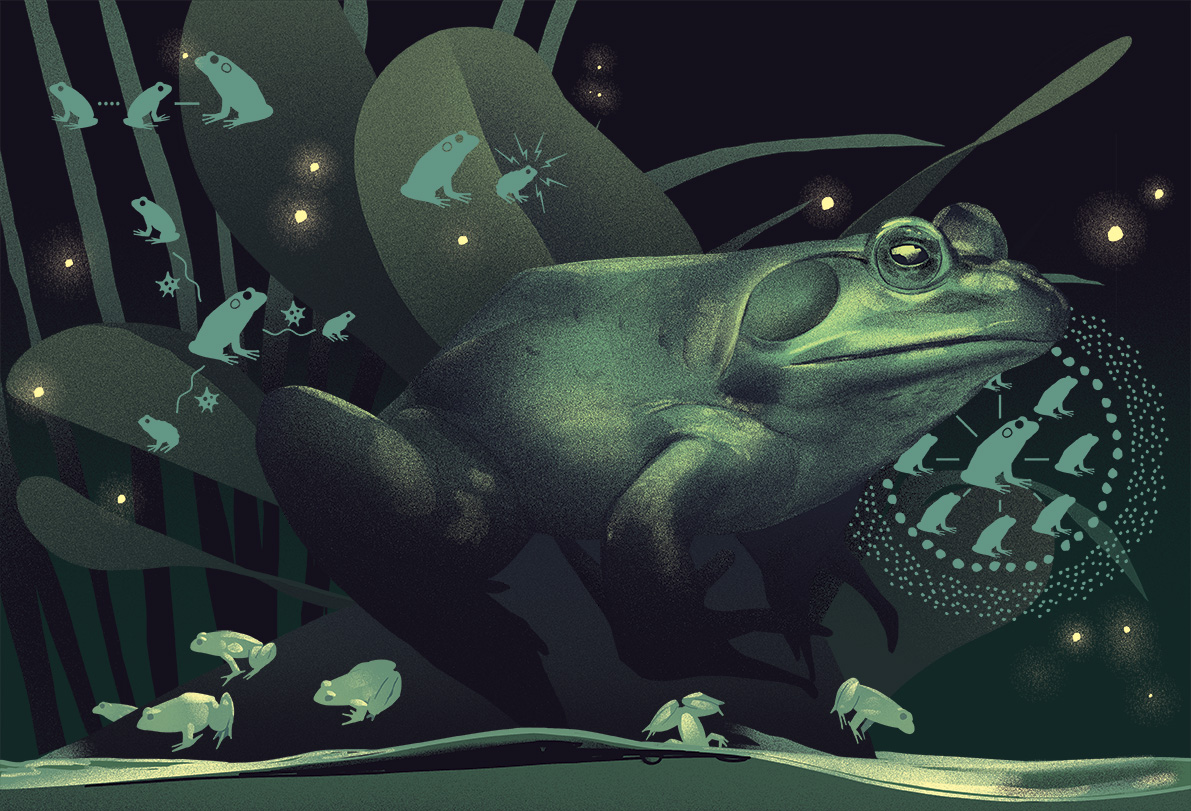
When bullfrogs establish new colonies far away from their native range, they encounter new predators and diseases. Bullfrogs’ genes that code for immune response to pathogens can reshape quickly to better resist local pathogens, allowing their immune systems to adapt to the new environment. These changes in immune genes are heritable and are a great example of contemporary evolution. This makes bullfrogs successful invaders. Ironically, it also makes them a good vector for spreading diseases.

Contagious diseases are a global threat to amphibians. Amphibians breathe through their skin, so skin diseases can be especially detrimental. Hence, all amphibians have skin secretions that protect them from pathogens. The antimicrobial properties of secretions differ greatly between species. They serve to best protect amphibians from pathogens they have evolved with, offering very little defence against new pathogens.

Chytridiomycosis is a skin disease in amphibians caused by a certain strain of a chytrid fungus. Bullfrogs likely carry the strain of the pathogen responsible for this disease in amphibians. Similar to travellers who might carry and unknowingly spread new variants of disease between countries and continents, invasive bullfrogs can carry and spread chytridiomycosis to previously uninfected ecosystems. Bullfrogs, meanwhile, co-evolved with this pathogen and are more tolerant to it than other amphibian species.

The ability of bullfrogs to spread chytridiomycosis explains why some communities of native amphibians experience more negative consequences than others amid bullfrog invasion. Communities of native amphibians with a different strain of chytrid fungus circulating usually have some level of immunity to chytridiomycosis and are less impacted. But communities that have had no exposure to chytrid fungus are more susceptible to severe declines and extinctions in the event of an outbreak.

For conservation managers, it adds a whole new level of complexity. With intensive efforts, an invasive bullfrog population can be controlled, minimising the impact of predation and competition on native species. But outbreaks of chytridiomycosis are hard to manage and have the potential to decimate entire populations of native amphibians.

Lesson three: It is not only bullfrogs who are adapting to the new environment. Native amphibians are adapting too!

Bullfrogs are voracious predators that will eat everything that will fit into their mouths. Unfortunately, most native amphibians fit the bill. If bullfrogs are present in the ecosystem, native amphibians have to find ways to avoid predation. Those amphibians who are more successful in avoiding predation and competition for food will have a better chance of reproducing.

Many species of frogs can ‘scent’ chemicals of predators they co-evolved with. However, if a predator is a new and unfamiliar species, it won’t be recognised as a predator. For example, in ponds where a population of bullfrogs has been present for decades, tadpoles of California red-legged frogs (Rana draytonii) could detect their presence nearby and take shelter, but tadpoles from ponds free of bullfrogs did not exhibit the same behaviour. Interestingly, this behaviour is heritable.

This provides a glimmer of hope for the conservation of native amphibians, while also raising many questions that are yet to be answered. For example, can the population of native frogs be “taught” how to avoid bullfrogs? In theory, a relatively new conservation strategy called ‘targeted gene flow’, might benefit some species of native amphibians facing the bullfrog invasion. It involves the translocation of individuals with a favourable trait to populations that will benefit from this trait. The introduction of native amphibians who can already ‘smell’ bullfrogs and avoid them in a bullfrog-naive population can help the latter acquire this desired genetic adaptation.

Lesson four: Strong sexual preferences can lead to big troubles

Yes, you read it right. Males of red-legged frogs and Oregon spotted frogs (Rana pretiosa) prefer larger females for breeding. Who can blame them? In a harsh natural world, reproductive success is the main measure of success. Larger females mean more offspring. Mating with more fecund females has always been a beneficial strategy for males. At least, until bullfrogs arrived. Juvenile bullfrogs slightly resemble mature red-legged frog females, with one caveat—they are bigger. This makes them more attractive and almost irresistible to male red-legged frogs.

Not surprisingly, males are reluctant to mate with females of their own species. Instead, male red-legged frogs favour young bullfrog females. It is detrimental to reproductive success, as no offspring could be born from such courtship. It also puts males in great danger because mating with juvenile bullfrogs usually lasts longer—this might sound like a good thing in some circumstances, but not in a pond full of predators. Longer mating time increases the chance of males being eaten by adult bullfrogs or other predators. This behaviour poses a problem for conservation. With an increase in the number of bullfrogs in the habitat of Oregon spotted frogs or red-legged frogs, the higher the chances of males preferring to mate with juvenile bullfrogs, and sharper the population decline.

The sun sets in the Hazel Wolf Wetlands. As soft downs envelop the landscape, I reflect on how everything is interconnected, and how complex yet delicate the natural world is. I think about the ongoing changes in Hazel Wolf, how amazing bullfrogs are in their ability to adapt, and the whole new level of complexity that the evolutionary perspective brings to conservation.

It turns out that invasive bullfrogs impact native communities not only through predation and competition, but also by spreading new diseases and disrupting the reproductive process. We have to address these new threats to protect local ecosystems. If we fail to consider contemporary evolutionary processes in amphibian conservation programmes, the results of these programmes might be different from the expected outcomes.

Further Reading

Anderson, R. B. and S. P. Lawler. 2016. Behavioural changes in tadpoles after multigenerational exposure to an invasive intraguild predator. Behavioural ecology 27(6): 1790–1796.

D’Amore, A. N, E. Kirby and V. Hemingway. Reproductive interference by an invasive species: an evolutionary trap. Herpetological conservation and biology 4(3): 325–330.

Yap, T. A., M. S. Koo, R. F. Ambrose and V. T. Vredenburg. 2018. Introduced bullfrog facilitates pathogen invasion in the western United States. PLOS ONE 13(4): e0188384.

Originally published on 13 May 2024

This article is from issue

18.3

2024 Sep

A thrilling evolutionary murder mystery

It is the year 1830, and the scientific atmosphere in England is charged. Charles Lyell, a geologist whose work later influenced the young and impressionable Charles Darwin, is making waves in the scientific community. Lyell had just proposed a bold theory of species extinction via gradual changes in the landscape across millions of years. It defied the long-standing theory of extinction by sudden catastrophic events, as put forth by Georges Cuvier.

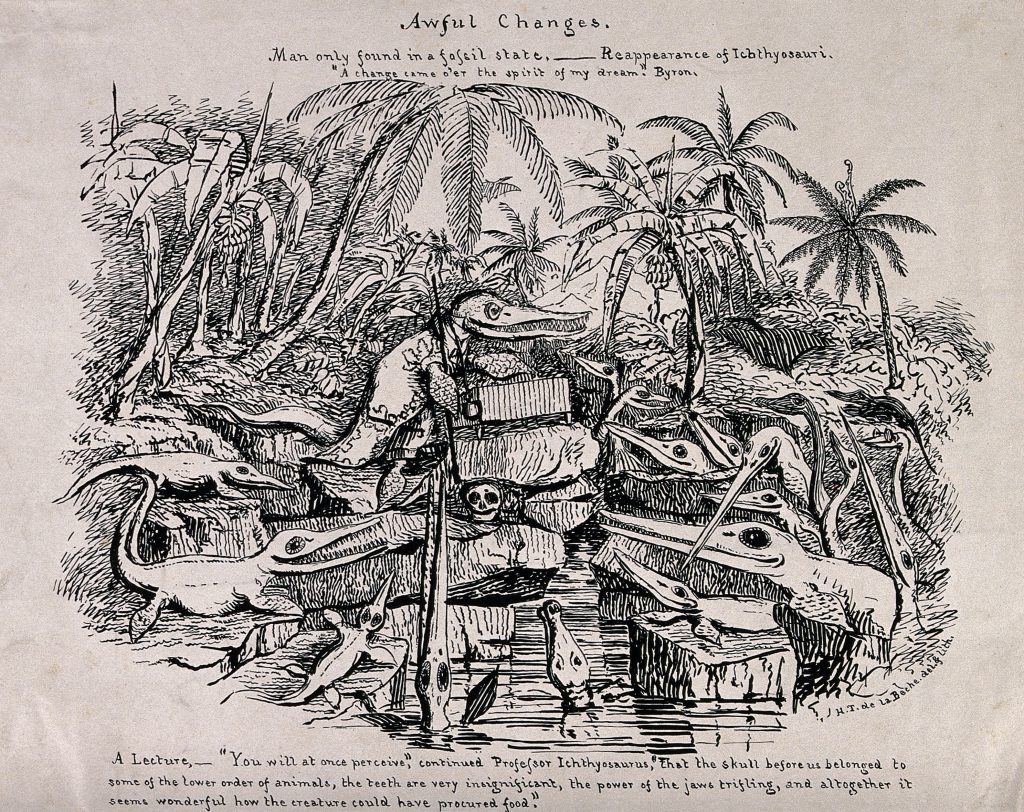
However, Lyell also mocked the idea of a fixed direction in the history of life, as propounded by Cuvier. He reckoned that the sequence of mammals arriving before reptiles and amphibians is not set in stone, contrary to what fossil records suggest. Extinct reptiles such as Ichthyosaurus can, under suitable conditions, reappear to reclaim the seas. In a hilarious rebuttal, Henry De La Beche, a fellow geologist, drew a comic titled “Awful Changes” starring a reappeared Ichythyosaurus donning a pair of spectacles and giving lessons to fellow Icthyosaurs on the extinct Homo sapiens:

“You will at once perceive that the skull before us belonged to some of the lower order of animals; the teeth are very insignificant, the power of the jaws trifling, and altogether it seems wonderful how the creature could have procured food.”

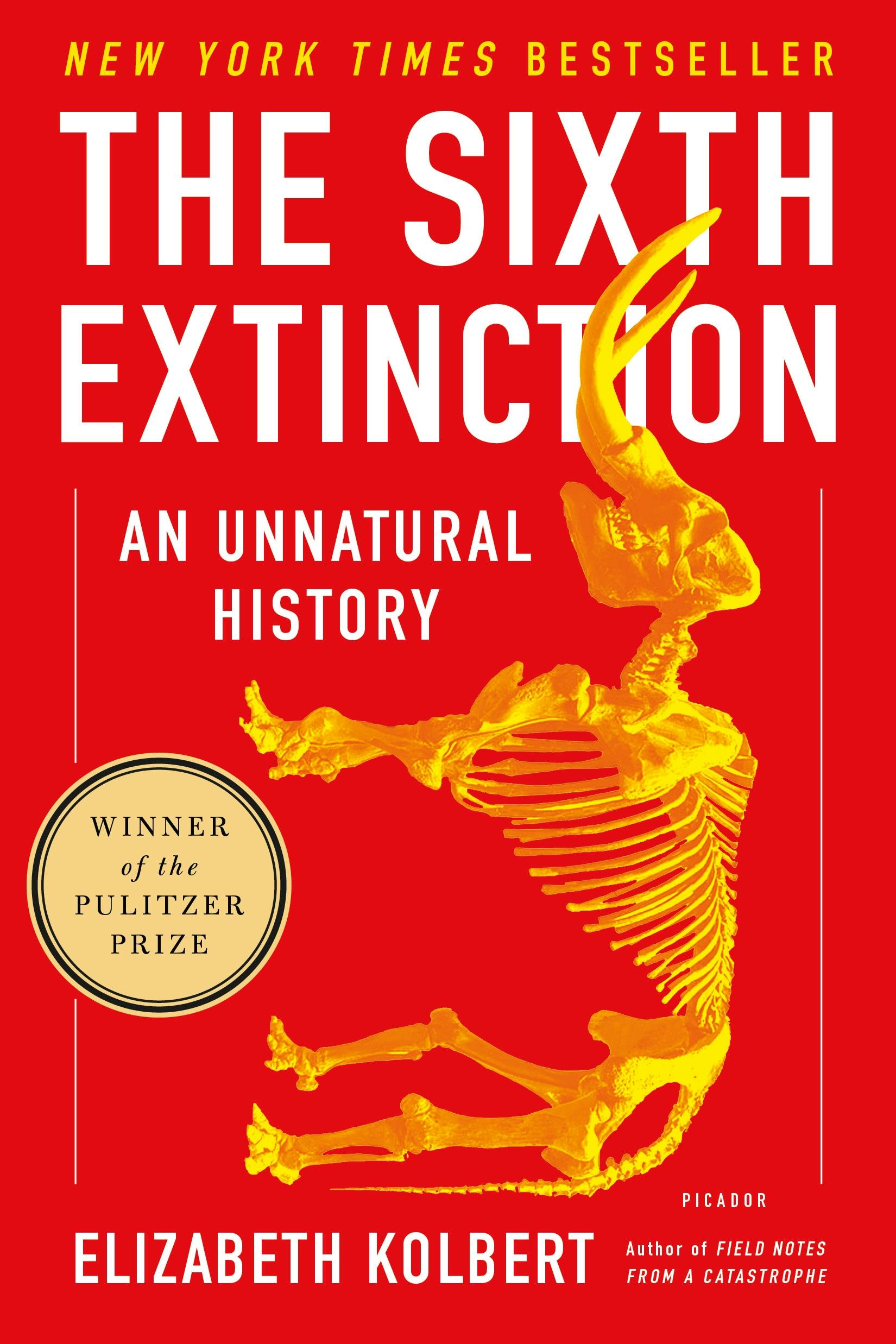
It is not just a dig at humans or the concept of resurrecting species but also at Charles Lyell and his nearsightedness. Such tussles in the scientific world serve as occasional subplots in The Sixth Extinction written by Elizabeth Kolbert and published by Henry Holt and Company in 2014. Kolbert uses these tidbits of history as a springboard to the main plot of the book, which concerns contemporary human-driven extinctions due to global warming, ocean acidification, habitat fragmentation and invasive species.

Kolbert begins each chapter by transporting us to a place and a time, be it on top of a ridge in the present-day Peruvian Andes or off the coast of Iceland in the 1800s. She describes the tell-tale signs of our influence on the landscape and its biodiversity through her own observations and conversations with scientists. Every chapter also features a species on the brink of extinction or already lost from our world.

Ichthyosaurs attending a lecture on fossilised human remains. Lithograph by Sir Henry de la Bèche, 1830, after his drawing. Image credit: Wellcome Images, a website operated by Wellcome Trust, a global charitable foundation based in the United Kingdom

Starting with scores of frogs mysteriously dropping dead across the Americas and Australasia, Kolbert traces their downfall and that of other species to a few culprits across 12 of the book’s 13 chapters. She scrutinises each culprit’s fingerprint in the present and past eras. During one of her many explorations, we learn that the oceans we are swimming in today are nearly 30 percent more acidic than they were during pre-industrial times. Global temperatures are around two degrees higher than they were two centuries ago. However, the clincher is that these levels are no strangers to our planet.

Many pages of life on Earth are filled with gorier periods of global warming, ocean acidification and ecosystem collapses. So, what is the difference between the past and the current extinctions? Does it matter if humans or a giant asteroid are to blame? Don’t the consequences remain the same?

This book provides some clarity to these questions. Kolbert masterfully draws parallels between the extinctions of the past and what we are witnessing today. She eases even the most novice of her readers to complicated subjects by starting with something familiar and slowly building her way to the unfamiliar. Her liberal use of analogies allows us to navigate through complex concepts seamlessly. In one such instance, she uses a construction analogy to describe how carbonate ions needed to build coral reefs—in the form of calcium carbonate—are increasingly sequestered as carbonic acid in our relatively acidic oceans: “Imagine trying to build a house while someone keeps stealing your bricks.” Such analogies make for a light read, even for people who find science daunting.

Aside from the writing style, the content itself is diverse and global. However, as a South Asian, I would have liked to see reportage from the Indian subcontinent. Its absence reflects the dearth of datasets and field studies in the region despite having some of the world’s richest assemblage of flora and fauna. Nonetheless, Kolbert manages to underscore the global scale of the issues without mentioning South Asia. Further on, while discussing the extinction of large mammals such as mammoths, she describes how these extinctions coincided with the transcontinental spread of our species. She cursorily mentions an alternative theory of fluctuating climate without delving into the supporting evidence for the same. However, we have proof of recent ice ages restricting the ranges of these large mammals, with humans administering the final blow.

Despite a few shortcomings, Kolbert keeps her readers hooked throughout the book as if she is writing a thrilling murder mystery. However, unlike the macabre atmosphere of such novels, she adopts a matter-of-fact tone with some glints of drama and, surprisingly, humour for a rather grim subject. Her conversations with scientists are the only time we sense a tone switch. She alludes to the emotional turmoil researchers often experience when witnessing the large-scale demise of their beloved group of species. On the approaching extinction of coral reefs, she quotes J. E. N. Veron, a former scientist at the Australian Institute of Marine Science:

“A few decades ago, I, myself, would have thought it ridiculous to imagine that reefs might have a limited lifespan. Yet here I am today, humbled to have spent the most productive scientific years of my life around the rich wonders of the underwater world, and utterly convinced that they will not be there for our children’s children to enjoy.”

You will appreciate Veron’s sentiments better after reading Kolbert’s beautiful take on coral reefs. Her comparison of coral reef ecosystems to “underwater rainforests” in the middle of a “marine Sahara”—followed by her justification for this imagery—evokes a sense of sadness at the thought that these ecosystems may not be around for long.

What stood out for me are a few occasions where Kolbert contemplates her place in the larger scheme of life. One such golden nugget is while she is collecting water samples at night in the Great Barrier Reef. All around her is darkness stretching from horizon to horizon; all she can see are the mighty stars above her. “The reason I’d come to the Great Barrier Reef was to write about the scale of human influence. And yet Schneider and I seemed very, very small in the unbroken dark.”

Another moment is amongst army ants in the Amazon. She felt one needed to “paint oneself into a corner” to witness army ants in their millions, marching through the forest floor and ravaging anything along the way—including you if you panicked! Her description of our current era, reduced to a sediment layer no thicker than a “cigarette paper” in an unimaginably distant future, knocks out any lingering egocentric tendencies of a haughty reader.

You will soon realise that this book is not just about mighty army ants, dying frogs or breathtaking coral reefs. It is about all the rabbit holes of patterns that lost species of the past, present and future have fallen into, leading to their inevitable demise. It is about how extinction is a normal, slow-paced process, but also how the rates on a few rare occasions have shot sky high and brought life on Earth down to its knees. It is about the story of generations of scientists before us and their struggle to accept the concept of extinction, something Kolbert notes that even three-year-olds take for granted today as they play with their dinosaur figures. It is also about the extraordinary effort mankind has embarked on to save what is left, the tremendous irony of which you will appreciate after reading this book.

While we are almost sure that the extinct Ichthyosaurus will not reappear, Jan Zalasiewicz, an expert on extinct graptolites, predicts that giant rats will take over the world when the dust settles and the sixth extinction runs its course. He reckons a species or two may start “living in caves” and “wearing skins of other mammals” they kill to cover their nakedness. Henry De La Beche might have been more accurate if he had sketched Prof. Rattus magnum instead of Prof. Ichthyosaurus.

This article is from issue

18.3

2024 Sep

Sitting on the wings of a butterfly

The first time I heard the term butterfly tagging, I was intrigued. I had heard of mammals and reptiles being tagged to help biologists understand their movements and behaviour, but what could one possibly attach to a butterfly? My mind conjured up strange images of butterflies sporting miniature collars on their abdomen, or some gizmo hoops on their wings. Thankfully, my wildly misplaced notions were soon going to be dispelled; I was attending a workshop on tagging monarch butterflies (Danaus plexippus).

It would be difficult to find a person who isn’t enamoured, at least for a moment, by seemingly weightless wings glittering in the sunlight. Butterflies have been a motif and symbol in various cultures dating back to more than 3000 years. The ancient Greek word for “butterfly” is ψυχή (psȳchē), which translates to “soul” or “mind”. Many Meso-American and Southeast Asian cultures believe butterflies to be reincarnations of the deceased, epitomising metamorphosis through its transition from a caterpillar to a winged creature.

Yet, despite their widespread popularity, butterflies are not as eternal as we would like them to be. In fact, they are dying in apocalyptic numbers along with other insects. A 2019 report in Biological Conservation mentions that 40 percent of all insect species are declining globally and one-third are critically endangered. Insects pollinate more than 80 percent of terrestrial plants and directly contribute to crop yields. Reducing the significance of an entire class of animals to their role in supporting human well-being is hardly justified, but even by these narrow parameters, the decline in insect populations should be of significant concern to us. It wouldn’t be a stretch to claim that entire food webs and ecosystems could collapse if the trends continue. The tragedy of losing creatures that have survived and evolved for millions of years is hard to imagine.

These heavy thoughts were momentarily brushed aside by the graceful glide of a monarch butterfly, surfing the cool winds by the seaside where we had gathered to learn more about them. We were a motley group of nature enthusiasts and educators, united in our curiosity and fascination to better understand these enigmatic creatures. One of the most iconic pollinators among the North American butterflies, monarchs migrate annually across North and South America, making them the only known butterflies to embark on a two-way migration similar to birds. They are thought to have been given the name “monarch” in honour of King William III of England, as the butterfly’s predominant rusty-orange colour matches the king’s secondary title, ‘Prince of Orange’. “Can you believe that we’ll be seeing the great-grandchildren of these butterflies up north next year!” exclaimed our workshop host and naturalist, Kathy (name changed).

Unlike other butterflies that can withstand the winter as larvae, pupae, or even as adults in some species, monarchs cannot survive the cold winters of northern regions. Instead, every autumn, millions of monarch butterflies leave their summer breeding grounds in northeastern USA and Canada and travel more than 3,000 miles to reach overwintering grounds in southwestern Mexico. These ‘super generations’ of migrating monarchs are unique because though they are the same species, for reasons still unclear, they can survive for up to eight months, as compared to the much shorter lifespan of other monarch generations that do not migrate. Using air currents, they travel all the way back to Mexico—a feat as remarkable as it sounds. Some overwinter in southeastern and western parts of North America as well.

Known as Mariposa Monarca in Mexico, the monarchs huddle together by the millions on the branches of oyamel fir trees found in the mountains of Central Mexico. The humid microclimate and densely packed arrangement ensure that the butterflies survive the cold. After waiting out the winter, they head part of the way back north to warmer climates such as Texas, where they mate and lay eggs on milkweed plants. The larvae subsist exclusively on milkweed plants, which contain toxins in the sap. The caterpillars are able to store the toxins, known as cardiac glycosides, in even higher concentrations than what is found in the plant, and carry them in adult form too. As a result, most birds attempting to make a meal of the monarch find them unpalatable or are forced to vomit soon after consumption. The bright orange stands for ‘Danger!’ it seems.

“Their evolutionary defence has now become their weakest link though,” explains Kathy holding a milkweed cutting that had two caterpillars munching on its leaves hungrily. Increased use of herbicides and shrinking habitats have led to the milkweed plant population declining by 21 percent between 1995 and 2013. Almost mirroring the decline, the monarch population completing the winter migration dropped from 550 million in 2004 to a mere 33 million in 2013.

Apart from the generation that makes the long haul and overwinters in Mexico, each generation lives for two to four weeks, mating, laying eggs, and dying, and the next generation continues the journey upwards. “When you look at this butterfly, you are witnessing a multi-generational saga that has been going on for millions of years. But, in just a few decades, rampant loss of habitat and host plant has put them in peril. So, with the help of organisations like Monarch Watch, we do what we can. Plant, hope and tag,” adds Kathy.

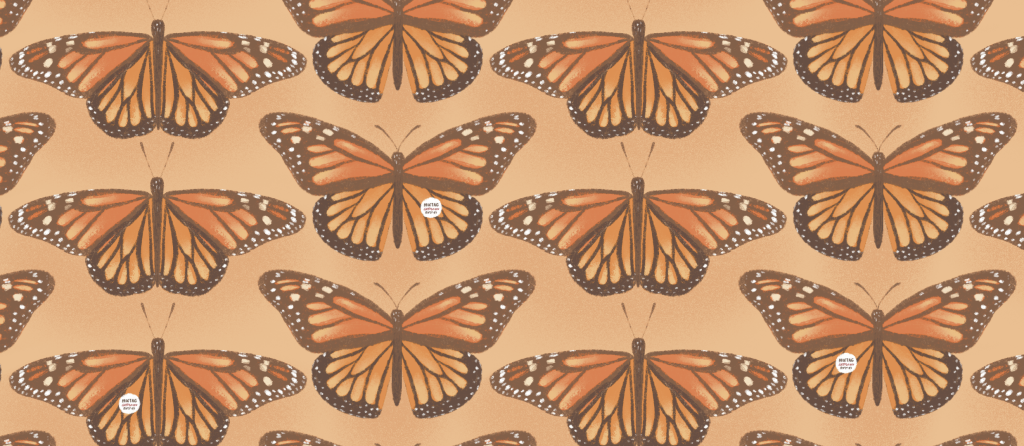
Founded in 1992, Monarch Watch is an outreach program focused on education, research and conservation related to monarch butterflies. Through citizen science efforts, the organisation has encouraged the revival of native milkweed species and habitat restoration within backyards, schools and parks. They also started the volunteer-driven tagging program by designing lightweight, circular tags with unique codes that can be attached to the butterflies in a specific manner such that the tags don’t interfere with their flight or harm them in any way. With over a quarter of a million tags distributed each year, meticulous data are received from volunteers who tag and release the butterflies after recording the tag code, tag date, gender of the butterfly and geographic location. The efforts have helped answer critical questions about the pace and nature of the migration.

As much fun as butterfly tagging might sound, carefully capturing the butterflies is an exercise in patience and perseverance. We also had to be careful to catch the right ones! In a classic case of animal mimicry, butterflies such as viceroy and Gulf fritillary share similar patterns and shades as the monarch. After nearly an hour of hunching, running, crouching and jumping, we managed to capture only two with catching nets. Kathy explained how to hold the butterflies to ensure they are not hurt and slip them into a wax paper envelope so that all butterflies could be tagged in one session.

While holding one, I was surprised to feel the strong, almost claw-like grip of its hind legs, which Kathy explained helps them cling on to the edges of flowers and plants. Kathy gently and expertly stuck a tag to the forewing and pointed to a black spot on a vein on each hindwing. “A male,” she said. The spots contain scales that produce volatile chemicals called pheromones used during courtship. Kathy spoke of volunteers who have been tagging the monarchs for over two decades, awaiting their annual presence with hope and concern. The long-term data have been especially useful to understand trends and even locate other overwintering habitats that were not known earlier.

In India, similar citizen science projects have helped collect significant data about trees, birds, and plants. Consistent observation has often been the first step towards critical findings. For example, species of milkweed butterflies have been found to migrate between the Eastern and Western Ghats in southern India to escape the harsh summers.

After tagging the butterflies, we set them free, and they immediately took to the skies. Like winged messengers to a perilous and uncertain future, the monarchs seem to symbolise tenacity and resilience through their long journeys. In ensuring the continuity of their path and lifecycles, we can partake in some small measure, the wonder, beauty and danger that the world continues to churn.

Further Reading

Vinayan, P. A., M. A. Yathumon, N. S. Sujin, B. N. Kumar, P.A. Ajayan, P. K. Muneer and N. R. Anoop. 2023. Pattern and drivers of danaine butterfly migration in Southern India: implications for conservation. Journal of Insect Conservation 27(3): 505–516.

Zylstra, E. R., L. Ries, N. Neupane, S. P. Saunders, M. I. Ramírez, K. S. Oberhauser, M. T. Farr and E.F. Zipkin. 2021. Changes in climate drive recent monarch butterfly dynamics. Nature Ecology & Evolution 5(10): 1441–1452. doi.org/10.1038/s41559-021-01504-1.

Atlas Obscura. 2023. How Monarch Butterflies use the poison in milkweed plants. https://www.atlasobscura.com/articles/monarch-butterfly-poisonous-milkweed-science. Accessed on December 15, 2023.

Originally published on 10 May 2024

This article is from issue

18.3

2024 Sep

How can we make new conservation technology more accessible?

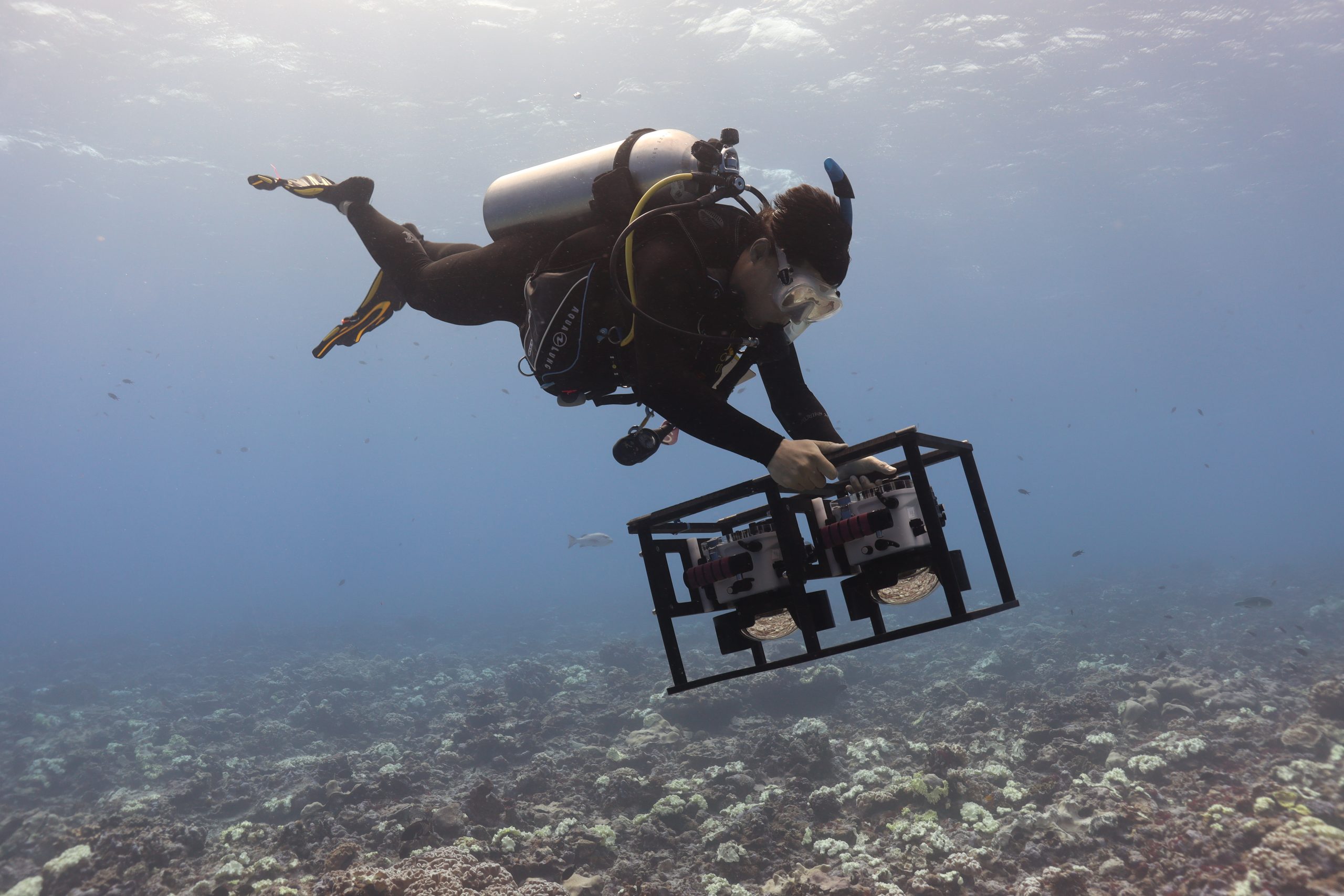
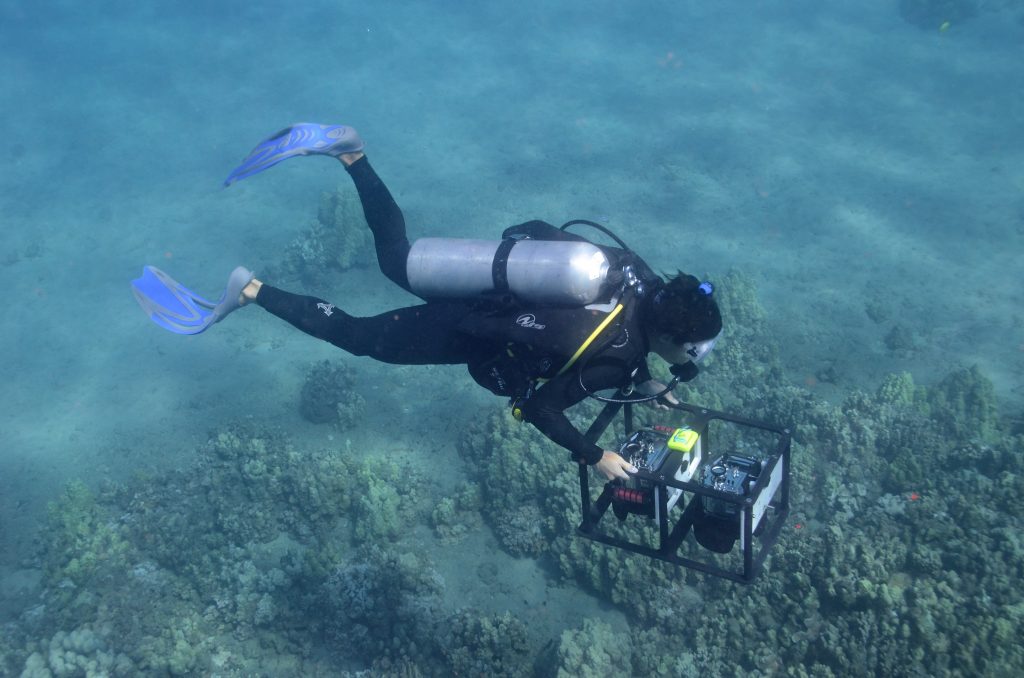
Feature image: A diver collects imagery of a coral reef that will be stitched together into a 3D model.

Technology often makes it feel like we are living in the future. For example, the last time I visited the dentist, the hygienist stuck a camera in my mouth, snapped hundreds of pictures in a matter of seconds, and then showed me a photo-realistic 3D model of my teeth (clearly identifying spots where I need to floss more). When I left the clinic, I opened Google Maps to get directions and was able to visualise a 3D reconstruction of the city block I was standing on. As I walked to my destination, I read a news article on my phone about an archaeological site halfway across the world, and was able to virtually tour a 3D reconstruction of the site generated from overlapping pictures.

These innovations are all examples of a technology called large-area imaging, a type of photogrammetry that uses multiple overlapping images to reconstruct a high-resolution 3D model of a stationary object or environment, from the inside of my mouth to the Colosseum.

Beyond these everyday applications, large-area imaging also has immense potential as a conservation technology. Photo-realistic 3D models of ecosystems can provide a snapshot of environmental conditions and act as a visual record of change. Importantly, for places that are difficult to access—such as marine ecosystems—3D models can serve as a platform for researchers to conduct “virtual fieldwork” and for the general public to “visit” a remote place they would otherwise never get to see.

3D models of marine environments, constructed based on the overlap of multiple images, are a form of large-area imagery. Imagery collected by the 100 Island Challenge, Scripps Institution of Oceanography

Large-area imaging has been used with increasing frequency in the marine sciences. In a recent study, led by Dr. Orion McCarthy from the Scripps Institution of Oceanography, we examine trends in the application of this emerging technology, focusing specifically on coral reefs. As part of our study, we also asked coral reef scientists and conservation practitioners how they would like to use large-area imaging, what obstacles they faced in trying to use large-area imaging and how those challenges could be overcome.

We found a mismatch between current research using large-area imaging and the research priorities identified by our survey participants. Despite the many potential applications of large-area imaging for conservation and the immense conservation needs of coral reefs, we found that few studies to date have utilised large-area imaging for applied conservation science, whether it is for tracking the fate of coral restoration projects or evaluating the effectiveness of marine protected areas. Instead, the bulk of research using this technology has focused on a narrow range of topics and has been conducted primarily by researchers based in wealthier countries. Furthermore, our survey participants identified many barriers to adopting large-area imagery, such as equipment cost, technical expertise and staff capacity.

Without taking concerted steps to make large-area imaging more accessible, we risk excluding researchers in less affluent countries, perpetuating parachute science and conducting research that is out of step with the needs of conservation practitioners. Scientists at well-resourced institutions that currently use large-area imaging have served as pioneers of this technology. These same researchers now have an ethical responsibility to make large-area imaging more accessible by facilitating the transfer of technology from the ivory tower to the hands of conservation practitioners.

A diver collects imagery of a coral reef that will be stitched together into a 3D model. By swimming in a gridded pattern and taking a picture every second, divers can collect thousands of pictures with high overlap covering 100m2 of reef in less than an hour. Photo credit: Roxanne Garibay

Based on feedback from our survey participants, we provide a set of recommendations to improve the accessibility of this technology for marine conservation. This includes developing training materials, hosting workshops, fostering partnerships for data processing and analysis, establishing clear communications with partners, publishing clear pipelines and standardised methods, working with developers to improve the software and conducting conservation-relevant research using large-area imaging. These steps, among others, will help to maximise the positive impact of this emerging technology for conservation

Acknowledgements:

We would like to thank everyone who took or helped distribute the ‘Coral Reef Scientist and Conservation Practitioner’ survey, with special thanks to the respondents who took the time to discuss their survey responses in depth with us. Their interviews were instrumental to the development of the recommendations proposed here.

Further Reading

McCarthy O.S., K. Contractor, W.F. Figueira, A.C.R.Gleason, T.S. Viehman, C.B. Edwards and S.A. Sandin. 2024. Closing the gap between existing large-area imaging research and marine conservation needs. Conservation Biology 38(1): e14145. https://doi.org/10.1111/cobi.14145.

This article is from issue

18.3

2024 Sep

Costa Rica’s endemic sea snake is in trouble

As we grapple with biodiversity loss around the globe, endemic populations that evolve in single locations likely disappear at faster rates. Their long-term survival depends on scientists securing data to understand potential threats and inform conservation policy. Unfortunately, even basic information such as an organism’s habitat, its geographical range and factors that make its habitat suitable are often, and surprisingly, unknown—even for vulnerable taxa.

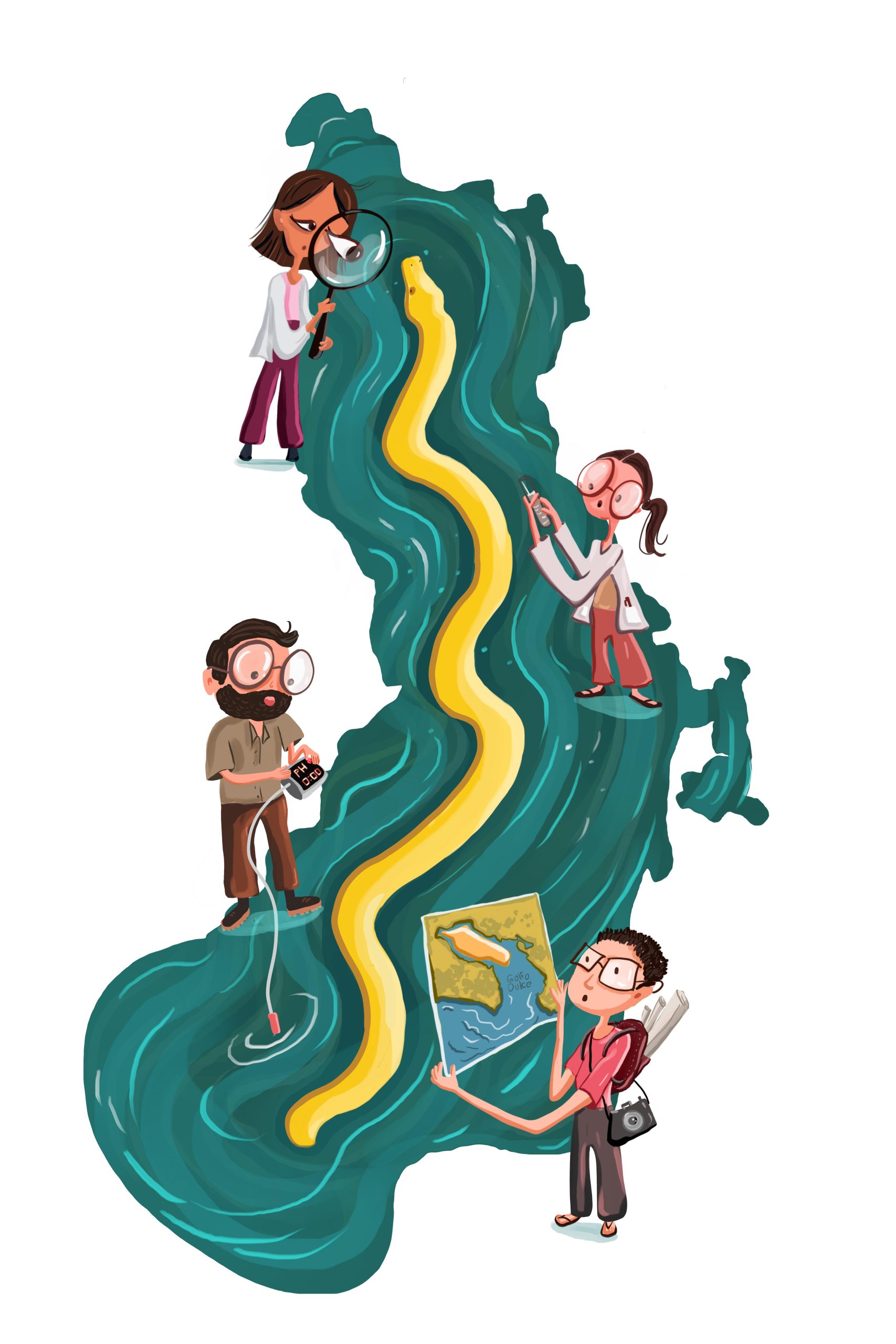
That was the case for the only sea snake endemic to the Americas. The bright yellow Hydrophis platurus xanthos, “Xanthos” for short, is found only in Golfo Dulce—a narrow tropical fjord in Costa Rica. The population of this curious sea snake is confined to a deep inner basin, isolated from the Pacific Ocean by a shallow outer basin. Based on our 2023 study of its range and habitat, Xanthos occupies just 260 square kilometres—an area small enough and threatened enough for this subspecies to be listed as Endangered on the International Union for Conservation of Nature (IUCN) Red List.

Using computer models to evaluate its environment, we found that Xanthos prefers deep waters. Indeed, the near-surface layers where it breathes, feeds and rests, are almost exclusively positioned over depths greater than 100 m (the maximum depth in Golfo Dulce is 215m). We also found that Xanthos favours slightly brackish waters with a salt concentration of about 3.1 percent, as opposed to the oceanic average of 3.5 percent. And it remains in areas with pH values closer to the historic oceanic level of 8.2 and higher levels of dissolved oxygen. These preferences indicate that climate change-driven ocean acidification and deoxygenation could threaten the population.

Climate change is leading to higher water temperatures which may bring other challenges too. Golfo Dulce is already relatively warm, with daytime temperatures greater than 32ºC, compared to an average of 28ºC in the open ocean. It is hypothesised that Xanthos has adapted to its warm habitat by evolving a lighter skin colour as well as a nocturnal activity cycle. Our research also shows that the snakes surface when top waters are cooler than average, perhaps to avoid excessive heat. If temperatures continue to rise, will Xanthos be able to adapt further?

Sadly, climate change is not the only threat to the population. While many still consider Golfo Dulce pristine, human impacts are rapidly increasing, including boat and ship traffic, as well as chemical runoff from marinas, communities and farms. Landlocked to the north and bound by shallows to the south, Xanthos cannot migrate elsewhere and so is left to face the dangers of propeller strikes and pollution. Protective action must be taken soon to safeguard this unique endemic subspecies.

It’s worth noting that sea snakes can serve as bioindicators, forewarning of habitat decline. So, Xanthos could be a harbinger of change, the proverbial canary in Golfo Dulce. That means its’ well-being is relevant to other species in Golfo Dulce. Endangered sea turtles, sharks and corals are all confronting the effects of seaside development and climate change, and their fates are interlinked. Thus, maintaining healthy habitat for these charismatic canary-coloured serpents will help ensure a vibrant future for all marine life in Costa Rica’s unique tropical fjord.

Further Reading

Bessesen, B. L. B., C. Garrido-Cayul and M. González Suárez. 2023. Habitat suitability and area of occupancy defined for rare New World sea snake. Conservation Science and Practice 5(1): e12865. doi.org/10.1111/csp2.12865.

Bessesen B, V. Udyawer, J. M. Crowe-Riddell, H. Lillywhite and K. Sanders. 2024. Hydrophis platurus ssp. xanthos. The IUCN Red List of Threatened Species. https://www.iucnredlist.org/species/239753560/239753681.

This article is from issue

18.3

2024 Sep

A Bowl of Snake Soup on a Warm Winter Night

Feature image: King Cobra (Ophiophagus hannah). Photo credit: Christoph Moning

The intersection between culture and environment is a space that has the potential for great conservation as well as extreme loss. Around the world, some species or groups of wildlife hold significant cultural value for their meat and use in traditional medicine. In Southeast and East Asian cultures, snakes play an important role in the communities’ culinary traditions. Hong Kong, in particular, has a large snake soup industry. 

Researchers from the University of Hong Kong conducted a study across the three main regions of Hong Kong to understand the ecological and social implications of its snake soup industry. They aimed to learn about the species consumed, their origins and the shopkeepers’ views on the future of the industry. Owners and employees of multiple snake soup shops were interviewed to gain a better understanding of the industry. In addition, samples were collected from the snake soups in various shops so that the species could be identified using genetic analysis. 

The most commonly consumed species were the rat snake and the Javan spitting cobra, both classified as Least Concern on the IUCN Red List. Less commonly consumed snakes were relatively abundant, but their conservation status varied. While many of the snakes consumed were native to Hong Kong, interview respondents indicated that the snakes were sourced from outside the country—primarily Southeast Asia and Indonesia. Mainland China was also a source; although, due to the increasing popularity of snake meat consumption in the country, the supply of snakes from mainland China to Hong Kong has reduced. The lower supply of snakes in Hong Kong has led to higher prices, making them unaffordable for most shop owners. Hence, there is an increasing dependence on cheaper Southeast Asian and Indonesian species. 

Many-banded Krait (Bungarus multicinctus). Photo credit: LiCheng Shih

Most of the shop owners and employees who were interviewed had a pessimistic view regarding the industry’s future. Some respondents believe that the popularity of snake soup itself is on the decline. They attribute this to climate change; snake soup is often consumed during winters, and increasing temperatures are discouraging its consumption. Others perceive the decreasing popularity to be because of the depletion of wild snake populations and increasing public awareness about conservation. Lastly, the psychological impact of the 2002-03 SARS outbreak in Hong Kong and other parts of mainland China still persists. The respondents believed that many customers do not want to consume wild animal food products out of fear of contamination. 

The authors predict that if the Hong Kong snake soup industry continues to remain popular, it could run into sourcing-related issues with China depending on the extent of law enforcement, thereby increasing the demand for snakes from Southeast Asian countries. Further research is needed to determine the impact of harvesting on wild snake populations and the sustainability of the snake trade so that conservation actions can be guided accordingly. The authors recommend conservation actions such as ethically and sustainably managed snake farms as well as stricter regulations and monitoring of the snake trade. In fact, both China and Indonesia have introduced legal restrictions on snake trade at various points in time. Lastly, conservation efforts also need a focus on socio-economic equity to ensure that cultural culinary traditions are preserved while conserving snake species. 

Further Reading 

Yuan, F. L., C. T. Yeung, T.-L. Prigge, P. C. Dufour, Y.-H. Sung, C. Dingle and T. C. Bonebrake. 2022. Conservation and cultural intersections within Hong Kong’s snake soup industry. Oryx 57(1): 40–47. doi.org/10.1017/s0030605321001630.

Photos: Wikimedia commons

How African Penguins Recognise Each Other

Read story in

Penguins are fascinating creatures. Between their inability to fly and their unique vocalisations, is it any wonder scientists find them a compelling subject of study?

More specifically, one group of scientists sought to understand how African penguins (Spheniscus demersus) recognised their partners among all the other penguins who lived nearby. African penguins are one of 18 penguin species found globally and the only one to inhabit southern Africa. 

Penguins have a sophisticated identification process based on vocalisations. In other words, they are able to recognise each other based on the sound of their calls—an impressive ability when you consider how loud and crowded penguin colonies can be. In addition to auditory cues, their sharp eyesight may also be important for recognising individuals. However, we still didn’t know much about how they use visual cues to identify other members of their species.

This was the question that scientists hoped to answer. 

Before continuing with our story, there are a few things to know about African penguins. First of all, they have monogamous, life-long partners, meaning that they will only nest with one other penguin throughout their lives. It is, therefore, essential for them to be able to quickly and accurately recognise their mate within the colony.

Secondly, African penguins have a pattern of little dots on their bellies. Each penguin has a different pattern, making them unique to the individual. These are very useful to zookeepers and other humans who need to identify individual penguins. 

Our scientists came up with a hypothesis: perhaps African penguins use these ventral dots to recognise their mates. If zookeepers can use these markings to tell penguins apart, isn’t it likely that the penguins might do the same? 

Using a captive colony of African penguins in Rome, the researchers set up a range of tests. Each adult penguin, who already had a partner, was shown a pair of life-size pictures of two different individuals. Numerous variations of these pictures were presented to the test penguins, but the key variations were as follows:

Test 1 showed full-body pictures of their partner and a non-partner. 

Test 2 had a full-body pictures of their partner, and their partner but with the little dots removed.

Test 3 had full-body pictures of their partner and a non-partner, both without the dots. 

Test 4 showed only the heads of their partner and a non-partner. 

Test 5 showed only the bodies of their partner and a non-partner.

The penguins were shown these life-size pictures side by side, and the
scientists measured the time they spent looking at each picture. The idea was that they would look at their partner longer than at a non-partner, because their partner would be more interesting to them than a neighbour with whom they had no particular attachment. The scientists also hypothesised that if the little belly dots were missing, the penguins wouldn’t be able to
distinguish their partner from a non-partner, and would pay equal attention to both pictures. 

And that’s pretty much what ended up happening—when given the choice between their partner and a non-partner, they spent more time looking at their partner. But when the dots were removed, they didn’t exhibit any preference towards either of the pictures. 

While this experiment doesn’t show that penguins depend exclusively on the dots to recognise their partners, it does demonstrate that these dots are an important visual cue and a feature that African penguins use to recognise each other. 

This may seem like a small and insignificant conclusion, but in fact it is very useful for conservation biology. African penguins are unfortunately endangered, and as such, anything we learn about them can inform conservation efforts. The possibility of understanding individual recognition—which is important for their breeding strategy—is essential for us. By connecting the dots between various studies, we can piece together a broader picture that will hopefully lead us to reversing the endangered status of African penguins.

Further Reading:

Baciadonna, L., C. Solvi, F. Terranova, C. Godi, C. Pilenga and L. Favaro. 2024. African penguins utilise their ventral dot patterns for individual recognition. Animal Behaviour 207: 13–21. doi.org/10.1016/j.anbehav.2023.10.005.

Author and illustrator: Viola H. Ruzzier graduated from McGill University with a degree in Anthropology and Biology. She enjoys writing and drawing and is starting a career in science communication.

Understanding changes in plant community composition for conservation

Read story in

The world has become more connected. What used to be different or unique across certain areas is now similar, including food, products in stores, culture and even biodiversity. Human activity is largely responsible for this increased connectivity, which can alter how biodiversity is distributed across space and time. 

These altered distributions often lead to one of two outcomes. First, species communities can become more similar, as disturbance-adaptable species, including some non-native ones, become more widely distributed and specialised species decline. Biologists refer to this increasing in similarity as biotic homogenisation. Second, as species populations decline and some native species become locally extinct, communities can become more different. This process is called biotic differentiation.

In a paper published in Conservation Biology, we reviewed 151 studies about biotic homogenisation and differentiation in plant communities in tropical and subtropical forests around the world. We wanted to find out which process is more common, where these studies were done, the scales that they addressed and the main drivers of plant community changes.

While we found that biotic homogenisation was more frequently discussed in these studies, we also found important nuances. In particular, many studies reported that homogenisation and differentiation can occur at the same time. Plant communities might initially become more different after a disturbance and then later become more similar as widespread and disturbance-adaptable species take over. Additionally, many studies used an approach known as “space-for-time substitution” where they observe sites that had been disturbed at different times and compare findings to infer about past or future ecological change. 

Our most important results—and different from previous studies—indicate that forest fragmentation (the division of forests from one large track into increasingly smaller and isolated patches) is the main human disturbance driving homogenisation and differentiation processes. However, our results reflect the current literature about these processes, and other human disturbances, such as climate change, can also be relevant and may interact with other anthropogenic impacts.

Overall, our study provides a comprehensive view of biotic homogenisation and differentiation in plant communities in tropical and subtropical forests worldwide. Understanding these processes is crucial for biodiversity conservation. This knowledge can help to develop strategies to preserve and restore unique ecosystems in heavily impacted areas. Additionally, recognising the processes of homogenisation and differentiation as key factors in the current biodiversity crisis can help to understand the fate of ecological communities and support management decisions towards a sustainable society.

Further reading:

Kramer, J.M.F., V.P. Zwiener and S.C. Müller, 2023. Biotic homogenisation and differentiation of plant communities in tropical and subtropical forests. Conservation Biology 37(1): e14025. https://doi.org/10.1111/cobi.14025.

How native mammals are helping an invasive plant establish itself in the forests of Kerala

Feature image: Flowers of S. spectabilis in full bloom at the Wayanad Wildlife Sanctuary. Photo: N. R. Anoop

Organisms that are introduced accidentally, or intentionally into places where they do not belong, and that cause extensive damage to the native flora, fauna and the ecosystem are termed invasive species. The ornamental plant, Spectacular Senna (Senna spectabilis), is one such species. 

A member of the Fabaceae (bean) family, Senna is native to South and Central America but has been introduced worldwide due to its ornamental appeal. In India, the plant has invaded many protected areas, particularly in the Western Ghats, including the forests of Nagarahole, Bandipur, Mudumalai, Sathyamangalam, and Wayanad within the Nilgiri Biosphere Reserve. 

Studies in recent years have revealed that invasive plants can use animals for seed dispersal and colonisation, hence complicating management efforts. To understand how S. spectabilis is able to invade large areas within forests with such rapidity, a team of researchers from the Ashoka Trust for Research in Ecology and the Environment and Ferns Nature Conservation Society
conducted a study in the Wayanad Wildlife Sanctuary (WWS) in Kerala, which is a part of the larger Nilgiri Biosphere Reserve. 

The principal assumption was that the seed dispersal of S. spectabilis was
facilitated by large, herbivorous and wide-ranging mammals, such as the Asian elephant, Indian gaur and spotted deer. The researchers walked along existing paths inside the sanctuary and examined the presence of seeds in the faeces of herbivorous mammals, including the aforementioned mammals, Indian crested porcupine, black-naped hare, Asian palm civet and domestic livestock. 

Seed pods of Senna spectabilis. Photo credit: Anoop N. R.

Based on the presence of seeds in the faeces of seven mammal species investigated, this study found that only three species—namely the Asian elephant, Indian crested porcupine and spotted deer—actively dispersed seeds. Of the three, based on the number of seeds, elephants were the primary and largest dispersers of seeds. This also coincided with the fruiting of S. spectabilis and the migration of elephants into the WWS from other places in the Nilgiri Biosphere Reserve. 

As a large-bodied and wide-ranging species, elephants need to literally eat tonnes of food every day to meet their nutritional requirements. However, since they are not able to digest most of the plants they eat as part of their diet, many seeds remain undigested and intact in their dung, thus facilitating germination. According to the researchers, this could explain the current spread of S. spectabilis and predict its future invasion in the WWS. Also, since the seeds of S. spectabilis are eaten by multiple mammals, the researchers feel that there is a chance that the plant could spread across different vegetation types and agricultural spaces around the sanctuary area.

Seedlings of S. spectabilis in elephant dung. Photo credit: Anoop N. R.

In 2012, the plant had invaded less than 15 km2 in the WWS, but as of 2020, the species had spread across an area of over 78 km2 or about 23 percent of the entire sanctuary. If urgent mitigation to arrest the spread of this plant is not undertaken, there is a possibility that in the next 10 years, the entire sanctuary will be invaded by S. spectabilis. The researchers suggest that constant removal of adult trees and pruning of branches before maturation of fruits in the summer could control the spread of the plant. There is also an urgent need to survey the Western Ghats and map the areas to identify the extent of its invasion and examine changes in the existing populations. 

Original paper:

Anoop, N. R., S. Sen, P. A. Vinayan and T. Ganesh. 2021. Native mammals disperse the highly invasive Senna spectabilis in the Western Ghats, India. Biotropica 54(6): 1310–1314. https://doi.org/10.1111/btp.12996

How do ancient burial mounds promote steppe conservation in Eurasia?

Feature image: Kurgan field, Bulgaria

Civilisations, including ancient ones, have considerably shaped global ecosystems in many ways through the co-evolution of landscapes and humans. In certain cases, the legacy of ancient and disappeared civilisations is still visible as landmarks, such as Stonehenge and the Egyptian pyramids.

In the vast steppes of Eurasia, the most widespread ancient human-made structures are burial mounds called ‘kurgans’. Kurgans are a few metres high and built of soil or stones. Most of them were constructed by nomadic herders of the Yamnaya culture between 3100–2500 BC. Many kurgans were destroyed during the past centuries, but approximately 600,000 mounds are still present in the steppes that stretch from central Europe to the Altai Mountains in Central Asia. Although the mound builder civilisations vanished a long time ago, subsequent cultures recognised the importance of these sites and they are considered spiritual hotspots even today.

Heritage sites as an integral part of traditional farming in Hungary

Aside from being an integral part of our cultural heritage, kurgans are covered by millennia-old steppe vegetation—making them important for biodiversity conservation. Because of their hill shape, kurgans contain several contrasting microhabitats that sustain high levels of biodiversity, even at small scales. This is especially important because in previous centuries, millions of hectares of steppe habitat has been destroyed by the expansion of arable lands and infrastructural development—a process that, unfortunately, is still ongoing in many regions. Nowadays, remaining steppes are also threatened by the marked changes in the lifestyle of local people: steppes formerly used as extensive pastures are often overgrazed or abandoned, leading to the decline of the natural flora and fauna. Thus, in rapidly changing landscapes, sites that preserve remaining steppe stands can be
considered the last refuges for biodiversity.

The ecological role of kurgans

By assembling an extensive dataset of 1072 mounds situated in the steppe biome from Hungary to Mongolia, we aimed to elucidate the conservation potential of kurgans in Eurasia. We also evaluated how extant cultural and spiritual values bound to the kurgans support the maintenance of grasslands in their vicinity. By involving scientists and citizens from eight countries across the steppe biome, we collected data on the presence of grasslands on the mounds, landscape context (such as land cover around the mound, threat factors) and cultural values associated with the mounds (such as the
presence of sacred buildings and objects, folkloristic values and old tales). Our hypothesis was that cultural values can effectively support the
conservation of steppe grasslands on the mounds.

Kurgans provide safe haven for red listed species such as Jerusalem sage

Our study found that kurgans can fulfil multiple ecological functions,
depending on the landscape context. In agricultural landscapes where
grasslands were almost completely destroyed, more than half of the mounds
preserved grassland vegetation and acted as ‘terrestrial habitat islands’ for the last remnants of steppes. In moderately fragmented landscapes, kurgans
covered by grasslands functioned as stepping stones connecting distant
populations of grassland biota. In the vast steppes of Central and East Asia most of the mounds supported grasslands. Here, their conservation
importance was mostly related to their high biodiversity.

Guardians of steppe grasslands

Interestingly, many kurgans are still actively used as spiritual or cultural places. We recorded 57 different types of cultural values associated with the kurgans. Cultural recognition and respect of local communities greatly
supported the maintenance of grasslands. Kurgans with cultural protection have a well-kept appearance, and people often maintain them with
traditional land use practices (such as mowing). Moreover, cultural
recognition also halts detrimental land use practices such as ploughing. Grassland presence was comparable on mounds within protected areas and on mounds located outside the reserves but with cultural values. Unsurprisingly, cultural protection almost doubled the chance of grassland presence on kurgans outside protected areas, as compared with those
outside protected areas but without cultural values.

Steppe grassland preserved on the slope of a kurgan

Our study suggests that to complement and support the system of protected areas in steppe ecosystems, it is crucial to acknowledge the conservation potential of those sites that due to their associated cultural values can harbour natural habitats even in non-protected landscapes. We emphasise that an integrative socio-ecological approach could effectively support the synergies among conservational, landscape and cultural values.

Further reading:

Deák, B., Á. Bede, Z. Rádai, I. Dembicz, I. Apostolova, P. Batáry, R. Gallé et al. 2023. Contribution of cultural heritage values to steppe conservation on ancient burial mounds of Eurasia. Conservation Biology 37(6): e14148. https://doi.org/10.1111/cobi.14148.

Achieving human-wildlife coexistence in a human-dominated landscape in Nepal

Feature image: A majestic greater one-horned rhino walks on the road in Chitwan National Park, Nepal, a sight not commonly seen in areas near human settlements. 

Throughout history, humans have competed with other animals for food and resources, leading to the extinction of many species worldwide. In the modern world, conflicts between humans and wildlife are increasingly common, particularly in regions like Nepal where most communities rely on subsistence farming for their livelihoods. As our population grows and wildlife adapts to our habitats, interactions between people and animals intensify, resulting in human casualties, livestock losses, crop damage and harm to wildlife.

Chitwan National Park, Nepal’s first protected area and a UNESCO World Heritage Site, frequently faces such conflicts. It is home to iconic wildlife such as the greater one-horned rhinoceros, Asian elephant and Bengal tiger, as well as indigenous communities. These indigenous groups and iconic wildlife have coexisted for centuries. However, the malaria eradication program in the 1950s, along with the conversion of wildlife habitats into agricultural lands and rapid development, increased conflicts between local communities and wildlife. 

Communities in Chitwan heavily rely on subsistence farming, including livestock keeping, which unintentionally attracts wildlife. This occurs because farming practices provide readily accessible food sources: crops attract deer, whereas livestock attracts predators such as leopards. Although farmers do not intend for this to happen, the need to grow their own food and maintain livestock unintentionally creates an extended habitat for other wildlife. 

Human-wildlife interactions are shaped by the unique ways in which local communities and wildlife interact with each other. Promoting coexistence in a place like Chitwan necessitates the involvement of affected communities and consideration of their needs. These locals are critical stakeholders who share resources and space with wildlife, thereby playing a pivotal role in the long-term survival of these animals.

In a recent study published in Conservation Science and Practice, we explored community-preferred policies for coexistence in Chitwan National Park. We interviewed 506 households across four park sectors and found that a majority had experienced human-wildlife conflicts in various forms over the past five years. Wildlife such as rhinos, elephants, wild boars and deer caused significant crop damage. These damages varied across different sectors of the park. 

Overall, respondents favoured interventions that include enhanced livelihood diversification, cultivation of non-palatable crops, promotion of alternative livelihoods, and strengthening of rapid response teams. While 66 percent of participants view the compensation process as time-consuming, 76 percent concur that fencing effectively reduces conflicts. Through our research, we also recommend collaborating with local communities to co-design and install fences, as well as expediting compensation for crop damage. Expedited compensation for affected individuals is crucial to garner local support as it increases the tolerance of the local community towards wildlife and encourages coexistence. 

Our research highlights a persistent trend of human-wildlife conflicts in Chitwan National Park, echoing global patterns. Tailored interventions are essential for coexistence in a landscape dominated by humans. This research coincides with the park’s shift toward achieving human-wildlife coexistence. While conflicts may persist in Chitwan, our findings can aid park management in reaching this goal. Additionally, this research lays the groundwork for understanding community preferences, helping researchers, conservationists and resource managers to effectively address human-wildlife conflicts in South Asia and beyond.

Further reading

Ferdin, A. E. J., C.-H. Lee, N. Dhungana, J. W. Chook, N. Baskaran and A. Pathak. 2023. Eliciting community-preferred policy alternatives for achieving workable coexistence in a human-dominated landscape: Insights from Chitwan National Park, Nepal. Conservation Science and Practice 5(11): e13026. doi.org/10.1111/csp2.13026.

A life-long humanistic journey to conservation practices

Feature Image: Dr. Quan-Hoang Vuong (R) is pictured here on the Tra Co beach in Vietnam. The beaches have been long populated by goat’s horn mangroves (Aegiceras corniculatum). The sea is shared by China and Vietnam, and the Chinese town Dongxing can be seen from this beach. (Photo taken on 19 November 2022)

I recently had the honour of collaborating with Dr. Quan-Hoang Vuong—one of the most important figures in contemporary Vietnamese social sciences and founder of the Centre for Interdisciplinary Social Research at the Phenikaa University in Hanoi, Vietnam—in a journal article titled ‘Kingfisher: Contemplating the connection between nature and humans through science, art, literature, and lived experiences’. 

The central message of the article was that in order to protect nature, we need compassion because data alone is insufficient. Our compassion can be shaped by connecting with the natural world through several mediums. This work was based on Vuong’s accumulated thoughts, lived experiences and childhood memories.

Vuong has shared a deep connection with plants, animals, forests, mountains and rivers from a very young age. Although born in Hanoi, Vuong was raised by his grandmother, Grandma Bien (or Huỳnh Thị Xá), in Tra Co, Mong Cai, from when he was just a few months old. This was in the 1970s when Vietnam was heavily devastated by war. Life in the residential area in Tra Co was simple and impoverished. Each family had only a light bulb, radio and small fan, and power outages were frequent. However, in return, nature provided abundant opportunities for the children to play, explore, satisfy their curiosities and ask countless questions. In the early summer evenings, they caught crickets; at night, they searched for frogs; during the day, they dug for insects in caves, and went fishing and swimming in ponds.

Even after returning to live in the city, flowers, fruits, trees, birds, and insects continued to be Vuong’s primary source of joy. Hanoi was not yet flooded with steel and concrete, and there were still vast green areas in the suburbs and a few places within the city. Once, near the collective housing area, a friend found a young sparrow and showed it to Vuong. That was when Vuong discovered something new: the sides of a baby sparrow’s beak have two yellow stripes; when the bird grows to a certain size, the yellow stripes disappear. Vuong also witnessed the magical phenomenon of the sparrow flying to and perching on his friend’s shoulder whenever he whistled.

Later, when the green spaces in the city gradually disappeared and were replaced by high-rise buildings and steel-reinforced concrete structures, the love for and memories of the connection with nature and birds continued to play a vital role in Vuong’s thoughts and works. In 2016, while contemplating the next steps to accomplish his big dreams in a scientific career and to inspire future generations of researchers in Vietnam, Vuong borrowed images from nature through the metaphor of the bird village, with the main character being Mr. Kingfisher, to satirise and draw lessons for himself. These stories were initially published sporadically in the ‘Khoảng Lặng’ section of the Kinh tế & Dự báo [Economics and Forecast] from 2017 to 2019. 

Afterwards, Vuong compiled and expanded them into a collection of climate fiction (cli-fi) stories titled ‘The Kingfisher Story Collection’ to convey humanistic values in the fight against climate change and the conservation of biodiversity. Notably, the story collection also includes stories in the climate-horror (cli-hor) genre, a new and challenging genre to write. In addition, Vuong also distilled philosophical reflections on humans’ abusive relationships with nature in Meandering Sobriety. The book concludes with an urgent plea for species such as snow crabs, orcas, seagrass, etc., dying en masse worldwide due to human-caused climate change.

Being a bird and nature enthusiast allowed Vuong to make observations that may seem trivial to urban dwellers and to transform them into scientific concepts and theories. For example, in the late summer of 2018, Hanoi’s suburban areas experienced severe flooding. However, while sitting at a roadside café, Vuong noticed a peculiar occurrence: three baby birds, still too young to fly properly, were drinking wastewater from an air conditioner. This contrast offered him significant insights into ecological inequality, which he later used to define a new core cultural value to engage the business sector in the mission to heal nature. He also established the ‘eco-surplus culture’—a set of pro-environmental attitudes, values, beliefs and behaviours to reduce negative anthropogenic impacts on the environment and conserve and restore nature; enumerated the moral practical gaps in the corporate social responsibility of businesses; and started discussions on global-scale inequality in climate science and the significance of children’s literature and science communication in sustainable education.

In his book A New Theory of Serendipity: Nature, Emergence and Mechanism, Vuong posits that serendipity is a form of human information processing capacity that brings about changes in perception and action. The capacity originates from the human demand to develop survival skills in natural and social environments. A year later, he also wrote the book Mindsponge Theory, utilising knowledge from biology, ecology and neurology to construct a theoretical system to explain social-psychological phenomena and define the mind as an information collection-cum-processor.

Both of Vuong’s theories assert that humans are part of a vast natural system, and there is much we have to learn from nature and other living beings. Indeed, today we rely on nature-based solutions to address human-made global problems, such as using algae to sequester carbon, employing larvae to degrade plastic and combining coffee grounds with other materials to manufacture cement. Vuong’s profound connection with nature is clearly expressed through his actions, the stories he tells and the topics he cares about. This helped restore my lost bond with nature, as it did for many others of my generation. Previously, my concerns were primarily focused on economic growth and finance. But engaging in research and listening to Vuong’s stories have made me gradually conscious of the larger world and instilled a sense of connection with nature. 

The connection has made me realise that economic, social and urban development are like sand castles that can collapse at any time if environmental sustainability is lost. Being aware of the natural world’s importance has driven me to pursue a doctoral research topic: how can we involve urban residents in tackling biodiversity loss in protected areas? In response to this question, I have conducted numerous studies on urban residents’ consumption of wildlife products and their willingness to pay for conservation. The ‘Ecomindsponge’ conceptual framework has also been developed to understand the limits of human mental realms, thereby helping identify pathways to reconnect the minds of those who have lost their connection with the environment.

While natural scientists find inspiration from nature for studies on biomimicry or nature-based solutions, social scientists like Vuong draw inspiration from nature to discover the values of the environment in various human aspects: psychology, society and culture. Lived experience has helped Vuong realise the value of wildlife in connecting nature and humans, especially for the generation of urban and digital natives, most of whom have lost touch with nature. Ultimately, lifeless statistics and data are not sufficient to help connect humans’ mental realms with the world of other sentient beings.

References

Vuong, Q. H. and M. H. Nguyen. 2023. Kingfisher: contemplating the connection between nature and humans through science, art, literature, and lived experiences. Pacific Conservation Biology 30: PC23044. https://doi.org/10.1071/PC23044.  

Nguyen, M. H. and T. E. Jones. 2022. Building eco-surplus culture among urban residents as a novel strategy to improve finance for conservation in protected areas. Humanities and Social Sciences Communications 9: 426. https://doi.org/10.1057/s41599-022-01441-9.Nguyen, M. HT, T. Le and Q. H.

Nguyen, M. H., Le, T. T., and Vuong, Q. H. 2023. Ecomindsponge: A novel perspective on human psychology and behaviour in the ecosystem. Urban Science 7(1): 31. https://doi.org/10.3390/urbansci7010031.

Of coasts and construction

I had to squint against the afternoon sun to see the outline of the Vizhinjam International Seaport that was under construction. A couple of my coursemates and I were on our way to meet with local artisanal fishermen in Trivandrum, Kerala.

“Palli-de avde ethittu, vilicha madhi, njan veraam.” Call me when you reach the mosque, I will come there.

Our interview facilitator sounded very patient over the phone as we meandered around the harbour, trying to locate the mosque.

A quarter of an hour later, we were in the company of nonchalant fishermen who had finished the day’s work and their lunches. Our facilitator informed us that conversation was welcome at this point.

A coursemate and I had undertaken a short field study to understand the impacts of the Adani port construction on the livelihoods of artisanal fishermen at Vizhinjam. This was a part of a wildlife and habitat conservation course that I was doing with an NGO based in Coimbatore. The theme of the course was marine conservation and its challenges, which brought us to the coasts and communities of Kerala and Tamil Nadu.

I was nervous about conducting interviews with the artisanal fishing communities because this came on the heels of some of them violently protesting against the construction of the port about a month earlier. Their gripe was that the port would result in higher rates of coastal erosion, lower catch, and community displacement. My desk research confirmed the chronology of this issue, while also throwing up various scientific, political, religious and social perspectives. Most of the news articles were accompanied by the image of the larger-than-life structure of the port sitting where it really did not belong—in the backdrop of numerous colourful fibre boats and the mosque that was our present landmark.

This would be a very sensitive subject to broach, so I consulted my professors and went through my survey questionnaire repeatedly to ensure I would not cross a line. I exchanged apprehensive introductions with my first interviewee and got down to business. 

“So, has anything changed for you after the port construction began?”

Fighting reality

The word ‘development’ has many interpretations.

In 2015, the verdict to modernise India’s ports was passed through the National Perspective Plan. Called Sagarmala, the vision of the project was to develop the nation’s logistics infrastructure for seamless trade. In southern India, Vizhinjam was one of the many national sites planned for port modernisation. 

Vizhinjam is approximately 16 kilometres south of Trivandrum, stretched between Kollam and Kanyakumari, and lies close to major shipping routes. The port construction project was envisioned as a Public-Private-Partnership and the harbour was chosen for development, primarily because of the geomorphological features of this region—Vizhinjam has a natural bay, with a depth of 18-20 metres that would allow the parking of capesize vessels (the largest cargo ships) without additional dredging.

Vizhinjam is home to artisanal fishing communities like the Mukkuvars, who rely on the sea and its bounty for daily living. The seabed in and around the area has rock formations, sandy bottom ridges, floor slopes and sloping ridges, making the space a rich breeding ground for mussels and a variety of marine organisms.

I asked some of my interviewees what ‘developmentmeant to them. They defined it as having enough to eat every day and meeting educational expenses of their children so that in the future, they may take up an occupation apart from fishing.

This is because finding catch in and around Vizhinjam is getting increasingly difficult as port construction milestones are ticked off on a Gantt chart.

Turn of the tide

Artisanal fishermen use sustainable methods of catching fish as opposed to trawling and gillnet fishing that sweep out species from the seafloor. Some of the most popular regenerative fishing methods at Vizhinjam are hook and line fishing (chunda), trammel nets (konchu vala), boat seine (thattumadi) and variations of these. Chunda is used to catch tuna, groupers and snappers, whereas thattumadi is used to trap squid, ribbonfish, pomfret and other targeted species.

These methods are regarded as sustainable for it allows fish populations to recover in numbers before the next fishing cycle. Also, the chances of trapping bycatch—non-targeted species—is minimal due to the fishing gear deployed.

The coast of Trivandrum experiences another phenomenon—erosion and accretion. Erosion typically occurs along the northern coast while accretion happens in the south. There are natural checks and balances, but artificial structures such as groynes, reclamations and reefs, interfere with the process, causing disruptions in sediment flows. 

Mr. Das (name changed), who fishes about 30 km north of Vizhinjam says that since construction began, he and his friends have visually observed an increased rate of erosion. This has forced them to move their landing centres closer to the mainland. 

Regular dredging at the port mixes sediments and leads to muddy waters, which keeps certain fish species away. To add to the problem, there are lights within the construction perimeter that are kept on all the time. According to the men, these lights deter the fish away from the coast as it increases visibility of their fishing gear. This, in turn, has created many disruptions in the way they have to fish.

Mackerel, tuna, sardines and seer fish are the main catch at Vizhinjam. Previously, these were procured within a distance of 5-10 km from the shore. Now, the average distance travelled for a decent catch is 15 km. Even with subsidies, diesel and kerosene are pricey, especially during periods of low or no catch. In addition to altering their own fishing methods, prevalent destructive practices such as trawling and light fishing put them out of the game by reducing their catch quantity and composition.

Things look bleak on the mainland as well. The upcoming construction work in the hinterland to build port connectivity will impact the fisherfolk living by the shore. In an interview with a retired fisherman at Adimalathura, a 30-minute drive from Vizhinjam, he mentioned that massive boulders had been dumped at Chappath, a town close to Adimalathura. These structures occupied a minimum area of 200 acres by his estimation. The land was being cleared to make way for roads leading to the National Highway 66, which connects major seaports situated in western India. 

My interviewees mentioned the blatant apathy from the government in dealing with the matter of community livelihood and displacement. Fisherfolk were instructed to move to a warehouse with a cramped living space of 10m x 10m, a significant downgrade from the housing spaces they were used to. The non-availability of basic facilities such as restrooms was of great concern. Proper negotiation channels were not opened to the community, which is what led to the protest at the end of 2022. 

Nine out of 10 interviewees said that their children are either willingly opting for non-fishing occupations or are being persuaded to do so. The prime reason for this is the knowledge of depleting fish stocks in the sea. One interviewee knows how bad it is without even reading about biodiversity loss and climate change. Since the 1980s, he has observed that about 33 kinds of fish are not available to catch anymore.

Status quo

Public apathy sets in when there is a certain distance from the epicentre of an issue. While writing my project report, one of my recommendations was having local citizen programmes to build awareness on the livelihood threats to artisanal fishermen. At the back of my mind, I wondered if it is any good because the issue is being viewed through a lopsided lens by key decision-makers, leading to a disregard for scientific recommendations, a lenient environmental impact assessment report, and an indifference to concerns of the communities. All of this a great hit to the artisanal fishing communities and a massive step back for conserving marine species as well. 

I fell silent after my last interview at Adimalathura. My interviewee’s concluding remarks echoed in my mind. “They paint us as villains of development. We are not. We only want to know why we are being excluded from development.”

I glanced at the Arabian Sea and noticed silhouettes of ships dotted along the horizon. I did not have to squint this time.

Further Reading

Pradeep, J., E. Shaji, C. C. Subeesh Chandran, H. Ajas, S. S. Vinod Chandra, S. G. D. Dev and D. S. S. Babu. 2022. Assessment of coastal variations due to climate change using remote sensing and machine learning techniques: A case study from the west coast of India. Estuarine, Coastal and Shelf Science 275: 107968.

Sahayaraju, K. and J. Jament. 2021. Loss of marine fish stock in south west India: Examining the causes from the perspective of indigenous fishermen. International Journal of Fisheries and Aquatic Studies 9(5): 23-29.

Shaji, K. A. 2019. Is the deep-water sea project in Kerala an environmental and livelihood threat?
https://india.mongabay.com/2019/08/is-the-vizhinjam-port-in-kerala-an-environmental-and-livelihood-threat/. Accessed on March 9, 2024.

This article is from issue

18.2

2024 Jun

Horseshoe crabs: Ancient marvels facing modern threats

The horseshoe crab has been around for more than 450 million years. It has survived three mass extinctions, including the Cretaceous–Tertiary extinction event 65 million years ago, when more than 70 percent of all life forms, including dinosaurs, were wiped off the planet. Apart from being one of the oldest, the horseshoe crab is also among the most resilient of animals. Yet, despite being around for so long, not a lot is known about these living fossils.

Contrary to its name, the horseshoe crab is not a true crab nor a crustacean; it is, in fact, closely related to spiders and scorpions. With ten eyes situated all along its protective shell, five pairs of legs hidden underneath the carapace, and a protruding spike for a tail, it is a creature that is a perfect ensemble of prehistory. Horseshoe crabs play a crucial role in the coastal food web. Shorebirds, most of which are migratory, depend on their eggs as a food source, as do several species of fish and invertebrates. The horseshoe crab’s blue-coloured blood is an important component of medical research and the health industry, yet its own survival faces an uncertain future. 

Horseshoe crabs visit the intertidal mudflats only for the purpose of breeding, spending their first year of life along coastal habitats and shallow waters, before moving deeper into the ocean. Feasting on clams, worms and algae, horseshoe crabs will only begin breeding after they reach adulthood at about 10 years of age. For the next decade, they will return back to the beach every summer, to reproduce. Being largely understudied animals, their return to the beach is the only part of their lifecycle that we have information about. 

The Indo-Pacific horseshoe crab (Tachypleus gigas) is one of two species found in India. Photo credit: Biswajeet Panda

An eye for survival

The horseshoe crab is nocturnal and possesses some unique adaptations. Cruising along the shallow coastal seabed, it uses moonlight to its favour—to both forage and spawn its next generation. It has a pair of large compound eyes seated laterally, each with 1000 photoreceptors, as its primary visuals. Five more super-eyes, located on top of the shell, detect the ultraviolet spectrum, allowing the animal to navigate its surroundings on dark nights. Two more eyes on the underside, close to the mouth, help maintain a stable orientation against the flowing current. Lastly, an eye situated on the tail helps keep track of the day and night cycle.

The animal not only brings variety into visual engineering, but also possesses a well-defined circadian clock in its brain. The eyes of the horseshoe crab are the reason we have been able to extensively study our own vision.

The horseshoe crab’s long and pointed tail is called a telson. Photo credit: Biswajeet PandaI

Double-edged sword

Nevertheless, it was not just the vision of the crab that humans eyed. The baby-blue-coloured blood of horseshoe crabs has been harvested since the early 1600s—the colonial times in modern USA—initially to be used as “cancerine fertilisers” and later as a test for bacterial contamination in drugs. An important discovery was made in the 1950s, when Frederick Bang found that horseshoe crab blood contained a chemical called Limulus Amebocyte Lysate (LAL). 

This compound came to be widely used in the pharmaceutical industry to test for the presence of any bacterial contaminants, because it helped identify endotoxins even at concentrations as low as one part per trillion. The moment LAL comes in contact with any contaminant, the solution turns into a ‘gel’, immobilising the bacteria within the gel. The LAL test is instantaneous and simple, and creates a sample that remains stable for weeks, even at room temperature, and it replaced unethical testing on rabbits and mice. The test went on to become an important step in the approval of any drug, surgical implant and prosthetic device hoping to get the Food and Drug Administration’s approval. The horseshoe crab’s blood has helped deliver insulin as well as COVID-19 vaccines. 

On account of the presence of this important chemical compound, horseshoe crab blood became one of the most expensive liquids on earth. According to Business Insider, the price of the blood is valued at $60,000 per gallon, and the demand is growing. However, this has led to the overexploitation of the species. About 30 percent of all horseshoe crabs collected for drawing blood die in the laboratory, and those that are released have been reported to show diminished chances of survival in the wild.

For the horseshoe crab, this unique chemical defence evolved to help it survive its bacteria-rich habitats. The moment the crab’s blood cells detect invaders, they release LAL, thus creating a gel-like physical barrier that immobilises the bacteria. But, what was supposed to protect the animal is now the reason for its demise. In the 1970s, the high demand for LAL led to the start of a severe decline in the horseshoe crab population globally. Despite existing regulations, horseshoe crabs are poached in the thousands to meet the demands of the growing pharmaceutical industry.

Emerging threats in India

Apart from the demand from pharmaceutical companies, horseshoe crabs are also increasingly threatened by pollution and habitat destruction. Delaware Bay in the US, which has the largest population of horseshoe crabs, saw a decline from about 1.24 million Atlantic horseshoe crabs (Limulus polyphemus) in 1990 to about 334,000 by the early 2000s. 

Among the four species of horseshoe crabs, two are found in India—the mangrove horseshoe crab (Carcinoscorpius rotundicauda) and the Indo-Pacific horseshoe crab (Tachypleus gigas). A recent study (see Further Reading section) revealed a 64.7 percent decline in the population of mangrove horseshoe crabs and a 72.2 percent decline in the population of Indo-Pacific horseshoe crabs between 2000 and 2010. The fourth and largest species, the Japanese horseshoe crab (Tachypleus tridentatus), too is in a similar situation.

In India, there are additional threats facing the two species of horseshoe crabs. According to Prof. B.C. Chowdhury, a member of the IUCN-SSC Marine Turtle Specialist Group and advisor to the Wildlife Trust of India’s (WTI) marine projects, the primary reason for the decline of horseshoe crabs in the country is the destructive fishing practices prevalent along the eastern coast, which is home to the horseshoe crabs. Although not targeted, horseshoe crabs form a substantial part of the bycatch along the intertidal flats. Plucking them out of the nets is not easy and causes severe skeletal damage to the animals. Those that are plucked out whole are left scattered on the beach to perish. Moreover, since these are hard-shelled animals, fishermen also blame them for reduced fishing productivity due to the damage caused to their nets by the shells.

Rescue and release of horseshoe crab along beaches in the Balasore district. Photo credit: Association for Biodiversity Conservation and Research

Bichitrapur beach located in a mangrove forest reserve in the Balasore district of Odisha used to be an important feeding and spawning ground for the Indo-Pacific horseshoe crab, but sightings have drastically reduced over the years. Dr. Biswajeet Panda, who is conducting a study on horseshoe crabs along the beaches of Balasore, suggests that poaching might be a major threat to the population. This despite both species in India being protected under Schedule II of the Wildlife (Protection) Act, 1972, where illegal collection/hunting can attract a jail term of three years, a fine of up to INR 100,000 or both.

Satyajit Maity, a local fisherman from Dhublagadi village, remembers growing up seeing and playing with horseshoe crabs, saying they have now “vanished” from the coasts of Bichitrapur. Although the exact nature of trade is not known—with traders from places farther away contacting local fishermen to collect the animals and the specifics are kept under wraps—he confirms that it does exist and could be one of the reasons for the decline in numbers. According to Maity, a good-sized adult can sell anywhere between INR 800–1,000 (US$ 9.61–12.01). 

There is also increased pressure from other anthropogenic activities. Increased construction along the beaches like Digha and Sagar Islands in the Indian state of West Bengal has led to a change in the texture and composition of the sand and sediment. This has also led to a shift in the congregation sites of the crabs over the past decade. According to Dr. Panda, more than 400 horseshoe crabs (across both species) were sampled in surveys that date back to the late 1980s. However, during a recent survey, they found less than 10. This tragically illustrates the severity of the decline.

Physiochemical changes in the habitat due to coastal erosion, industrial effluents and increased human activity have led to the loss of long-time spawning grounds for the species. Dr. Punyashloke Bhadury from IISER-Kolkata says that the population of the Indo-Pacific horseshoe crab is severely threatened by changing river systems. Faulty barrage management, like the one in Mahanadi River, has led to less clay sediment flowing into the river mouths compared to what it was a decade ago. The river courses have changed, the water volume has decreased and thus, the nutrient cycle that the crabs depend upon is affected. In addition, increasing amounts of wastewater being dumped into the sea without adequate treatment has led to an increase in nitrogen levels, thereby changing the physiochemical composition of the feeding grounds for the worse. 

The aftermath of Cyclone Amphan

In May 2020, Cyclone Amphan caused colossal damage to the coastal habitat along the Bay of Bengal in India. Sagar Islands, a prime breeding ground for these crabs, was one of the most severely affected areas. Huge patches of mangrove and the adjacent mudflats were damaged. The high winds also brought in debris that changed the sediment composition of the banks. 

Dr. Bhadury and his team, supported by WTI, led a cleaning drive while simultaneously assessing the sediment texture of the mudflats. With the help of local volunteers from the fishing community, some of these habitats were restored, debris and marine macroplastics were removed, and several horseshoe crabs were rescued and rehabilitated. More than 35 crabs, including gravid females, were rescued alive from ghost nets and released as part of the drive. 

Dr. Bhadury’s project has helped generate baseline information on horseshoe crabs and their habitats, while paving the way for the first coordinated rescue and release initiative for the species in this landscape. He now calls for urgent collaborative efforts involving state Forest Departments and governments, and NGOs to map the breeding sites and record the status of habitats of horseshoe crabs across their range. According to him, future conservation plans for this species need to ensure the long-term improvement of their habitats by conducting science-based mangrove plantations and sustainable management of debris, with a special focus on the involvement of fishermen communities.

Straddling both water and land, horseshoe crabs are a symbol of adaptability and resourcefulness in several cultures across the globe. It would be a shame if this prehistoric creature that survived mass extinctions is lost to anthropogenic exploitation. The horseshoe crab is a stark reminder of why we should revisit our existing relationship with nature, and rethink our overuse of its precious resources.

WTI’s Rapid Action Team collecting data and rescuing horseshoe crabs in the Sundarbans, West Bengal, in aftermath of Cyclone Amphan. Photo credit: Punyashloke Bhaduri

Further reading:

Wang, C-C, K. Y. Kwan, P. K.S. Shin, S. G. Cheung, S. Itaya, Y. Iwasaki, L. Cai et al. 2020. Future of Asian horseshoe crab conservation under explicit baseline gaps: A global perspective. Global ecology and conservation 24: e01373. https://doi.org/10.1016/j.gecco.2020.e01373

Eisner, C. 2023. Vaccines are still tested with horseshoe crab blood. The industry is finally changing. NPR. https://www.npr.org/2023/09/23/1200620535/vaccines-are-still-tested-with-horseshoe-crab-blood-the-industry-is-finally-chan. Accessed on 27 December, 2023. 

Chesler, C. 2016. Medical labs may be killing horseshoe crabs. Scientific American.
https://www.scientificamerican.com/article/medical-labs-may-be-killing-horseshoe-crabs/. Accessed on 27 December, 2023. 

This article is from issue

18.2

2024 Jun

What will it take to save the vaquita?

For half a decade now, biologists have been predicting and fearing the extinction of the critically endangered vaquita (Phocoena sinus)—the smallest of the world’s seven porpoise species. The vaquita lives in the northern upper end of the Gulf of Mexico between Baja California and the Mexican mainland. In August 2023, the International Whaling Commission, in a first-of-its-kind declaration in its 70-year history, issued an “extinction alert” for the vaquita. What occasioned this alert was a new report that estimated only 8–13 individuals of the species remaining in their natural habitat. Moreover, breeding in captivity has so far not succeeded.

While this population estimate underscores the dire situation the species is in, it nevertheless gives hope for the vaquita’s survival. In 1997, the population comprised around 570 individuals. In 2018, it was estimated that fewer than 20 individuals remained, with an annual rate of decline close to 50 percent. Two years later, the estimated population size was down to eight individuals, though healthy calves were sighted. The current estimate also includes the healthy calves. Moreover, a recent analysis suggests that, despite its small size, the population is not prone to inbreeding depression—which is caused by a lack of genetic variation in the population, and which can lead to reduced survivability and fertility of the offspring.

Thus, given the tenacity of this species at the brink of extinction, it is imperative to redouble our conservation efforts. Unfortunately, policy formulation, let alone implementation, is far from straightforward, requiring consideration not only within the Mexican context but also globally, particularly in relation to the medicinal beliefs and food preferences among the wealthier classes of China.

The vaquita is close to extinction because of gillnet fishing of another critically endangered species; the fish totoaba (Totoaba macdonaldi), which shares its marine habitat. Between November and May each year huge gillnets—each sometimes over 600 metres long—are dropped into the water to trap the totoaba. The vaquita and many other marine mammals, including whales and dolphins, probably as many as 300,000 of them, are also trapped in these nets as bycatch each year, only to be later discarded. Totoaba fishing has been illegal in Mexico since 1975 and gillnets have been banned since 1998.

In 2017, the Mexican government enacted a small “No Tolerance Zone” that excluded all fishing activities in part of the upper Gulf of Mexico to create a refuge that comprises the most important habitat for the species. However, in order to appease local fishermen whose livelihoods were supposedly threatened, the government of President López Obrador rescinded the policy in 2021. Meanwhile, conservation NGOs, most notably the Sea Shepherd Conservation Society, have had violent encounters with these fishermen and those behind them.

Beginning in the 1920s, the totoaba was originally fished for its meat. However, that market was soon superseded by the Chinese appetite for its swim bladders, which are considered as status symbols and consumed in multiple ways. The bladders are believed to have medicinal value, including increasing longevity and vigour, despite a lack of credible scientific evidence. Highly prized, these swim bladders can fetch up to US$ 80,000 per kilogram in China.

Local conservationists in Baja California do not blame the fishermen who carry out the illegal gillnet fishing, but rather the organised cartels originating in China, that control the lucrative trade. Gillnets are expensive equipment and fishing with them is also an expensive enterprise; without funding from these cartels, local fishermen cannot afford to engage in this activity. Obtaining gillnets from the cartels engenders debt that the fishermen are then forced to pay off by extracting totoaba swim bladders. For the vaquita—and the totoaba—to survive, this dynamic must be disrupted.

Three recent developments provide some guarded reasons for optimism. The first and most controversial of them is the permission granted in 2022 by the Standing Committee of the Convention on International Trade in Endangered Species (CITES) to Earth Ocean Farms, a Baja-based aquaculture company to legally trade in captive-bred totoaba. The hope is that the captive harvest will drive down prices and decrease the incentive for illegal fishing. Meanwhile, recently developed technology will make the products traceable and allow for accurate monitoring of the legal trade. However, critics maintain that this technology is far from perfect. The legal trade may as well spawn an even larger market in China and increase the scope of illegal fishing.

Second, there is some indication that the Mexican authorities are finally cracking down on illegal gillnet fishing in the upper Gulf. In 2018, several Chinese nationals involved in the illegal totoaba trade were arrested in Mexico. Since 2020, using information collected by NGOs such as Earth League International, authorities have also arrested several Mexican cartel members. Many, if not most, of the biggest totoaba traffickers are now in jail. Despite the decision to allow fishing again in the former No Tolerance Zone, Mexican authorities, in August 2022, deployed 193 concrete blocks with three-metre metal hooks to entangle gillnets in the upper Gulf. If these efforts continue, there is hope that the reign of the illegal totoaba cartels will be over and both the vaquita and the totoaba can avoid extinction in the immediate future.

Third, there has also been some cooperation from Chinese authorities. In December 2018, Chinese customs authorities confiscated 444 kilograms of totoaba swim bladders illegally smuggled from Mexico and worth an estimated US$ 26 million. The illegal totoaba market in Mexico immediately collapsed. Though the market subsequently recovered, continued cooperation from China along with the other two measures may well save the vaquita from extinction. Or so we hope. 

Further Reading:

Robinson, J. A., Kyriazis, C. C., Nigenda-Morales, S. F., Beichman, A. C., Rojas-Bracho, L., Robertson, K. M., Fontaine et al. 2022. The critically endangered vaquita is not doomed to extinction by inbreeding depression. Science 376: 635–639.

Rojas-Bracho, L., B. Taylor, C. Booth, L. Thomas, A. Jaramillo-Legorreta, E. Nieto-García, G. C. Hinojosa et al. 2022. More vaquita porpoises survive than expected. Endangered species research 48: 225–234.

Taylor, B. and L. Rojas-Bracho. 2023. Vaquitas continue to surprise the world with their tenacity. IUCN–SSC Cetacean Specialist Group.
https://iucn-csg.org/vaquitas-continue-to-surprise-the-world-with-their-tenacity/. Accessed on 9 September, 2023.

This article is from issue

18.2

2024 Jun

Part of the platter: Dolphin decision-making and the fish on your plate

Many of us relish the taste of fish in our cuisines. Some of us speculate where the fish must have come from, but only a handful of us wonder how it was caught at sea. Indeed, human ingenuity, fuelled by our love for seafood, has led to a myriad of ways of catching fish. Crafts can vary depending on the type, shape and size of fish that needs to be caught, and each one of them can be used slightly differently depending on the area, the fisher’s knowledge, and the fish that is prized most.

The words ‘fishing net’ conjure the image of an intricately woven rectangle, similar to pigeon nets in our balconies. Such nets are called gillnets because fish are caught by their gills as they try to travel through the spaces in the net. When you encircle a gillnet around a fish shoal and seal it from the bottom before hauling, it is a purse seine net (resembling a coin pouch more than a purse). And then there is a trawl net—a cone made of fine-sized net dragged underwater by a boat, scooping out fish and all other creatures in its path. Depending on where, when and how much they are used, all fishing gears impact marine ecosystems differently. And some clever animals such as dolphins have learnt to use them to their own advantage.

So, what’s the catch?

No fishing gear is perfect. While we intend to fish for particular species, we often end up catching a lot more that may not be of direct use to us. These byproducts of fishing are referred to as ‘bycatch’ and can include everything from tiny sea stars and corals to colossal whales and turtles. Globally, more than a third of all that we catch may be bycatch and that is inarguably a problem, more so for species that live long and reproduce slowly—like dolphins. So why don’t dolphins avoid these treacherous nets and live happily ever after?

As endless as it may seem, the ocean is a finite resource. It is a desert with few ephemeral ‘hotspots’ of fish aggregations. Therefore, fish—the beloved food of all dolphins—is an extremely prized resource and dolphin pods may travel hundreds of kilometres in search of them. Naturally then, our fishing gears that artificially concentrate fish in small areas before pulling them up to the boat are like an ‘all you can eat’ buffet, albeit a risky one where entanglement in the fine plastic lines of the gear can be dangerous. 

Dolphins, like us, are air-breathing mammals that need to surface regularly to breathe. Getting caught in a heavy net makes it difficult—sometimes impossible—to resurface and so dolphins can die of asphyxiation. Interacting with fishing gear is therefore a ‘high risk, high reward’ game which needs to be played with utmost caution, and understanding how dolphins make these decisions is of much interest to many like myself. But first, how do dolphins even know where the fishing boats are in the vast open ocean?

For whom the dining bell tolls

Close to the Hawaiian Islands, false killer whales have been documented approaching longline fishing vessels as they haul their catch from the sea. It appears that the mechanical sounds of gears grinding as the net is pulled from the sea acts a ‘bell’ or cue for the animals to approach the ship for food. Similarly, bottlenose dolphins in Australia have learnt to travel inside the conical structure of trawl nets to feed and then escape swiftly. But do all dolphins engage with fishing gears in the same way? Are some individuals more risk-taking than others, or are there some that have perfected the art of fish-taking? Do mothers—who usually occur in groups or pods—engage less frequently in such activities to protect their young? My research in Goa, on the western coast of India, is trying to answer some of these questions.

Characterised by a conspicuous hump seating the dorsal fin on their grey/white body, humpback dolphins are commonly found along the coasts of India. They occur very close to the shore (less than two kilometres away) and therefore greatly overlap with the diversity of fishing gear in the country. In Palk Bay, Tamil Nadu, fishers state that humpback dolphins appear near their boats as soon as they dip their gillnets into the waters every morning. In fact, stories of these dolphins tearing fishing nets to feed on fish are common from across the country, which is concerning because plastic nets cannot be digested and are also a huge loss for the fishers. If nets accumulate in a dolphin’s stomach the animal may not be able to feed on anything and die of starvation. Humpback dolphins occur in relatively high densities in Goa and are often spotted near fishing boats. But do all of them indulge in the high risk/reward game of bycatch?

Understanding dolphin-fisheries interactions in Goa

In Goa, my team and I use drones to follow dolphin pods from a safe distance as they travel along the coast, and we record how dolphins behave around various objects, including fishing nets. This helps us not only answer if dolphins prefer particular nets, but also to understand what kind of animals—for example, large versus small pods, mother-calves versus solitary individuals—engage more frequently with nets, and whether they make more risky decisions in the summer, when there are fewer fish in the sea.

Our initial assessments suggest that dolphins are surprisingly averse to fishing nets. In fact, they may also feed in the same area as fishing boats without interacting with them. Perhaps these skilful hunters do not need to play the human risk/reward game to survive, or perhaps there are only a few individuals who have learned the rules and are willing to take their chances. In the rare cases that dolphins interact with nets, they likely tear and ingest them. Several cases of dolphin deaths, presumably due to interactions with and ingestion of fishing nets, have already been documented in Goa. 

Nevertheless, it is exciting to understand why dolphin-fisheries interactions may be rare. Perhaps this is the case worldwide and we haven’t looked closely enough—most studies report dolphins foraging near fishing nets but few record whether they interact with nets, simply because it is difficult to do so without using sophisticated tools such as drones. Perhaps not all animals interact equally. Or perhaps different dolphin populations and individuals are unique in their behaviours, which are defined by their history and knowledge.

Conserving the dolphins of Goa

All dolphins found in India are protected by the Wildlife Protection Act of 1972, but whether or not dolphins choose to interact with fishing nets is not governed by the fishers operating the net. Instead, it is likely a choice guided by several environmental factors, including how much fish is available for the dolphins to eat in the sea. 

Decades ago, as old fishers of Palk Bay recall, dolphins fished very close to their boats but rarely took fish from their nets. In the Ashtamudi river mouth of Kerala, cast net fishers use cues from humpback dolphins to understand fish movement patterns and catch more fish. In fact, this synergy between dolphins and fishers has been documented throughout the world, but is corroding away as fish numbers drop, increasing the competition between fishers and dolphins. Perhaps dolphin-fisheries interactions were rare and maybe even beneficial to fishers when there were plenty of fish for all. In the past few decades fish catch has steeply declined throughout India likely due to unregulated large-scale fishing activities fuelled by government agendas to extract as much fish-resources as possible from the ocean. This likely increased the competition for fish between dolphins and fishers leading to severe negative consequences for both. 

Still, working in Goa to understand dolphin behaviour has inspired hope. Goa has a strong and vibrant network of researchers, activists, locals and organisations that are dedicated to conserving not only dolphins but the entire coastal ecosystem. Organisations such as Terra Conscious, Reef Watch, Coastal Impact and many more have been working closely with both the government to develop better management strategies for the coasts as well the locals/tourists to explain the workings of a complex system and people’s role in protecting it. Since the coast is a multi-group use area, other stakeholders including the fisheries and the tourism unions, their respective departments, the coast guard, and the navy must also band together to develop and implement large-scale plans to protect dolphins.

The journey of a fish from the sea to one’s plate is a long and complicated one. And dolphin-fisheries interactions are just as complex and nuanced as human-stock market interactions which are shaped by local, historical and individual-level factors. We are still a long way from understanding them, but I do sometimes wonder how likely it is that the fish on my plate is there because a dolphin decided not to take it from a net.

Further reading:

Banerjee, A. 2024. Humpback Dolphins: Sharing Coastal Spaces with Humans in Vembanad. Roundglass Sustain. https://roundglasssustain.com/conservation/humpback-dolphin

Muralidharan, R. 2020. Conservation on a Contested Coast: Indo-Pacific Humpback Dolphins and Fisheries Interactions in Tamil Nadu, India. Rufford Foundation.
https://www.rufford.org/projects/rahul-muralidharan/conservation-on-a-contested-coast-indo-pacific-humpback-dolphins-and-fisheries-interactions-in-tamil-nadu-india/

Cantor, M., D. R. Farine and F. G.  Duara-Jorge. 2023. Foraging synchrony drives resilience in human–dolphin mutualism. PNAS 120(6): e2207739120.
doi.org/10.1073/pnas.2207739120.

This article is from issue

18.2

2024 Jun

The kasavs of Kaziranga

Feature image: Flowing down the Brahmaputra River, looking for turtles. Photo credit: Saiyam Wakchaure

Assam is famous around the world for its tea, handicrafts, food and, of course, the greater one-horned rhinoceros. Kaziranga National Park is one of the last remaining refuges for these endangered rhinos in India. It is a lush, biodiverse landscape that is known for its picturesque views and easy access to see rare wildlife. A safari in Kaziranga is replete with sightings of several large species, including elephants and wild water buffaloes, roaming the expansive open landscape, unbothered, unfazed and undaunted. But it’s not just majestic mammals that offer up clear views of themselves to visitors. Surprisingly, freshwater turtles—known as ‘kasav’ in the Assamese language—make appearances too, especially on the ‘turtle trail’ which runs along the Diffolu River.

A view of the turtle trail alongside the serene Diffolu river. Photo credit: Saiyam Wakchaure

On a sunny day, a drive drown this trail will reveal bales of Critically Endangered Assam roofed turtles—yes, a group of turtles is called a bale—basking on the unlikeliest surfaces. They are easily identified by a bright pink spot behind the eyes and pointy shells with jagged ends, resembling a tiled rooftop. These acrobats can balance and position themselves on the narrowest of logs and at acute angles, to catch some sun rays. Basking is an important regimen for turtles in order to thermoregulate, and also to keep their skin and shells healthy and free of parasites. If you’re lucky, you can even spot some crafty young ones basking on top of bigger turtles or tumbling into the river as fights break out over prime basking spots.

Assam roofed turtles basking precariously on a narrow log. Photo credit: Pradeep Hegde
Black softshell turtles often use sandy river banks as basking or nesting habitat. Photo credit: Gunjan Menon

Kaziranga is nestled in the floodplains of the Brahmaputra River, bounded by the rugged hills of Karbi Anglong in the south and the lofty mountains of the Eastern Himalayas to the north. This protected valley is sustained by the mighty Brahmaputra. The river diverges into hundreds of channels that are teeming with aquatic life, while the forested sand islands punctuating the streams serve as important corridors for elephants and tigers.

The Kazrianga landscape is a mosaic of forests, grasslands, sand islands and the many channels of the Brahmaputra River. Photo credit: Pradeep Hegde

While going on a safari in Kaziranga, one experiences this landscape as a mosaic of habitats, from dense forests and ferocious free flowing rivers to lush swamps, muddy wetlands and reedy grasslands. Although the sanctuary is known for its charismatic megafauna, these diverse habitats support a wide range of flora and fauna, including mahseer fish, Gangetic dolphins, and even the occasional gharial finding a quiet retreat in these channels.

The Brahmaputra floodplains are also a hotspot for as many as 19 species of freshwater turtles. Kaziranga serves as a hideaway haven that still supports healthy populations of up to four large softshell turtle species, with these river stretches serving as undisturbed breeding and feeding habitats for them. It’s rare to find places to sit and observe turtles for hours on end, yet these wetlands provide several spots to do so. If you are patient enough, you can spot the kasavs when they surface, gliding along peacefully and peering at you curiously amidst water hyacinth clumps and moss-covered logs. It is truly a delight to watch them go about their daily routine, living a simple life in a complex, interconnected natural world. 

A frog in a body of water

Description automatically generated
Softshell turtles can often be seen surfacing and floating on the surface of water bodies, with usually just their snouts visible above the water. Photo credit: Pradeep Hegde

This work is supported by the National Geographic Society.

This article is from issue

18.2

2024 Jun

The Southern Residents

The Southern Resident killer whales are a genetically distinct population of orcas in the Pacific Northwest. This unique population is on the verge of extinction with only 74 remaining individuals worldwide. One of the major issues is that the multiple threats—including lack of prey, pollution and vessel noise—that afflict the Southern Residents interact together, creating synergistic effects. 

Many people are often surprised to learn that there are three different types of orcas within the range of the Salish Sea: resident, Bigg’s and offshore killer whales. Each one of these ‘ecotypes’— individuals or groups of individuals that share ecological adaptations—have completely different dialects and hunting behaviours, and they do not intermingle nor interbreed. 

It’s important to note that there isn’t a single solution for the recovery of the Southern Residents. We must participate in multiple areas of focus including research, legislation, community outreach and education, in addition to supporting ongoing projects and initiatives. 

Read more about killer whale genetics and evolution and why it matters for conservation here.

This article is from issue

18.2

2024 Jun

Saving the high seas

Commercial activities such as overfishing, dumping of waste and seabed mining have been disturbing the ecological balance of the world’s oceans—about 95 percent of which is still unexplored by humans. Constant environmental threat looms over the ‘High Seas’ in particular because it is the open ocean beyond any single country’s jurisdiction, thus making it an international entity. And although it comprises 43 percent of the Earth’s surface, only one percent of the High Seas is legally protected against exploitation.

A regulation was needed to provide a framework for the protection of such marine areas and their biodiversity. In December 2017, the UN General Assembly decided to convene an Intergovernmental Conference to elaborate the text of an internationally legally binding instrument under the UN Convention on the Law of the Sea (UNCLOS) on the conservation and sustainable use of biodiversity beyond national jurisdiction. This culminated in the United Nations High Seas Treaty, which deals with the protection of marine biodiversity in international waters and provides a legal framework to do so.

The treaty, formally adopted on 19 June 2023 at the 78th UN General Assembly in New York, has been making waves all over the world. Also known as the Biodiversity Beyond National Jurisdiction (BBNJ) Agreement, its main agenda is to create protected areas in the high seas and prevent exploitation in the form of overfishing, shipping, pollution and potential deep sea mining, all of which when continued unmoderated would lead to severe consequences. With rising ocean temperatures and rapid depletion of marine biodiversity, the enforcement of the treaty is crucial. 

First of its kind

The BBNJ treaty is the first legally binding agreement governing the high seas. It is founded upon two main concepts: freedom of the high seas, as outlined in Article 87 of the UNCLOS, and that states have a legal obligation to act in the best interest of all people by preserving biodiversity outside of their borders. 

The treaty authorises states to create “area-based management tools” in the high seas and deep bottom, such as “marine protected areas” with restricted activities. These area-based management instruments are important mechanisms for conserving the maritime environment beyond country borders, while taking into account food security, socioeconomic purposes, and cultural values. Previously, there were no global channels for such tools, and control was restricted to small ocean areas and certain businesses. However, the treaty now allows states to employ larger-scale, legally obligatory, multi-sectoral area-based management mechanisms. It also allows signatories to take action in the event of an emergency, whether natural or human-made. 

The treaty’s environmental impact assessment provisions allow for the consideration of environmentally detrimental and polluting projects both inside and outside of national boundaries. These regulations require pre-authorisation assessments to determine the potential impact of developmental activities. As an example, Article 28 of the agreement states: “Parties shall ensure that the potential impacts on the marine environment of planned activities under their jurisdiction or control that take place in areas beyond national jurisdiction are assessed as set out in the Treaty before they are authorised.” 

All global commons require common governance and management by the international community, which also means that the international community as a whole is entitled to share the benefits. Thus, unfair aspects of the exploration of the high seas are also covered by the BBNJ agreement, including scientific research conducted by many countries in these areas and experimentation on potentially beneficial DNA retrieved from such marine biodiversity. To ensure equitable distribution of benefits from the aforementioned two activities, the BBNJ treaty prescribes all benefits reaped from the exploration of the high seas as global commons.

The treaty also has major provisions for capacity building and marine technology transfer. And another noteworthy provision is the establishment of a specialised fund to assist developing nations, which will be funded by state contributions and financial advantages from the use of marine genetic resources.

Is the High Seas treaty beneficial for everyone?

An important aspect addressed by the BBNJ agreement is the geo-political economic realities of countries and their disproportionate access to resources. Developed countries continue extracting resources on account of their technological prowess, resulting in the depletion of natural resources and severe damage to the environment over the years. On the other hand, developing and least-developed countries, which have the most need for natural resources in order to ‘develop’, have limits placed on their levels of resource extraction. The treaty, with its goal of tackling inequality in low-income countries based on a lack of access to resources, has guidelines for usage of the ocean for scientific research and sharing of resources by all member countries equally. 

The principle of the ‘common heritage of humanity’ holds that no state or individual can own common heritage places or resources that are part of the world’s heritage and so belong to all humans. Hence, as per the BBNJ treaty which is based on this principle, oceans belong to everyone and must be used for the benefit of all humankind. It establishes a framework for the sustainable use of marine biological diversity in regions outside of national jurisdiction, which are not held by any country, and emphasises benefit sharing, particularly among less affluent and developing countries.

This is crucial because the ocean is a major repository of the world’s biodiversity, with over 250,000 known species and countless more still to be discovered. Research on the genetic makeup of this marine biodiversity can help in the development of life-saving medicines and climate change solutions. The legal framework of the treaty ensures that there is a fair sharing of monetary as well as non-monetary benefits of such scientific research by countries who have the means to explore the oceans. 

What will enforcement of the treaty do for the High Seas?

The high seas have been subjected to environmental damage due to the lack of formal protection over such expanses of oceans from activities such as unmoderated shipping, pollution, unaccounted fishing, waste disposal, etc. These activities need to be limited, managed and governed. This treaty acknowledges and recognises several forms of environmental damage in its preamble and focuses on tackling problems relating to ocean-human interactions.

While the treaty does not completely prohibit or ban freedoms, it proposes a framework for carrying out such activities sustainably and with regard for the ocean’s health. Part IV of the agreement talks about environmental impact assessment (EIA)—a process that evaluates the potential environmental effects of a project or development. 

When such an assessment is applied to deep sea mining—a relatively new field of marine exploration— we see that, in theory, while this activity may seem enticing and even beneficial, its actual consequences would only worsen the high seas’ condition. This led many member states to seek to ban this procedure altogether. However, deep sea mining was exempted from the purview of the EIA—an exemption which is proving to be a major drawback of this treaty and preventing countries from ratifying it.

Even though the BBNJ treaty was already adopted and signed by 88 member states, it will only be enforceable once ratified by a minimum of 60 members, of which only 2 have done so. It is expected that once ratified this treaty will be enforceable by 2025.

While it’s virtually impossible to know whether the BBNJ agreement will succeed or fail before it is enforced, many wonder whether it can be an all-encompassing solution to the many threats currently facing the world’s oceans. Ocean temperatures are being recorded at an all-time high with an average of 21.1°C. This has had severe consequences, such as intense stress on our coral reef ecosystems, resulting in the bleaching and destruction of many reefs, accelerating polar sea ice melt, rapid depletion of fish populations and most importantly, a depletion of global ocean oxygen levels. Additionally, if deep sea mining were to begin, even in the remotest parts of the high seas, it may end up causing irreparable damage to our oceans that they won’t be able to bounce back from. 

The widespread destruction of marine biodiversity has left gushing wounds in our environment as a whole. The UN High Seas treaty may be the ocean’s last hope.

This article is from issue

18.2

2024 Jun

Getting mugged by whales

Feature image by Geoff Richmond

Working on a whale-watching vessel as a tour guide and researcher, you never know what you’re going to see each day. Some days can be absolutely amazing and other days can be hard work in bouncy conditions. Departing from the Southport Seaway, our state-of-the-art catamaran the Spirit of Migaloo went in search of migrating humpback whales in the Gold Coast Bay, Queensland. It was a lovely, bright sunny morning in July, and the winds were low, and the waters were calm and smooth. We had no idea what enthralling encounter would await us but knew that we would see pods of humpback whales on their long migration past the east Australian coastline. 

Marine inspection

After travelling a short distance offshore, we were soon greeted by the blows and spouts of the whales in a classic V shape shooting high up into the air. The sound of a whale blow is very distinct and sounds like a loud “whoosh”. It’s something that always makes us happy as we begin our visit with these magnificent creatures. We had found our first pod of humpback whales! 

After observing them and comparing their overall length against the length of our hull, we could tell that these whales were ‘juveniles’—not quite fully grown adults, more like young teenagers. Juveniles are not yet involved in the mating activities that older whales engage in and can be a bit playful and sometimes come over to the boat and take a quick look. Today, however, as the whales approached the vessel, they didn’t just swim past us closely and continue on their way, but instead chose to come up to the boat and give us a thorough inspection. 

We turned off our engines to ensure their safety near us, and they continued to swim very close and kept approaching the vessel. We were getting ‘mugged’! Mugging is a term we use to refer to these very close and sustained intentional approaches to vessels by whales. The whales remained alongside the vessel and began looking at us—first lying on their sides and then bringing their entire heads (or rostrum) out of the water so that their eyes could look intently at the boat and passengers. This behaviour is what we call a ‘spy hop’, allowing them to focus their eyes and see clearly above the water. It’s a rare treat to be eyeballed by a whale, to capture their curiosity, and to become the focus of their large, curious brains. 

Next, the whales began diving under the boat in what seemed like a game, diving under the port side and swimming right under our hull, and then popping up along the starboard side. Then they would swim under the boat and appear at the stern, lifting their enormous heads clear out of the water, gazing at us intently, before slowly sliding back below the surface. They were checking us out from every position, then diving under the boat and popping up in front of the bow. 

Each time they returned to the surface, their loud blows would startle us and everyone on the boat was covered in whale blow—something we refer to as a ‘whale blessing’! It seemed to us that they didn’t want to leave. This encounter involved the whales repeatedly approaching the vessels and remaining with us for more than 40 minutes, continually diving under the boat, popping up along the sides, spy-hopping and lying belly up just under the water’s surface. They appeared not only curious but also exhibited a degree of comfort with the boat. If they were frightened or afraid of the vessel, they certainly would swim away, not lie belly-up next to the boat, which is a very vulnerable position. 

Humpback whales are known to be among the most intelligent of all animals, and are sentient or self-aware, possessing large, complex brains with a lot of grey matter to enhance their capacity to store data. Such big brains are capable of well-developed curiosity, advanced wayfinding and navigation, feeling a range of emotions, and engaging in these ‘mugging’ behaviours. 

We are researching the phenomenon of mugging and what behaviours occur during these encounters. Will we ever know why the whales perform this activity? Why are they approaching boats? Are they seeking out the company of humans? That may be a question we leave to the AI experts, but it may have elements of curiosity or boredom or a social component between the whales themselves. 

 A humpback whale lying belly-up on the surface. Photo credit: Tony Taylor

Understanding whale behaviour

Many studies of whales and dolphins discuss how harmful interactions with vessels can be for them. Many research articles cite vessel noise to be intrusive and bothersome. Ship strikes can be possible from proximity to rotating propellers. These impacts are real because their sense of hearing is both sensitive and critical for their survival. Their skin is delicate and soft, and we have seen many, many whales bearing horrible injuries, wounds, and scars from propeller strikes. Boats can attain fast speeds, leaving little time for whales to get out of harm’s way, and this is a great concern for our marine species. We have the utmost respect for this body of research and the dedicated researchers performing these critical studies.

All that being said, we have whales approaching and remaining with vessels intentionally, on purpose and out of their own free will at this study site. We view this as a learning opportunity, and we conduct research every time these encounters occur. We are slowly learning about what happens during a mugging and are documenting the discrete behaviours exhibited by the whales. So, here’s what we’ve learned so far on the Gold Coast over five years of studying mugging encounters. 

First, these encounters can be fleeting and brief or can have a long duration. Most muggings in our study lasted 15 minutes, but some went on for over 40 or 50 minutes. In some cases, the vessel was unable to start its engines and leave because the whales were surrounding the boat so closely that it was unsafe to do so. The intensity level of the mugging can range from low intensity (brief encounters) to high intensity sustained encounters, where the vessel is almost held captive by the whales.

We’re also learning that it’s not just the juveniles that are exhibiting this mugging behaviour, sometimes it’s mixed groups of juveniles and older whales, and other times it’s a group of all adults. Very occasionally, we have observed mothers with calves approaching the vessel and remaining alongside the boat or diving under the vessel. Our data suggest that several different age classes engage in mugging activity at this location. 

While there is no specific group size for a mugging, they often involve two to three whales together, but occasionally up to five animals can be present around the vessel. Also, sometimes whales interacting with the vessel are joined by more whales, so the number of individuals mugging the vessel grows during the encounter. 

Even more interesting is that sometimes muggings occur with associated species becoming involved as well. In a few cases, mugging whales have been joined by local bottlenose dolphins, who will also interact and focus on the vessel. In most documented cases, it is typically one or two bottlenose dolphins joining the whales, but one documented encounter included a pod of up to 50 dolphins joining in and interacting with the vessel.

Part of our study is documenting what discreet behaviours occur during a mugging. Data shows that during a mugging, common behaviours include swimming up to and lying alongside the boat, frequent diving under the vessel itself, and pop-ups to either the port side or the starboard side of the vessel. Timed dives under the hull of the vessel may last up to several minutes. Other observed behaviours include head rises and spy hops, rolls, twirls and lying on their sides next to the boat. Often whales are observed resting next to the boat or “logging”—lying motionless just out of hand’s reach alongside the hull.

Approaches can be singular with the whales departing after a short time, or several different approaches will be made before they eventually leave the boat. The most common is one to two approaches; however, we have recorded up to seven different discrete approaches to the vessel in one encounter.

Being mindful

As we continue to study and learn about these intentional mugging approaches by the whales, we wish to stress that vessels (recreational, commercial, jet skis, kayaks, etc.) should never purposefully approach them closely, in an effort to entice this type of interaction. All vessels should closely follow the local regulations on approach distances and speeds. Vessels trying purposefully to get up close with whales may place themselves and the whales in danger. These majestic mammals need space and their privacy, and they need to be allowed to exhibit natural behaviours in their wild environment. We always say “GO SLOW IF YOU SEE A BLOW” because it’s important to respect the whales and give them their space. Vessels trying to get too close could cause them to flee, interrupt critical nursing or feeding behaviour or even disturb important resting bouts. (Note: no whales were fed during any of these encounters and vessels should not attempt to feed wild animals.)

Watching humpback whales on their migration along the east Australian coastline is a privilege. Photo credit: Sea World Cruises Photographers

The beauty of encountering and experiencing a mugging is that the whale intends to approach and interact with the vessel, not the other way round. It is, indeed, one of the biggest privileges that you can experience out at sea—to capture the imagination of a wild, highly intelligent whale. So, as a responsible boater, it is important that you go slow around marine creatures, be respectful, and follow your local regulations.

Photo credit: Geoff Richmond

Further Reading:

Clapham, P.J. 2000. The humpback whale. cetacean societies, field studies of dolphins and whales. Chicago: The University of Chicago.

Corkeron, P.J. 1995. Humpback whales (Megaptera novaeangliae) in Hervey Bay, Queensland: Behaviour and responses to whale-watching vessels. Canadian Journal of Zoology 73(7): 1290–1299.

Department of Environment and Heritage. 2006. Australian national guidelines for whale and dolphin watching, 2005. Canberra: Department of Environment and Heritage, Government of Australia.

Photo credit: Janelle Bressow


This article is from issue

18.2

2024 Jun

Women in the Wild

What does professional success mean? In most fields, it means higher salaries and better benefits. For many, it means being able to buy the house or car of their dreams. Some know that they’ve made it when they can afford to eat at that restaurant that they were always too intimidated to enter, or when they can finally send their parents abroad for the first time.

It’s not that field biologists don’t aspire to these things. They do. Nor can it be said that they only care about having their names in the bylines of books, newspaper articles, and journal publications—though that’s always nice. What, then, motivates the people who traipse through the wilderness, discovering, documenting and preserving?

Divya Mudappa, whose work is featured in Women in the Wild, puts it eloquently.

“If you’re in the field and in conservation, you are working 24×7. When you’re not actively taking care of your team or human-wildlife interaction, you are reviewing projects, writing reports, planning budgets, accounting, talking to funders, creating MoUs, and making sure saplings of next-generation forests are growing safely in the nursery. Or you’re driving around in your car to solve problems, meet managers, talk to forest officials, log roadkills and watch birds! “This cannot be for a bunch of research papers—this can only be a way of life.

This is the truth about many field-based and academic careers, one that takes practitioners away from their homes for weeks and months at a time and exerts a heavy toll on their health, their families, and their relationships. 

Field sites can be remote, with limited network connectivity. They might not have running water or functioning toilets. Electricity can be unreliable, and what you eat often depends on what you can carry with you and cook. And you might end up with some interesting non-human neighbours, from fierce-looking huntsman spiders to energetic greater yellow house bats.

These are challenges that everyone faces, regardless of gender. However, things get even more complicated if you don’t happen to be male. For example, conservative families don’t look kindly on a career that requires their daughters to travel far from home and work so closely with men. 

Even the most supportive of parents worry about their child’s safety, and safety does continue to be an issue. In the field, an unwanted advance must be dealt with cautiously. And confronting a senior researcher for sexual harassment could ruin your career. After Indian wildlife’s #MeToo moment, prominent male conservationists told me they would no longer go into the field with female researchers—just in case. 

This is on top of pre-existing challenges getting those with power in a male-dominated profession to take you and your abilities seriously as a researcher. Sometimes, those men are dealing with their own internalised biases regarding whether women should or even can thrive in a historically male-dominated field.

Women in the Wild, edited by Anita Mani, tells the stories of some of the female researchers who took on these misconceptions and broke barriers that should never have existed. 

Jamal Ara (featured in the chapter ‘The First Lady of Indian Ornithology’) was India’s ‘Birdwoman’, working closely with legends such as Salim Ali and Zafar Futehally and documenting the dizzying bird diversity of the Chota Nagpur Plateau. J. Vijaya (from the chapter ‘Turtle Girl’) set up her field station in a riverside cave to study the Cochin forest cane turtle. 

These researchers did not do what they did to earn the title of ‘first woman to ___’. They did what any biologist or naturalist would do, matter-of-factly and without fanfare.

The subjects of this collection have worked all over India, from coast to coast (‘Like a Fish to Water’) and to the high Himalayas (‘An Ocean to Sky Expedition’). They may study the genetic sequence of tigers (‘India’s Wildlife Detective’), bring in a much-needed human dimension to conservation (‘Speaking for the Sparrow’), or dedicate their life to restoring a degraded rainforest (‘The Canopy Crusader’). 

Some, like Dr. Vidya Athreya (‘Unlocking the Secret Lives of Leopards’), are known for their study species, while others, like Dr. Ghazala Shahabuddin (‘The Oaks Call Her Home’) focus on the complex interactions within a community of insects, birds and trees.

They redefine professional success. Jamal Ara was the only female conservationist from Asia at the first meeting of the International Union for the Protection (now Conservation) of Nature in 1949, as well as a member of the first State Board for Wildlife for Bihar. S. Vijaya, in slightly over a decade, published nearly 40 papers before her tragically premature death. Usha Ganguli-Lachungpa’s contributions to the preservation of Sikkim’s biodiversity have been recognised by the government, media and NGOs alike, while Vidya Athreya has shown that leopards can live close to humans without conflict.

Beyond individual accomplishment, there is a sense of systemic change, a recognition of how far we have come. Jamal Ara never received formal training in ecology, but today, the National Centre for Biological Sciences, Salim Ali School of Ecology and Environmental Sciences, and Wildlife Institute of India receive (and accept) a large number of female students. 

While this may seem like a geographic (and urban) hegemony, the Canopy Collective (Dr. Nandini Velho, ‘Speaking for the Sparrow’) hopes to create a new framework that allows early career researchers to avoid the ‘time-thieves’ while receiving valuable membership and make “the difference that makes the difference”.

“It is crucial to find ways to support independent researchers who wish to avoid being confined to large institutions or NGOs. Simultaneously, for those in institutions to encourage flexibility and thinking among team members, addressing bureaucratic tendencies and creating a cohort for those who want to stay independent or to foster positive individual behaviors,” says Dr. Velho. “Especially for research students from institutions who carve their thesis ideas in the vast metropolis of India and the world, and when working in remote areas want to be able to do more but don’t know how.”

In terms of addressing sexual harassment, too, there has been marked progress. A team of conservationists created Conservationists and Ecologists Against Sexual Harassment (CEASE), a list of resources that can help individuals and institutions set up guardrails under the Prevention of Sexual Harassment (POSH) Act. 

“It is not just lack of knowledge or willingness that are barriers,” says Dr. Divya Vasudev, a part of the CEASE team. “Some small organisations may not have the financial or administrative capacity to interpret and implement POSH guidelines.”

There are still miles to go. Female students might account for half the students in an MSc batch but may still leave the field at higher rates. 

“Young female researchers are often not taken as seriously as their male counterparts, and have to work that much harder to be seen and heard,” says Dr. Jayashree Ratnam, the Director of the Wildlife Programme at the National Centre for National Sciences in Bangalore. “In what has traditionally been a male-dominated field, although this is now slowly changing, it can sometimes take having a senior title and white hair before female researchers are given due respect.”

The stories in this volume and beyond tell us women can make it in this challenging, frustrating, fulfilling field. They have done so, sometimes with family support and sometimes without. With institutional backing, but often without. With the help of their male colleagues—but frequently without. We all look for role models, and these pages hold many.

If this book can be summed up in two brief lines, perhaps I’d choose these:

You can’t keep women out of the wild.

And many more stories remain to be told.

Beyond Cynicism: Navigating the Complex Pathways of Ecology Education

Navigating ecological issues is complex, involving a range of stakeholders and processes to foster equitable solutions. Equally critical is the task of cultivating informed perspectives in higher education on such issues. This year, I began working at a university, creating and sometimes curating learning materials for an introductory course on ecology and development. The course adopts a ‘social-ecological’ approach towards development and aims to critically explore contemporary narratives of India’s development. Ultimately, it aims to encourage students to ask, “How do ecology and development impact each other in the subcontinent?”

Through my role in designing the ecology course, I have realised the challenge of cultivating genuine concern for ecology among students. There is, as I understand now, a deeper meaning to the course offered to students in the first semester of a master’s degree in development. It’s a way to get prospective development professionals to care about ecology, so the next time they come across a news snippet about an environmental issue, they do not roll their eyes. As many of us who have been in such classrooms will admit, the line between realism and outright cynicism is very thin. The idea, then, is to make students trade this cynicism (and in many cases, apathy) for concern for what goes on around them—an enterprise fraught with difficulties. 

Developing this interdisciplinary course changed how I view, teach and think about ecology inside and outside classrooms. After months of grappling with the course materials and following several discussions with students and instructors, I share a few critical insights from this process, which is still underway. 

Integrating historical context

While writing about sagebrush grasslands, Rachel Carson notes, “If ever an enterprise needed to be illuminated with a sense of the history and meaning of the landscape, it is this.” A sense of history becomes pivotal in understanding not only anthropogenic transformations but also future possibilities. 

There have been key movements in the ecological history of India. These were not only important events in the country’s history but also shed light on the ways in which the road to sustainability (to borrow historian Ramachandra Guha’s expression) has been laid out before us. The genealogy of ecological movements exposes a new learner to the depth of this discipline and helps situate the current debates within historical trajectories. 

Patrick Geddes | Wikimedia Commons

For instance, it is important to know what the term ‘carboniferous capitalism’ means—an economic system heavily reliant on fossil fuels, particularly coal, which emerged during the Industrial Revolution. I encourage students to consider who coined the term (Lewis Mumford) and in what context. Patrick Geddes—a professor of sociology in the University of Bombay in the early 20th century—was one of the first people to use this term. By introducing students to Geddes’ pioneering work in applying sociological understanding of environmental concerns to urban planning in this period, I hope that they will examine the current crisis in a new light. 

Diverse perspectives in ecological conflicts

Understanding the varied dimensions of ecological conflicts is crucial. I use a ‘systems’ approach to encourage students to see the bigger picture and understand how various elements within a system interact with each other. For example, by asking “What are the different imaginations at play across stakeholders?”

The key insight is that in most cases, all parties—from locally affected communities to states, companies and investors—believe their actions or claims to be correct and reasonable. In such scenarios, students of ecology and development must discern each stakeholder’s priorities and critically assess each claim. This also opens up several avenues—ranging from social coercion to legal proceedings—through which conflict is mediated and resolved. 

Linking ecology with other disciplines

Establishing causal links with other disciplines is key to holistic learning. For example, “What are the macroeconomic consequences of climate change-related alterations in rainfall patterns?” This helps in understanding that addressing complex ecological challenges (such as climate change or biodiversity loss) often demands insights from economics, anthropology and biology, among other disciplines. Cultivating an open perspective in the classroom by integrating these varied insights is paramount. 

A related aspect is understanding the role of legal frameworks in ecological issues. India’s constitution, with its rich history of environment-related legislations and international law formats—such as Third World Approaches to International Law (TWAIL) in the context of environmental law—can provide information on ideas and evaluations of development within the classroom. 

Enabling learning

Through my experience, I learned how to effectively engage and actively involve students in the learning process.

Prioritise questions over answers: By framing issues as inquiries rather than mere facts, I was able to encourage critical thinking and personal reflection. Hence, rather than stating that ‘intersections of age, gender, socioeconomic class, ethnicity and race’ are important factors for assessing climate risk and differential impacts, I pose it as an empirical question: “How do factors such as age, gender, class, ethnicity, and race affect climate risk and the subsequent impacts on society’s vulnerable and marginalised groups?” This approach transforms vast amounts of information into specific inquiries, deepens the students’ engagement with ecological issues. It moves beyond easy answers and focuses on asking pertinent questions.

Never lose the thread: In the wide set of readings, bring back the focus to the main ideas. I designed worksheets that compel students to articulate the main purpose served by the reading. For this, I adopted the Socratic method—a strategy that involves designing evidence-based questions that encourage the reader to critically examine the text. For example, by quoting some sections of the text and asking if the author(s) provides evidence for the statements. Understanding evidence-based claims and the ability to identify flawed arguments should be central to course readings. 

Processing data for policy-based outcomes: Data should be presented in a way that makes students curious about the outcomes. In my case, it meant curating datasets that are relevant to students of Indian ecology. There are plenty of data visualisations on climate change, however, it is important to consolidate their policy implications and make the reader assess these within a policy framework. I created graphs for afforestation rates, average mean temperatures of Indian cities, price fluctuations of LPG gas cylinders, etc., while centering the discussion on policy. 

Personal reflection as a gateway to learning: A large part of the course requires students to reflect on their own surroundings. For instance, I asked a question about consumption levels at the university, making them apply concepts such as ‘carrying capacity’ to their own campus. This generated a range of responses from students, which emphasised the importance of organising questions in a way that makes students think about the issues instead of regurgitating what they already know. 

Creating the ideal conditions for learning is not easy. Nevertheless, I lean towards an optimism of the intellect, as Professor Upendra Baxi puts it—a twist on the well-known maxim from Antonio Gramsci. John Dewey said it best:  “Education is not preparation for life but life itself.”

My Crows

1/ A baby crow 

Popping up from nowhere 
Tries to 
Establish itself: 
One dark truth 
On the skeletal tree top 
Cawing fiercely 
Towards the sky, the wind, the buildings 
The fields and the entire afternoon 
All so fluffily white 
In jade-toned snow 

2/ As a popular Chinese saying goes

Crows everywhere are equally black
But this one in the backyard of my heart
Is as white as a summer cloud
I have fed him with fog and frost
Until his feathers, his flesh
His calls and even his spirit
All turn into white like winter washed
My crow’s wings will never melt
Even when flying close to the sun

Photo: Wikimedia commons

Reforming academia to maximise conservation impacts

Protecting the world’s biodiversity is a tremendous challenge in the 21st century. Yet this reality has also brought opportunities to rethink how academia supports conservation research. Despite significant conservation efforts, biodiversity loss continues at an alarming rate. We argue that a key reason for this disconnect lies in established university reward systems.

Currently, most universities evaluate researchers with metrics that count articles published in academic journals, with almost no emphasis on the practical application of that research. Our recent journal article in Biological Conservation proposes that academic evaluations include ‘engaged scholarship’, a collaborative process where researchers and practitioners produce knowledge that directly addresses conservation challenges in the field.

This is not a new idea. Conservation science has always been a mission-oriented discipline that aims to solve real-world problems. Early conservation biology emphasised science focused on slowing biodiversity loss and protecting natural resources. However, the current rate of extinction suggests that these efforts haven’t been enough. Researchers now recognise the need to bridge the gap between academia and conservation work on the ground. Engaged scholarship supports the development of this bridge.

Engaged scholarship can be highly effective. It involves researchers working alongside conservation practitioners—NGOs, policymakers and others on the ground—to co-produce more effective conservation knowledge. This knowledge is more likely to generate positive conservation outcomes because (1) it considers multiple perspectives, and (2) directly addresses the challenges faced by those working in the field. Research co-produced with academics, citizens and policymakers is also more likely to translate into effective conservation policies.

Universities can play a crucial role in fostering engaged scholarship by implementing our paper’s three key recommendations.

The first recommendation is to actively support and invest in ‘boundary-spanning work’. This means facilitating collaboration between researchers and practitioners from different disciplines. Universities can act as hubs, bringing together scientists, policymakers and NGOs to address complex conservation issues. By creating spaces that foster knowledge exchange, universities can bridge the gap between research and real-world application.

Second, universities need to incentivise and reward engaged scholarship. Traditionally, faculty promotions and tenure are based on a researcher’s number of publications in prestigious journals. This system often discourages researchers from dedicating time and effort to collaborative projects with practitioners, even though these projects may have a more significant impact on conservation outcomes. Universities can increase the number of engaged researchers at their institutions by including practitioners in tenure positions and as members of review committees. These committees can then consider the impact of a researcher’s work beyond traditional academic metrics.

Finally, universities need to develop new metrics for valuing engaged scholarship. Currently, research impact is often measured solely by citations in academic journals. This approach fails to reward valuable research that improves conservation outcomes. Universities can create alternative metrics that consider factors such as the number of practitioners a researcher has collaborated with, the tangible results of their research on conservation efforts and media coverage of their work.

By following these recommendations, universities can transform into ‘engaged universities’. These universities would become centres of knowledge production and catalysts for positive societal and environmental change. They would also be better positioned to attract talented researchers who are passionate about solving real-world problems. Furthermore, a shift towards engaged scholarship would likely lead to increased public support and funding for universities, as their research would be demonstrably relevant to the public good.

In conclusion, universities have a unique opportunity to play a more significant role in improving conservation outcomes. By embracing engaged scholarship, universities can bridge the gap between research and practice, ultimately leading to more effective solutions for our world’s most pressing biodiversity challenges. This transformative change in academia has the potential to foster both a healthier planet and a more engaged scientific community.

Further reading

Lhoest, S., C. Carr Kelman, C. J. Barton, J. Beaudette and L. R. Gerber. 2024. The impact factor of engaged research: Metrics for conservation outcomes. Biological Conservation 292: 110534. https://doi.org/10.1016/j.biocon.2024.110534

Flash—boom—burst: What lingers on after the fireworks are over?

Spectacular fireworks displays with their booms, crackles, and brilliant flashes of colour and patterns in the sky can be joyful experiences at which people marvel because we can anticipate what is coming. Animals (including our pets, livestock, and wildlife) don’t have the benefit of being able to anticipate the percussive explosions, sparks, and toxins from fireworks. Humans tend to be short-sighted of the fact that fireworks cause traumatic stress to animals, may lead to injuries or deaths, or can have long-term reproductive impacts. Fireworks also have a measurable lingering effect on ecosystems. 

Animals, ecosystems and fireworks

Pet owners are often aware of the negative influence of fireworks: pets and companion animals exposed to fireworks can develop debilitating phobias or other behavioural problems. They may become lost or injured—again, sometimes fatally—when trying to escape. Some domesticated animals experience life-long anxiety and may damage property or themselves in reacting to fireworks. We clearly have a responsibility to mediate the trauma of fireworks on the animals that we own or manage.

We also have a broader responsibility for the impacts of fireworks on wildlife. Fireworks occur outdoors in areas that are habitat for hundreds of species. They occur at night when most are roosting or resting. Because fireworks cannot be predicted by wildlife, the sudden bursts of light and sound cause many wild animals to panic. Most will attempt to flee, some to hide, and all may abandon young that cannot keep up with a panicked flight. 

Source: Pxhere

Fireworks events are critically untimely when they overlap with seasonal nesting or migration. Using upward-facing radar to measure wildlife movements, scientists have recorded huge, panicked flights of thousands of birds reacting to New Year fireworks. Injuries or deaths may result when animals collide with each other and solid objects during an en masse flight. Less obvious physiological impacts may linger beyond the event night: physiological stress can affect breeding adults and the body weights of their offspring. 

Even after the last firework has crackled into silence, the damage to the environment can linger on the landscape. Carbon particles, plastics, metal salts, and perchlorates (the compound that gives colour to fireworks) negatively affect air and water quality, penetrate the soil, and enter the food chain. Health data also show health effects to animals and humans, in particular respiratory distress. While we think of fireworks as aerial displays, associated sound waves may also have impacts on aquatic animals that have not yet been quantified.

What we need to consider

Technological creativity has brought about the best alternative to chemical pyrotechnics: programmed drone-based light shows that are choreographed to music and may even incorporate visual ‘interactions’ of light-based figures with skyline features (buildings, bridges, reflection in waterways), all without the percussion and without the pollution. Because the luminosity of drone-mounted LEDs is lower than pyrotechnic explosions, the disturbance to domestic and wild animals as well as sensitive humans is reduced. Drone-based light shows are more expensive and, yes, less intense than fireworks: no boom, less flash. Some viewers have critiqued them as boring. 

Change from the familiar, or nostalgia from having grown up with fireworks (which have been around for centuries) can be challenging to shift. However, the evident trauma to animals and pollution to air, water, and land that underscore the fact that our human desires to be dazzled need to be mediated. We need to consider the negative impacts that real, chemical pyrotechnics fireworks have on the lives of animals, ecosystems, particularly air and water, and act with responsibility.

Further Reading

Bateman, P. W., L. N. Gilson and P. Bradshaw. 2023. Not just a flash in the pan: Short and long term impacts of fireworks on the environment. Pacific Conservation Biology 29(5): 396–401. doi.org/10.1071/PC22040

Han, J. 2023. Crowd-pleasing fireworks are not so pleasing to the planet. https://earth.org/environmental-impact-of-fireworks/. Accessed on February 22, 2024.

Zerlenga, O., V. Cirillo and R. Iaderosa. 2021. Once upon a time there were fireworks. The new nocturnal drones light shows. img journal 4: 402–425. doi.org/10.6092/issn.2724-2463/12628.

“Alice in Chains”: Ground Staff Heroes, Conservation Realities, and Reflecting on William Cronon’s Insights

This story focuses on often overlooked conservation heroes who play a significant role in creating and shaping the ‘natural’ world. One such person was Budhram Routia, a mahout by profession who dedicated his life to serving various state Forest Departments in India. Budhram’s journey with these departments started in 1991 when he took on the role of a Forest Surveyor, assigned with the crucial task of assessing agricultural losses caused by elephants. His duties involved providing detailed information, including crop loss, crop types, and private property or farmland compartment numbers, and identifying the specific elephant responsible for the crop and property damage. Subsequently, he would share this information with the Forest Department, which, in turn, communicated with revenue officials in the state capital. Compensation for affected villagers was authorised and distributed only after obtaining their approval.

During his tenure as a surveyor, Budhram gained valuable insights into animal behaviour. Leveraging this knowledge, he got an opportunity to work with a mahout experienced in taming wild elephants in the southern states of India. Under the guidance of this mahout, Budhram honed the skill of elephant taming. A pivotal moment arose when a tiger monitoring team from Bangalore approached the elephant tamer, seeking elephants for patrolling duties in the forest. This encounter opened doors for Budhram, allowing him to engage with forest officials and, opportunely, to secure a new position with them. In the initial phase, his responsibilities included the daily care of elephants, encompassing tasks such as feeding and bathing. Over time, his bond with the elephants deepened, leading Budhram to remark that he began to feel as if he was “thinking like an elephant”. This profound connection marked the juncture when he started taming wild elephants independently.

In 1993, Budhram successfully captured an elephant named Rambahadur from the jungles of Chhattisgarh. This particular elephant was notorious, earning the title of a “problematic” animal and, more grimly, an “adam-khor” or a man-killer, responsible for the tragic loss of 46 people. Following capture, Budhram started the formidable task of training him. At that time, Rambahadur was a 33-year-old adult male elephant. From the outset, Rambahadur proved to be an exceptionally challenging and unruly elephant. He defied authority, refusing to heed anyone’s commands except Budhram’s. Despite the initial notoriety, Budhram managed to forge a strong and unique connection with Rambahadur, to the extent that he likened the elephant to his own children. Over the years, Budhram spent an extensive amount of time with Rambahadur.

Budhram recounted an incident when he found himself targeted by a group of people, for reasons he couldn’t comprehend. In a remarkable display of human-animal relationships, Rambahadur protected Buddhram from harm from those people. Not only did Rambahadur demonstrate his formidable strength, but he also showed reciprocity towards Budhram’s love and care. Moreover, Budhram faced several dangerous encounters with tigers while on duty, provoking a heightened sense of protectiveness from Rambahadur. These tense and challenging situations, as vividly described by Budhram, underscore the complex dynamics of working in close contact with such powerful and unpredictable creatures. During these intense moments, Buddhram engaged in a unique form of communication with Rambahadur. He would speak to the elephant, advising him to remain calm and composed. In their conversations, Budhram would convey messages such as “ye tum gussa kar rahe ho… ye, fir hum mana kiye hai tumhe… ki nahi, wo sab kaam nahi karna hai” . These interactions stand as a testament to the deep bond between the mahout and his colossal companion, transcending the traditional barriers of human-elephant communication.

At the time of our conversation, Buddhram actively served in the Forest Department in Central India. Rambahadur, the venerable elephant, had reached the age of 55, while Budhram himself was 54. Unfortunately, tragedy struck in the months following our discussion. Rambahadur, the same elephant who had shared an extraordinary bond with Budhram, took the life of a forest range officer with his tusks. Adding to this sorrow, a few months later, Rambahadur became involved in another tragic incident, where he fatally injured Budhram using his tusks, leading to the loss of Budhram’s life. 

In both these unfortunate incidents, Rambahadur had used his tusks to strike their chests.  While talking to another mahout in 2022, I learned that Rambahadur had a dislike towards the range officer on account of being scolded in the past, leaving the elephant with a bad memory of the officer. When asked why Rambahadur killed Budhram, the mahout explained that on that day that Rambahadur attacked Budhram, the latter had had an object with the range officer’s scent. Elephants have a strong sense of smell and memory. This caused Rambahadur to attack Budhram in anger, as he perceived the familiar but unwanted scent without realising it was Budhram. These two events cast a dark shadow over the remarkable narrative of their unique companionship, but also emphasise the inherent risks and complexities within the world of wildlife conservation.

William Cronon’s insightful 1996 paper prompts a reconsideration of terms like “wilderness” and “nature”. His views encourage us to perceive these concepts by recognising the substantial role played by individuals such as Budhram and Rambahadur in conservation efforts. It is essential to acknowledge not only their contributions but also the tragic histories integral to conservation realities. Cronon argues that wilderness can be misleading, concealing its unnatural aspects beneath an appealing facade. As we gaze into the mirror held up by wilderness, we might unwittingly see it as “pure Nature”. In reality, this reflection often mirrors our unexamined desires and longings. 

This perspective gains significance in discussions about the dedicated efforts of ground staff in conservation. The analogy prompts a critical examination of their tireless work in shaping nature or wilderness, often carried out with minimal support and logistics. Cronon’s insights encourage us to reassess the romanticised ideals linked with wilderness landscapes and stress the importance of recognising the nuanced role of ground staff in creating and maintaining conservation landscapes. By acknowledging anthropogenic influences even in seemingly pristine environments, there is a need to explore avenues for enhancing the well-being of those on the conservation frontline. Cronon’s words serve as a compelling call to action, urging a redefinition of our approach to both nature and the individuals tirelessly working to safeguard it.

Note: ‘Alice in Chains’ is an American rock band from Seattle, Washington

Further Reading:

Angelici, F. M. 2016. Problematic wildlife at the beginning of the twenty-first century: Introduction. In: Problematic wildlife: A cross-disciplinary approach (ed. Angelici, F. M.). 1st edition. Pp 3–18. Switzerland: Springer Cham.
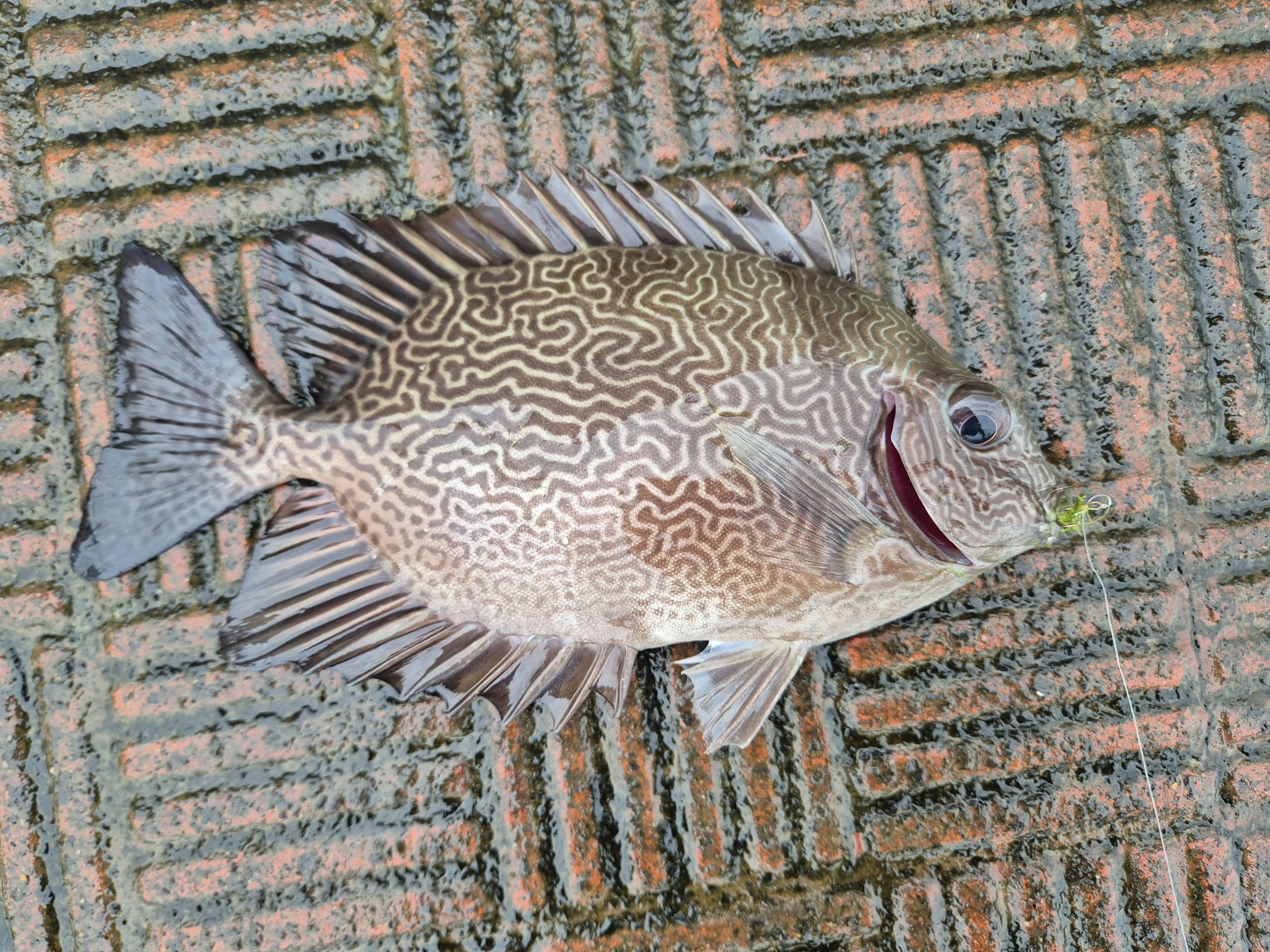
Panna Tiger Reserve Newsletter. 2022. Budhram Routia” the courageous mahout of PTR (15/02/1966 – 04/07/2022). https://www.pannatigerreserve.in/remebering%20BUDHRAM%20ROUTIA.pdf. Accessed on January 10, 2024.

Cronon, W. 1996. The trouble with wilderness: or, getting back to the wrong nature. Environmental History 1(1): 7–28. 
Flader, S. L. 1994. Thinking like a mountain: Aldo Leopold and the evolution of an ecological attitude toward deer, wolves, and forests. US: University of Wisconsin Press.
My introduction to the sea

Read story in

Feature image: A reef egret seen off the coast of Gujarat

During the COVID-19 pandemic, as life for most people shifted indoors, reportage revolved around how the rivers had cleaned themselves and wildlife were reclaiming the empty roads and highways. This supported the belief that all nature needs to heal and flourish is a bit of space, time and support. 

This became personally evident when, in the last week of 2021, I got the opportunity to travel to two marine projects that the Wildlife Trust of India (WTI) is running in Gujarat—the Coral Reef Recovery Project in Mithapur and the Whale Shark Conservation Project in Veraval. 

These visits were also special because in the last decade that I had spent working for wildlife conservation, I was fortunate to traverse a wide range of landscapes—from evergreen forests to barren deserts. For a brief duration, I even got to work and travel in alpine regions. But the sea had eluded me all this while. 

Underwater forests

The Coral Reef Recovery Project began in 2008 with the creation of an artificial reef system. It is also the only one of its kind that is managed through a public-private partnership between the Gujarat Forest Department and Tata Chemicals Limited (TCL). Coral fragments from Lakshadweep were introduced in artificial nurseries in Mithapur to support the degrading habitat. Today, these artificial reefs have helped bring back some unique marine life, including bottlenose dolphins, four species of seahorses and several nudibranchs. 

A healthy moon coral

The colours had already started changing as the train passed Jamnagar, heading towards the coast. Praveen, WTI project head at Mithapur, came to receive me at Mithapur station. The Mithapur township is majorly dependent on two things—TCL’s Tata Salt, an integral part of most Indian households, and fishing, which comprises the livelihoods of most of the locals.

Acting as nurseries for baby fishes, the local fishers understand how important coral reefs are for their livelihood. Additionally, designated no-fishing zones around the artificial reefs ensure that populations are able to recover. Thanks to this, the fish stock has increased since the project started.

My first ever scuba dive was scheduled for the next morning. I was nervous, but I had always wondered what it would be like to dive into underwater forests and swim with colourful shoals of fish. Along with Charan Kumar Paidi—field biologist and certified Dive Master—I loaded our oxygen tanks onto the boat and off we went. 

Charan Kumar Paidi collecting coral health data as part of the routine reef monitoring

As luck would have it, the water was crystal clear that day. With Charan’s guidance, I navigated around the artificial reefs, mesmerised by things that I had seen only in reports until then. While he recorded the health data of the corals, I was chasing after groupers and sturgeons! We were merely 10 feet below the surface, yet in a wholly different world. 

Home to the Vhali

About 250 kilometres from Mithapur, I arrived in Veraval—a port city famous for its fishing industry—before the sun came up. This is also part of the Indian coast with the most frequent sightings of whale sharks. Two decades ago, the whale shark—the world’s largest fish—was heavily hunted for its fins and liver oil. The year 1999 alone reported more than 600 landings of whale sharks and that was when conservationists began focussing on its protection.

WTI ran massive conservation campaigns from 2004. People eventually came to understand that this was a chosen site where whale sharks came to raise their pups, just as in traditional Indian families where daughters return to their parents’ homes with newborn babies. Thus, the whale shark, a fish that was hunted, became Vhali or “the dear one”. A scheme was put in place by the Gujarat Forest Department that reimbursed fishermen for the loss of their nets when they released whale sharks entangled in drag nets. Together with Tata Chemicals Limited, WTI was able to transform the whale shark into a symbol of pride for the port city.

A small fishing boat with a whale shark poster (“Our Vhali, our pride”) in Veraval, Gujarat

There isn’t a single fisherman who doesn’t know Farukhkha, the manager of the Gujarat Whale Shark Recovery Project and a sociologist by training. On my first day in Veraval, we were at the dockyards by sunrise, where I witnessed firsthand how the port operated. I realised that the place never slept. Fishermen spent entire nights out at sea and when they returned, the harvest went through the process of unloading, auctioning, processing and more. Kids played in the surf, while women were busy stitching nets together. These were people who depended on the fish they caught for their livelihood. Yet, they didn’t think twice before slashing their nets to release entangled Vhali back into the waters. 

Around 11 AM, Farukhkha received a call. A whale shark had been accidentally caught three nautical miles offshore. When we finally arrived at the spot by boat half an hour later, the fishermen were already cutting off the nets and for the next five minutes, all eyes were on the massive blue polka-dotted fish. To a background score of claps and cheers, the fish soon glided its way back to the depths of the ocean. I was ecstatic—not many people get to see a whale shark and I had seen one on my first day!

A whale shark caught in a trawler net off the coast of Veraval

Over the next couple of days that I spent in Veraval, I learnt more about the relationship of the locals with their Vhali. The conservation campaigns had resulted in massive participation across demographics, from corporates to local businesses and school kids to the elderly, all part of the “Friends of Vhali” group on a mission to protect their daughter.

Change is possible if we can fight for it together and when we stop thinking of nature in terms of resources. Wildlife conservation is more than spending a night in the jungle or seeing a tiger in a safari. It’s about people, beliefs and empathy.

From children to the elderly, almost everyone is part of the “Friends of Vhali” group in Veraval

TRACE / OFF TRACK

a bold blue dragonfly hooks my

eyes follow dark veins on pellucid 

wings lift its flight upward and 

_______________________right, replaced by clothes on a line

drying with their shoulders pinned

coloured distraction swaying in the sky 

where clouds puffy and white 

_______________________a  t
__________________f l  o   


the sliver down to my window again

it hovers for a moment long enough to 

linger, now it leaves to find 

f  e  a  t  h  e  r  s

a brisk all-black crow, its silken 

shine blurry through thick yellow stains 

fissured dust on forgotten glass

fault 

______lines 

____________lead 

__________________down the wall 

to my feet tucked beneath, in,

__________ __________ __________ __________ out of sight.

Image: Wikimedia Commons